
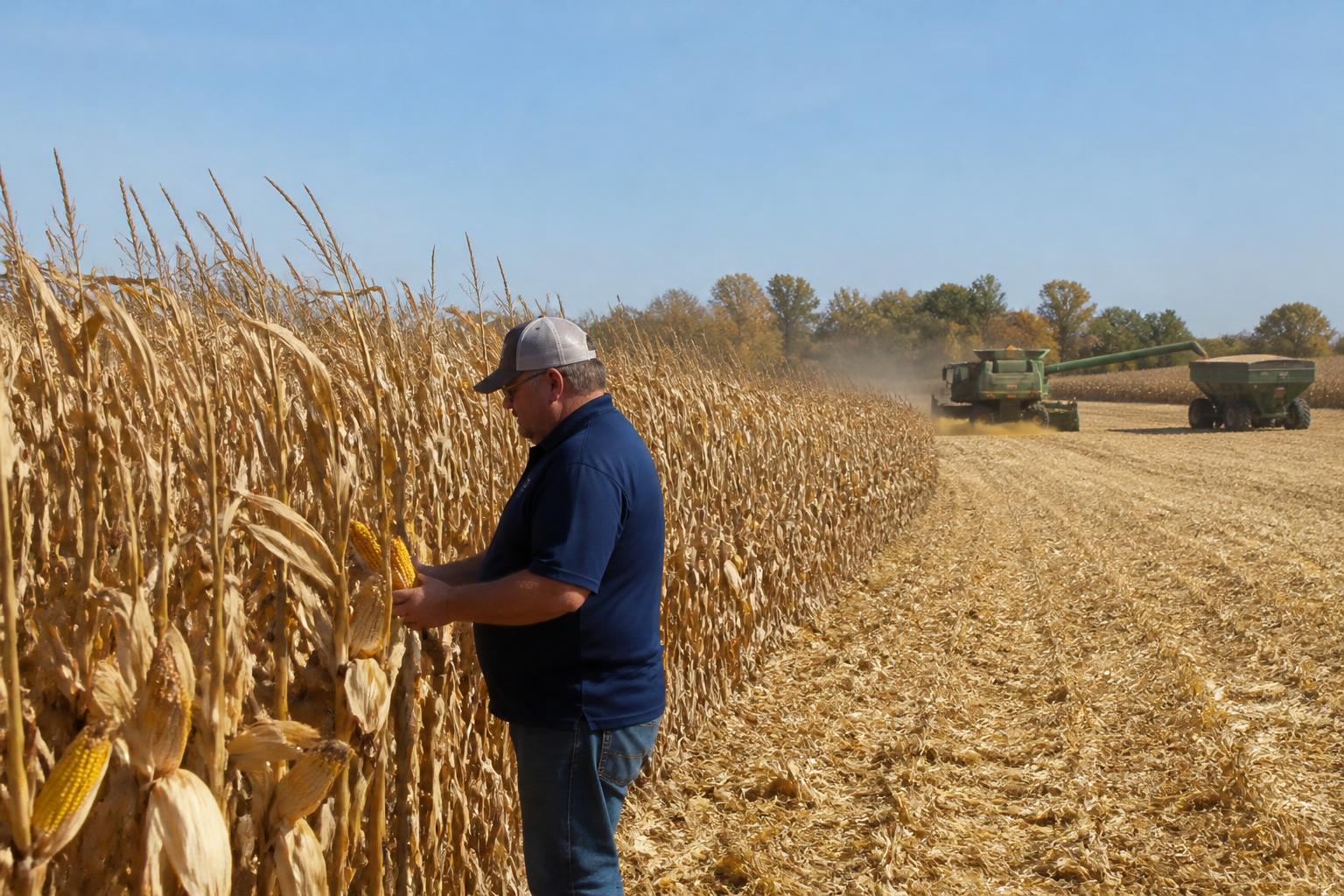
As the fall harvest gains momentum across Nebraska, producers are balancing the final push of the season with shifting market signals. For many in the state, this time of year centers on managing crop flow to elevators and preparing for post-harvest storage, with logistical efficiency remaining a top priority for local grain handlers and trucking fleets.
Biofuel Momentum and Market Shifts
Nebraska remains at the center of the conversation regarding E15 and broader biofuel policy. Recent discussions highlight a push for increased market access for ethanol, which provides a potential long-term boost for corn demand. Simultaneously, innovation in the state continues, with new initiatives in carbon removal credits at local ethanol plants aiming to create additional value for regional producers. These developments arrive as farmers weigh their marketing strategies against global grain price fluctuations.
Operational Pressures and Regional Logistics
Beyond the field, the industry faces ongoing challenges related to input costs and the complexities of regional transportation. For those managing grain movement, rail competition and potential rate adjustments continue to draw scrutiny, particularly during the high-demand window of the harvest season. Ensuring access to competitive delivery points—such as checking updated sorghum delivery maps or monitoring local elevator capacity—can be critical for maintaining margins during this period of high seasonal volatility.
Technology Adoption in the Field
The recent introduction of specialized agricultural technology pavilions has offered a window into the tools that may reshape future operations, from precision application equipment to improved irrigation hardware. As the season winds down, many operators are turning their attention toward evaluating equipment performance, noting that small adjustments to components like pivot nozzles can have a measurable impact on long-term efficiency and input management.
What it means for the market
For the Nebraska agricultural sector, this fall is defined by a blend of persistent cost pressures and strategic opportunities in emerging biofuel and carbon markets. Producers who maintain tight control over delivery logistics and monitor infrastructure developments will likely be better positioned to navigate the current season and prepare for the upcoming year.
Comments
No comments yet - be the first to share your take.