
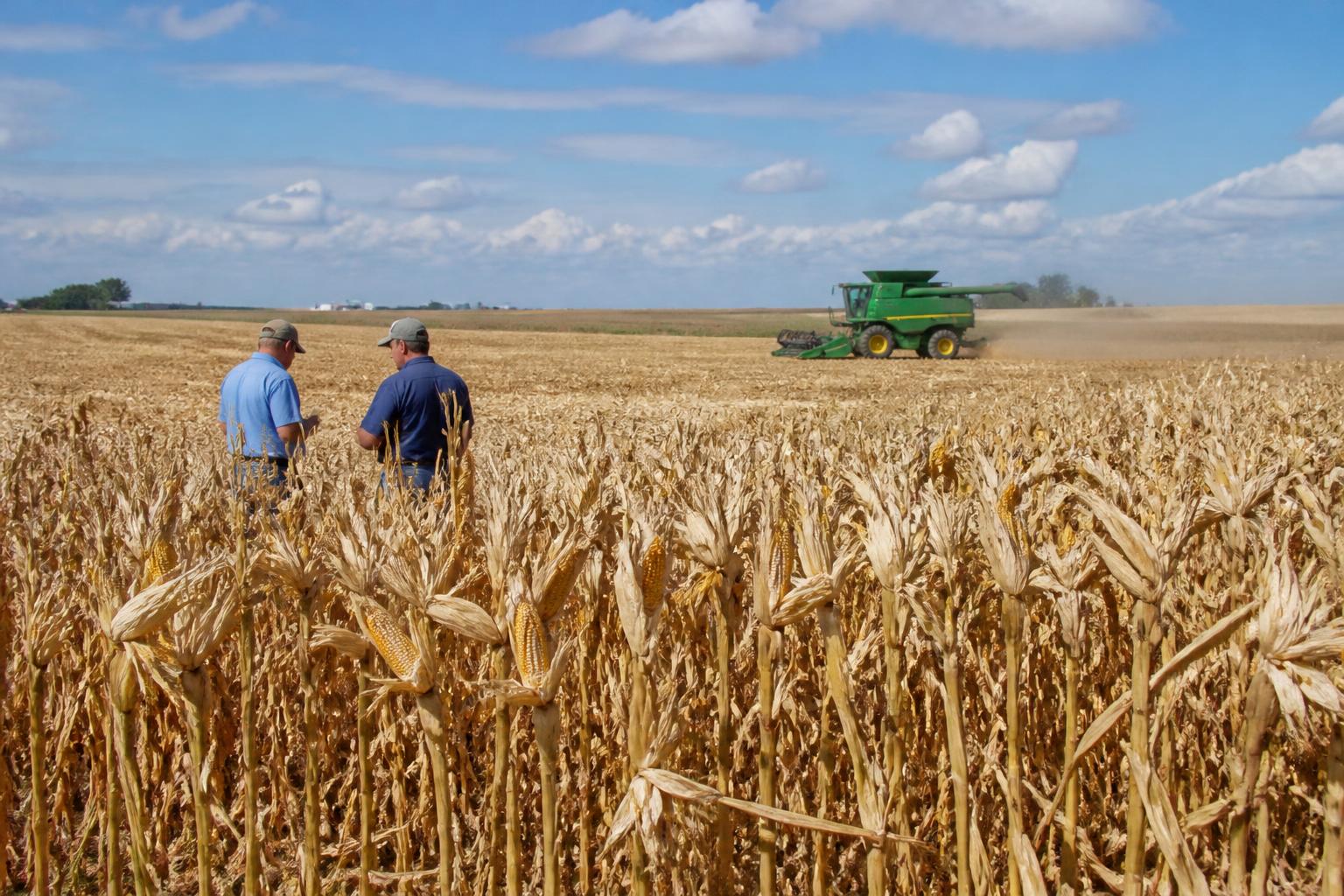
The Nebraska harvest is currently in full swing, with growers across the state focused on moving grain from the field to storage or local delivery points. For many producers, this period highlights the critical link between seasonal field operations and the broader logistics infrastructure that keeps Nebraska agriculture connected to both domestic and export markets. Efficiently managing the flow of commodities during peak periods often requires careful coordination between on-farm storage, local elevators, and regional transport networks.
As operations continue, industry stakeholders remain attentive to factors that can influence the bottom line. Whether it is addressing rail and export logistics during the rush of the season or monitoring broader trends in input costs and tax policy, maintaining stability is a priority for farm and ranch families across the state. These economic pressures are consistently weighed against the need to maintain high-quality production, a standard often recognized by international buyers who rely on the consistency of the U.S. corn crop.
Infrastructure and Operational Resilience
Nebraska's status as a key agricultural hub means that the integrity of our transit and processing infrastructure remains a top priority. Recent state-level initiatives aimed at protecting agricultural and critical infrastructure reflect the importance of securing the supply chain. Ensuring that roads, storage facilities, and processing sites remain operational and efficient is essential for maintaining the competitive edge of Nebraska commodities.
For those managing cattle operations, market access remains a dynamic landscape. The development of new beef processing capacity in western Nebraska continues to be a point of interest, offering potential for improved local marketing opportunities and economic growth within the region. These developments underscore the state's ongoing commitment to strengthening its logistics framework to support both crop and livestock producers.
What it means for the market
Producers and agribusinesses should continue to prioritize operational safety and proactive logistics planning as the season progresses. With export demand for high-quality grains remaining steady and ongoing discussions regarding the protection of producer profitability, being prepared for potential bottlenecks or policy-driven cost shifts is wise. Strengthening local partnerships, from the field to the grain bin and beyond, will remain the best defense against market volatility this fall.
Comments
No comments yet - be the first to share your take.