
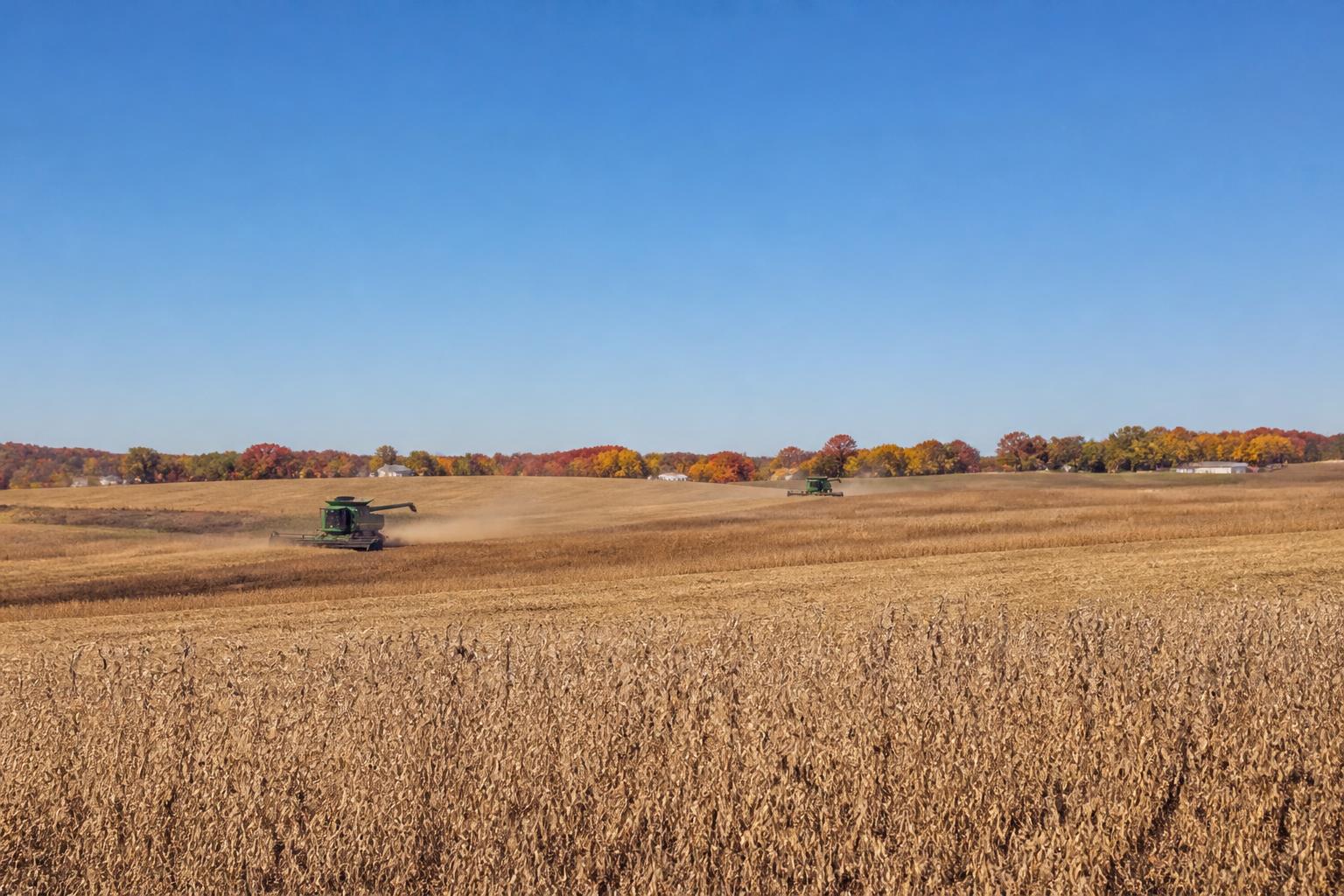
With the majority of corn and soybean acres across Nebraska now cleared, the focus has shifted toward final harvest efforts and storage logistics. Producers in key agricultural hubs are navigating a landscape defined by both high activity levels and localized infrastructure strain. From adjusting storage capacity to optimizing transport routes, the pressure to maintain efficient harvest logistics remains a primary concern as the season winds down.
Infrastructure and Operational Hurdles
Recent seasonal volatility has left many producers assessing damage to grain storage facilities and equipment. Ensuring that harvested commodities are handled safely and efficiently is more critical than ever. For those managing complex transport and storage workflows, attention to detail in site safety and equipment maintenance has become a daily necessity to prevent unnecessary downtime.
Managing Margins Amid Rising Costs
Beyond the field, the bottom line is being heavily influenced by operational expenditures. Rising costs for energy, particularly diesel, are squeezing margins for both grain and livestock operations. Producers are keeping a close eye on policy updates, including executive measures regarding fuel usage, as they seek to navigate these economic pressures while simultaneously managing late-season input budgets.
As regional markets react to ongoing trade discussions, farmers are prioritizing the protection of their yield value. Effectively communicating with local elevators and transport partners is becoming a critical tool for those looking to buffer against the broader market uncertainty that frequently accompanies the post-harvest phase.
What it means for the market
The convergence of advanced harvest progress, localized infrastructure repair needs, and heightened fuel sensitivities suggests that Nebraska's agribusiness sector will remain in a reactive state through the remainder of the fall. Agribusinesses should prepare for sustained demand for logistics support and continue to monitor how potential shifts in trade policy and energy costs might affect grain basis levels as the regional supply chain stabilizes.
Comments
No comments yet - be the first to share your take.