
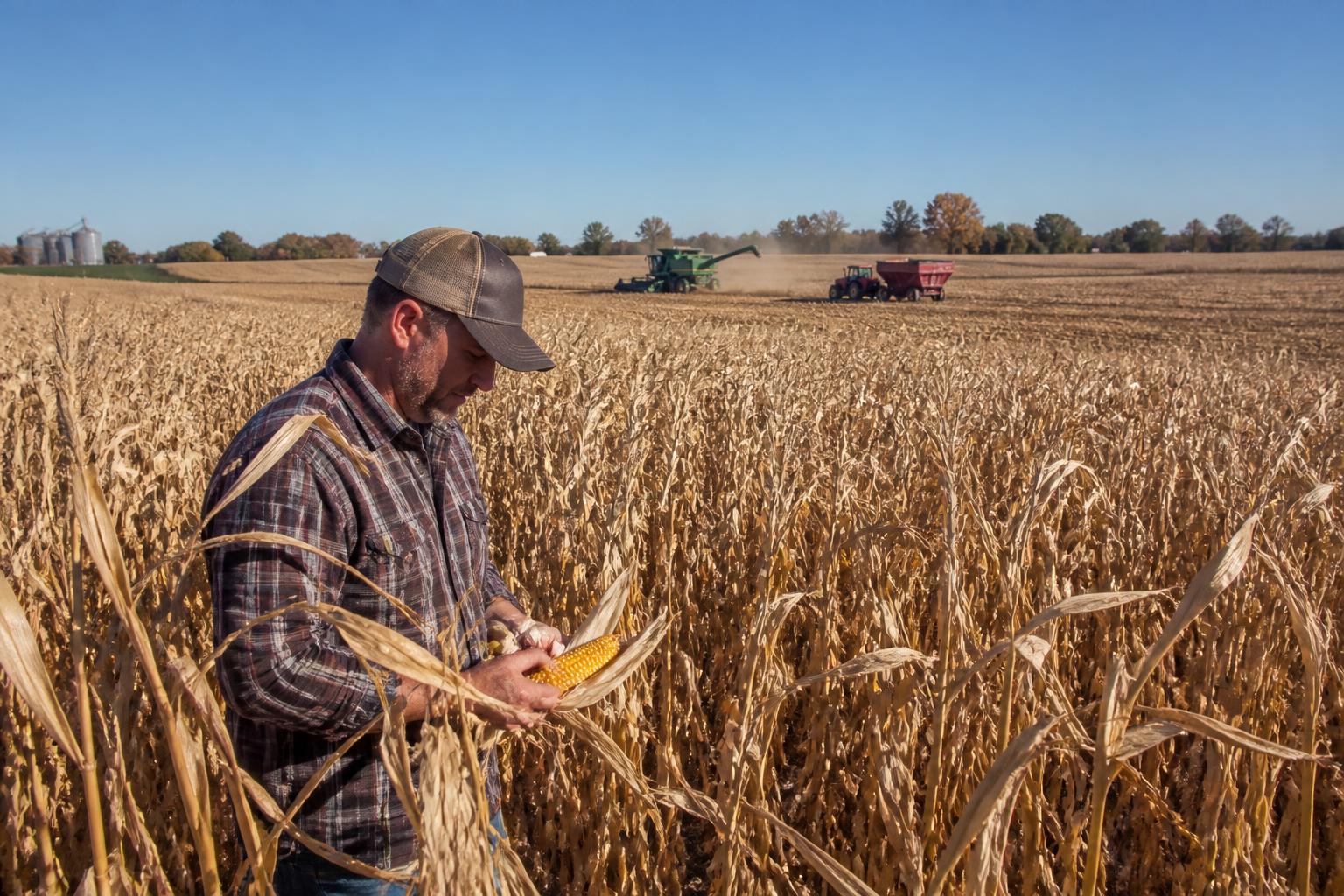
October in Iowa has finally brought the dry weather necessary to accelerate harvest operations. After a season marked by delays, producers across the state are seeing combines moving steadily through fields. While the pace has picked up, the calendar remains a factor, and the urgency to clear fields is becoming a priority for many operations, especially as soil conditions improve following recent moisture challenges. For insights on managing the flow of product during this peak, producers may want to review current logistics challenges in Iowa.
The Shrinking Marketing Window
As the bins begin to fill, market analysts and local farmers alike are pointing toward a tightening window for grain marketing. With harvest progress still playing catch-up to historical averages, the ability to capitalize on specific market movements is becoming more constrained. Producers are currently tasked with balancing the need to move product off the field while keeping a close eye on price volatility. Efficient management of these windows is crucial; refer to previous guidance on October market flow to optimize your strategy.
Operational Costs and Economic Realities
The push to finish harvest comes against a backdrop of fluctuating input costs. Transportation and fuel expenses remain a central component of the farm ledger this fall. With diesel prices impacting the cost of moving grain from field to elevator, many operations are tightening their margins. Furthermore, as producers look toward the upcoming production cycle, the ongoing focus on managing field inputs—including addressing lingering issues such as resistant weeds during the tail-end of harvest—remains a necessary part of long-term planning.
What it means for the market
For Iowa agribusinesses and farmers, the current market environment requires a disciplined approach to both logistics and sales. As we progress through October, the focus must remain on maintaining the current harvest momentum while securing the best possible value for this year's crop despite rising fuel and operational expenses. Success this season will likely depend on how effectively producers can coordinate grain movement with the narrowing windows of opportunity in a volatile market.
Comments
No comments yet - be the first to share your take.