
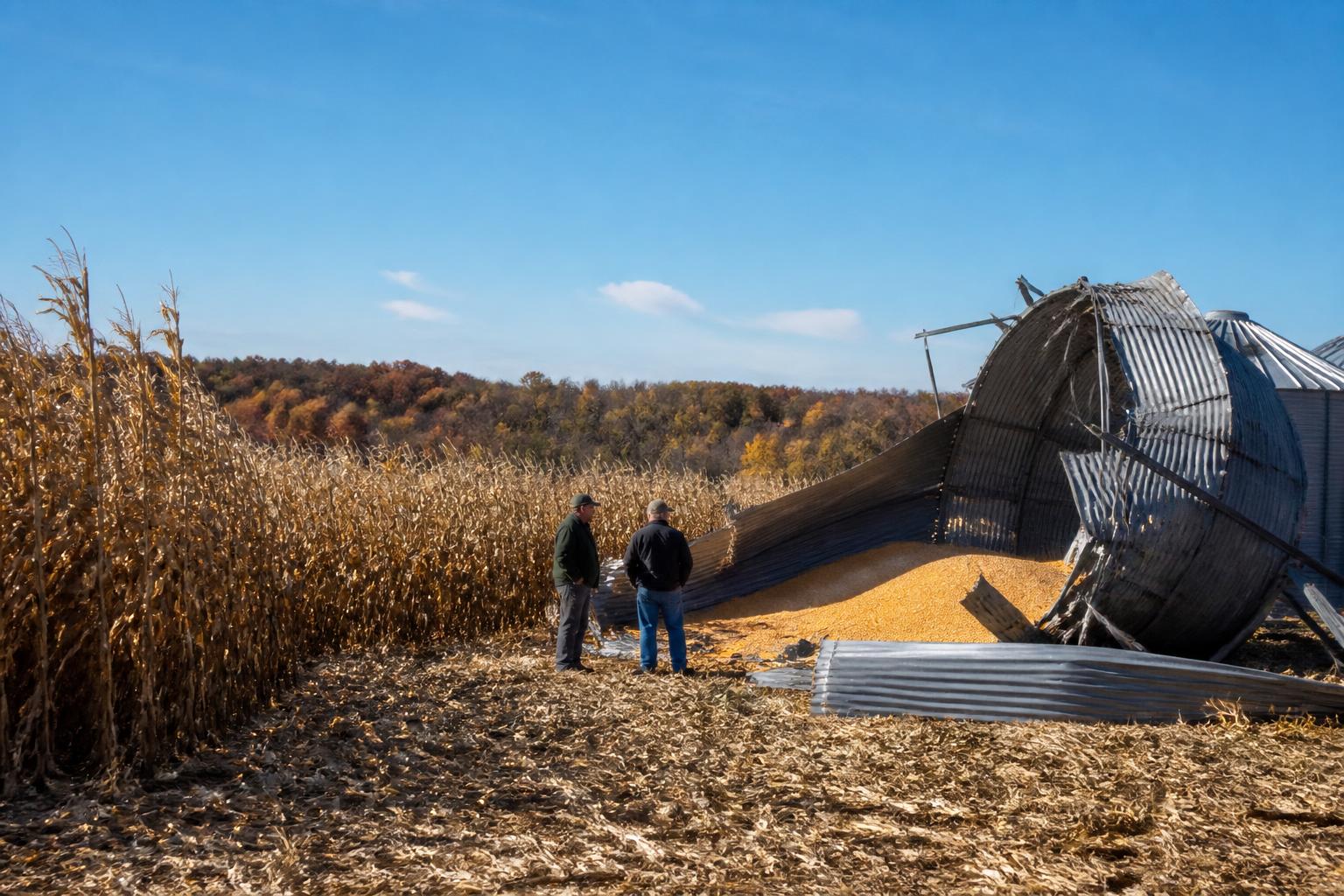
With Iowa's corn and soybean harvest progressing through October, the focus has shifted from the field to the logistics chain. For many operators, maintaining the flow of grain from the combine to the bin or local elevator is essential for capitalizing on seasonal price windows. As local storage sites reach capacity, efficient transport management is becoming the primary lever for maintaining margins in a tightening market.
Efficiency in this stage of the season is often challenged by variables beyond a producer's control. Managing transport bottlenecks requires a proactive approach, especially as infrastructure in some regions experiences increased strain from peak-season traffic. Coordination between local elevators and on-farm storage solutions can help prevent unnecessary delays, while close monitoring of regional grain handling capacity may assist in avoiding the most congested transit routes.
Optimizing Flow in a Volatile Market
Market dynamics are currently influenced by a variety of factors, including export demand for corn and the ongoing role of the domestic ethanol sector. For those moving grain, the ability to respond to changing basis levels is heavily dependent on having reliable, cost-effective shipping options. Recent trends suggest that prioritizing long-term storage or strategic off-loading can mitigate risks associated with harvest-time price dips.
Addressing Infrastructure and Security
As traffic volume increases across Iowa's rural road network, producers are reminded of the importance of maintaining clear communication with carriers. Furthermore, with the uptick in logistics activity, staying updated on road safety and equipment security remains a priority. Ensuring that transport partners are vetted and informed about site-specific entry and exit protocols can further streamline the process and minimize the risk of costly delays or cargo loss.
What it means for the market
The current logistical landscape in Iowa highlights a clear need for agility. As the season progresses, growers who successfully integrate robust storage plans with flexible transport strategies are better positioned to weather market volatility and field-to-market constraints. Staying ahead of the regional surge in traffic while keeping a pulse on local basis levels will remain the defining factors for a successful end to the harvest period.
Comments
No comments yet - be the first to share your take.