
As summer settles across New England, Connecticut agricultural producers are managing a complex mix of shifting climate patterns, emerging pest pressures, and unresolved policy debates. From the historic fields of the Connecticut River Valley to small family operations along the coast, local growers are adjusting their pest management and biosecurity strategies to protect high-value specialty crops during the peak growing season.
While some seasonal harvests have shown remarkable resilience, long-term planning remains essential. With local growers facing increasingly volatile weather cycles, understanding how to utilize crop and farm protection strategies is vital as federal safety nets remain caught in bureaucratic limbo.
Climate Shifts and Advanced Pest Defenses
According to recent reports from the USDA, southern plant species are increasingly likely to thrive in Connecticut as the region continues to experience warmer average temperatures. While this warming trend may eventually expand planting options for local operations, it also heightens the risk of southern pests and diseases migrating northward into New England fields.
To combat these evolving biological pressures, researchers and growers are exploring novel plant protection methods. Technologies such as nanoparticles and targeted antibiotics are emerging as new tools to address persistent plant health issues. On the regulatory front, while new insecticide restrictions are set to change how residential lawns are treated across the state, these specific rules will not change how Connecticut commercial farmers conduct their day-to-day business, allowing agricultural pest management protocols to remain steady for now.
Federal Relief Delays and On-the-Ground Resilience
The financial side of crop protection is currently clouded by political friction. Connecticut farmers seeking disaster relief are facing prolonged waits due to an ongoing disagreement between congressional Democrats and the USDA. This delay leaves many local operations exposed to cash flow pressures after previous seasons of erratic weather, forcing growers to rely heavily on precise input management and local marketing to maintain profitability.
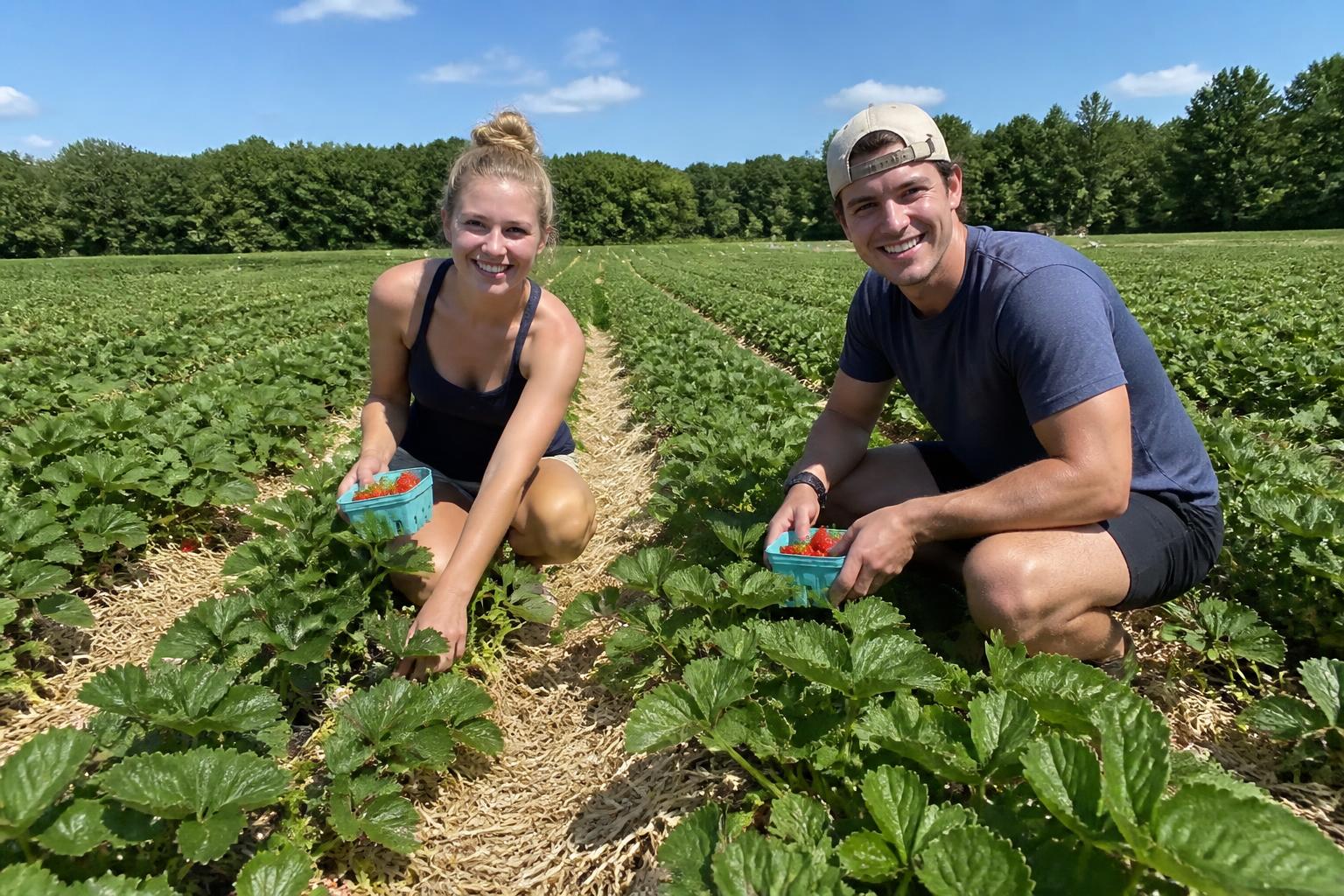
Despite these policy bottlenecks, some sectors are reporting outstanding summer performance. For instance, Connecticut strawberry crops have rebounded exceptionally well, with growers describing this summer's yield as some of the best they have seen in years, following a remarkably harsh winter. For family operations striving to keep historic acreage viable, such as those in Shelton and other parts of Fairfield County, navigating present challenges and future opportunities requires a combination of high-tech crop defenses and robust local marketing.
Biosecurity and Seed Warnings
In addition to weather and climate management, biosecurity remains a top priority for state agricultural authorities. State officials have recently issued warnings urging residents and growers to immediately discard unsolicited packages of seeds received by mail. Preventing the introduction of non-native, potentially invasive plant species is a critical, low-cost defensive measure that protects the state's delicate agricultural ecosystems from contamination.
What it means for the market
For Connecticut agribusinesses, grain handlers, and specialty crop growers, the current summer market emphasizes self-reliance. While advanced scientific defenses like nanoparticles offer promising future protection, the immediate focus must remain on rigid biosecurity, careful monitoring of migrating southern pests, and maximizing local direct-to-consumer sales to offset the lack of timely federal disaster relief payouts.
Comments
No comments yet — be the first to share your take.