
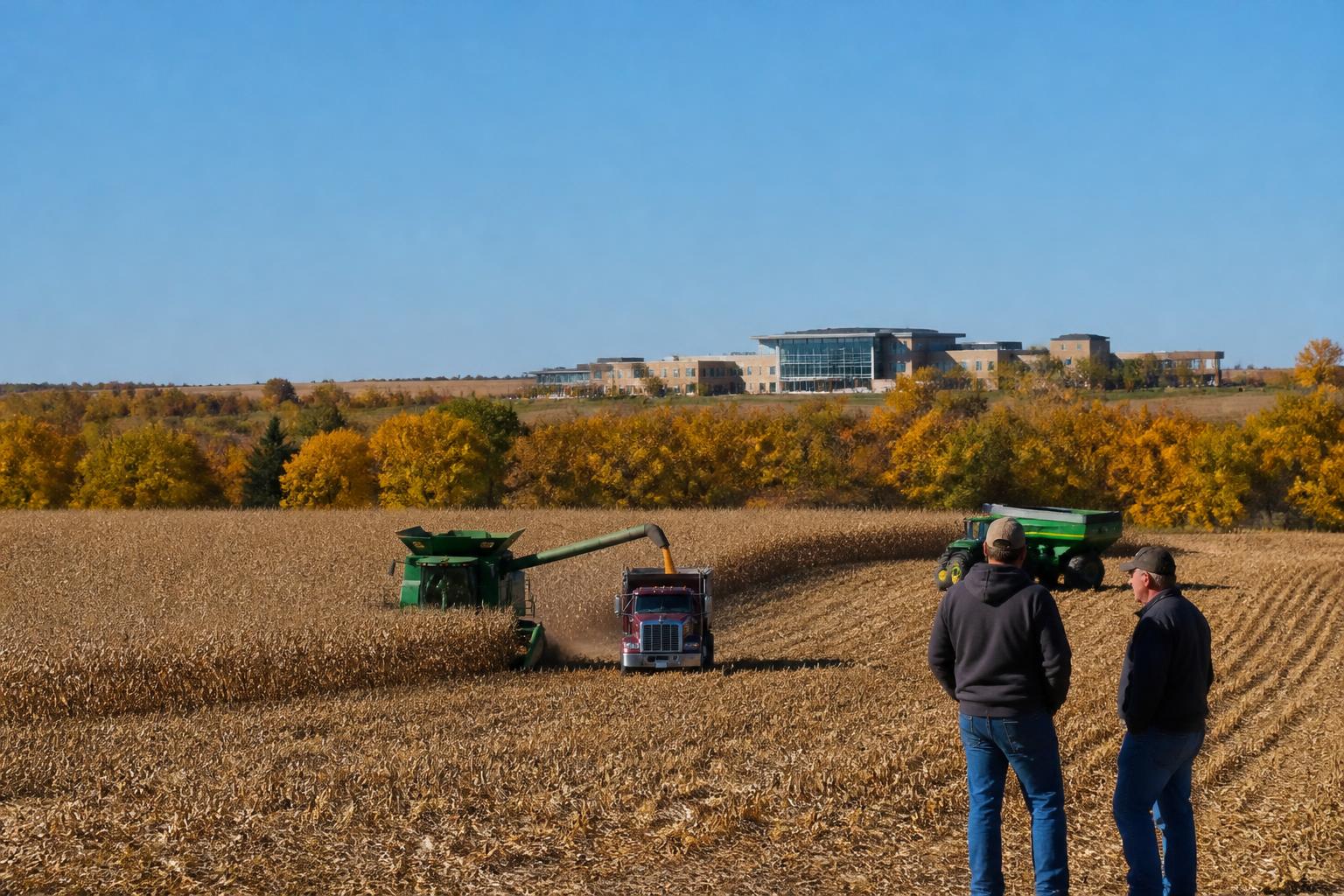
As North Dakota farmers finalize their fall activities, the agricultural landscape remains a mix of infrastructure upgrades and shifting regulatory requirements. With harvest logistics in high gear across the state, the focus has increasingly turned toward the reliability of the supply chain and the long-term support for crop science.
Recent advancements in research capabilities, such as the opening of the Bolley Agricultural Lab, underscore a regional commitment to sustained innovation. For producers managing North Dakota crop protection strategy, these facilities serve as essential hubs for addressing the technical challenges inherent in local soil and climate conditions. This ongoing investment in research often goes hand-in-hand with legislative developments that impact how inputs are utilized across the state.
Regulatory and Labor Considerations
North Dakota has recently seen a heightened focus on state-level pesticide protection laws. As these regulations evolve, growers are encouraged to stay informed on compliance requirements that could influence their input management decisions. Alongside these regulatory shifts, many operations continue to navigate labor requirements, with an increasing reliance on a diverse workforce to meet the seasonal demands of the state's expansive agricultural sector.
Infrastructure and Transport Stability
Transportation remains a critical pillar for the state's export-oriented grain economy. Significant federal funding directed toward rail infrastructure upgrades across North Dakota aims to bolster the capacity of the state’s elevator networks to move commodities more efficiently. Whether trucking grain through regional corridors or utilizing rail hubs for long-haul transit, these improvements are designed to mitigate the bottlenecks that often occur during the busy harvest months.
What it means for the market
The convergence of infrastructure funding and new regulatory frameworks suggests a period of transition for North Dakota agribusiness. Producers and grain handlers should prioritize agility in their logistics planning, keeping a close eye on both rail capacity and the changing legal landscape surrounding crop protection. By leveraging improved local research and infrastructure, operators may find more robust pathways to maintain profitability in an increasingly complex market environment.
Comments
No comments yet - be the first to share your take.