
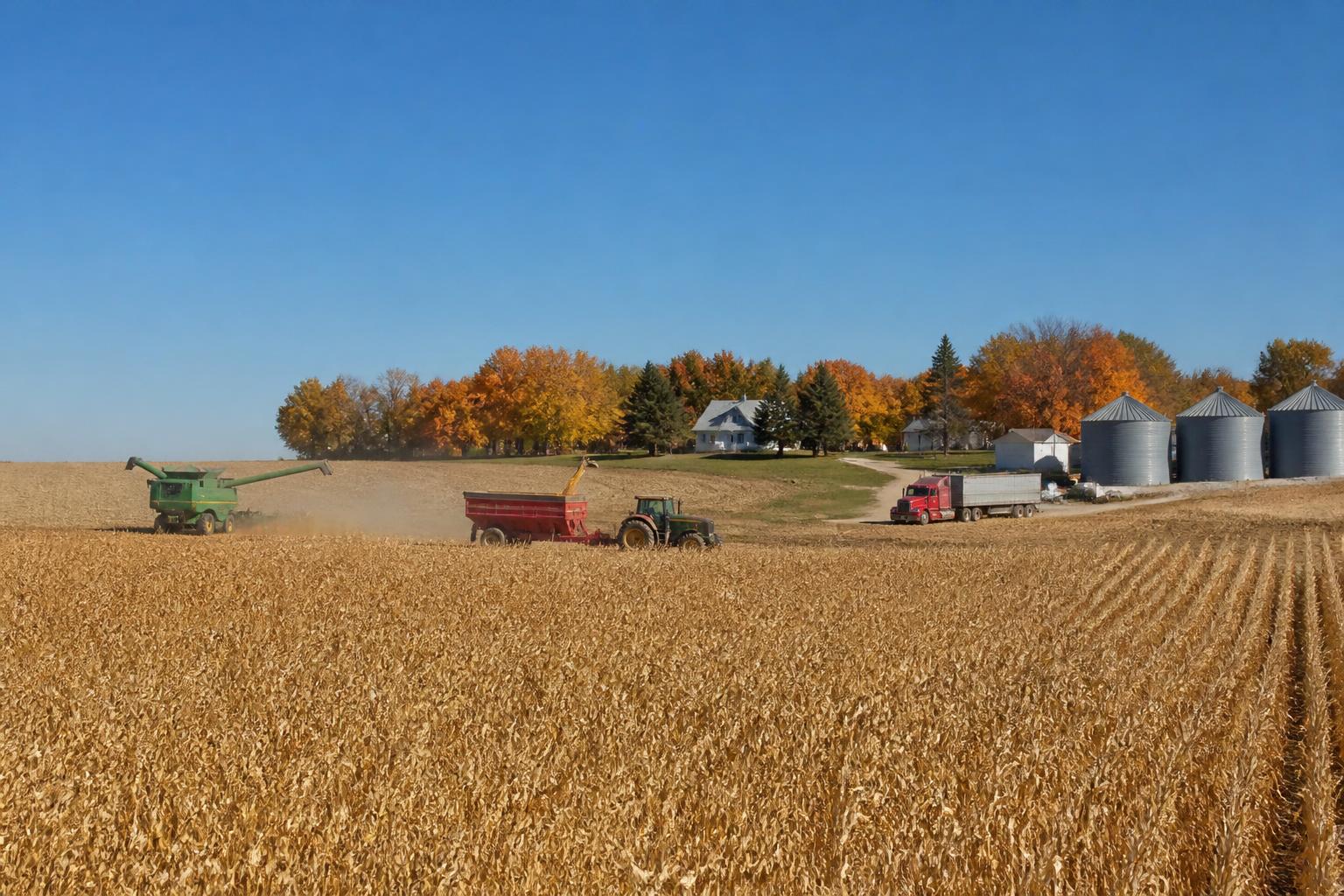
As harvest activity progresses across North Dakota, farmers are balancing field operations with an evolving regulatory and input management environment. Recent legislative action has drawn attention to the future of crop protection, specifically addressing liability concerns tied to widely used herbicide products. For local growers and agronomists, staying informed on these shifts is essential to long-term planning and managing potential supply chain or operational risks.
Beyond legislative changes, the focus remains on optimizing yield potential through targeted input strategies. Producers are evaluating their post-harvest requirements, with many looking at how new technology and biological products might offer more efficiency in coming seasons. Integrating these tools effectively can be a key differentiator in maintaining margins as regional agricultural infrastructure and market dynamics continue to mature.
Managing Input Efficiency in the Current Cycle
For many across the state, the current window is an ideal time to assess the performance of the past season and adjust procurement strategies. With shifting personnel and new input solutions entering the market, producers in regions from the Red River Valley to the western plains are actively comparing input costs against localized performance data. Ensuring that every acre receives the necessary protection without over-extending capital remains a primary goal for the season.
Legislative Impacts on Local Agribusiness
The recent state-level legislation addressing liability for crop protection manufacturers is a significant development for the North Dakota agricultural sector. By creating a specific legal framework regarding failure-to-warn claims, the law aims to provide more certainty for the distribution and use of established herbicide chemistries. This move may influence how local retailers and cooperatives approach their inventory and advisory services, particularly as they guide farmers through weed management choices for the next planting cycle.
What it means for the market
For the North Dakota producer, the market environment is currently defined by a need for both stability and adaptability. While legislative news provides a new baseline for input accessibility, the immediate focus should remain on sound agronomic practices and cost-effective management. Prioritizing long-term soil health and informed input selection will continue to be the best defense against market volatility and operational uncertainty heading into the winter months.
Comments
No comments yet - be the first to share your take.