
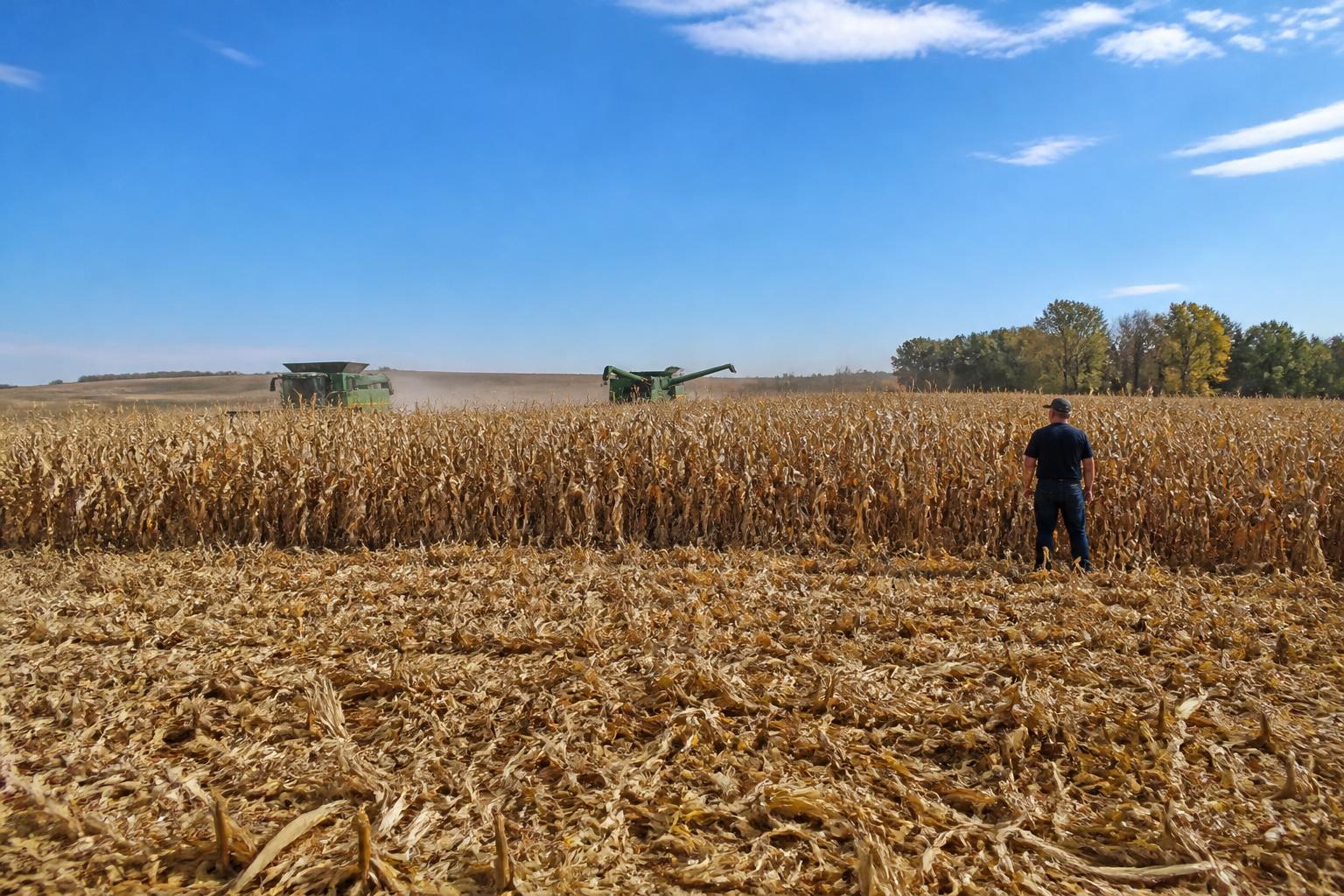
Assessing Crop Variability Across the Dakotas
As harvest progress continues across North Dakota, farmers are observing significant crop variability in fields. Localized weather patterns throughout the season have led to uneven development, prompting many producers to re-evaluate their management practices for the next cycle. This variability makes it increasingly important to monitor field-specific data when finalizing decisions for late-season field maintenance and long-term soil health programs.
Navigating Market Pressures on Inputs
While logistics and harvest operations occupy the current schedule, producers are also looking toward broader economic trends affecting their crop protection and input strategies. Industry analysis suggests that higher fertilizer and chemical pricing may persist due to complex global supply chain factors. Understanding how these baseline costs influence your bottom line is critical for growers looking to maintain profitability in an environment where input volatility is becoming more common.
Refining Protection Strategies
In regions experiencing inconsistent yields, reviewing your current crop protection landscape can help mitigate risks for the next season. Efficient resource allocation remains a top priority for North Dakota agribusinesses. Evaluating which products provide the most consistent ROI—especially when fields have shown varying responses to treatment this year—is a practical step for regional farm managers during this period of transition.
Key Takeaways for Producers
- Prioritize field-level data to account for observed growth variability.
- Budget for persistent input price premiums as part of your upcoming planning cycle.
- Analyze performance metrics from the current season to optimize future chemical and nutrient applications.
What it means for the market: The prevailing uncertainty in both crop performance and input costs requires a disciplined, data-first approach. Producers who successfully integrate current seasonal performance reviews into their long-term supply planning are better positioned to weather the sustained market pressures expected in the coming year.
Comments
No comments yet - be the first to share your take.