
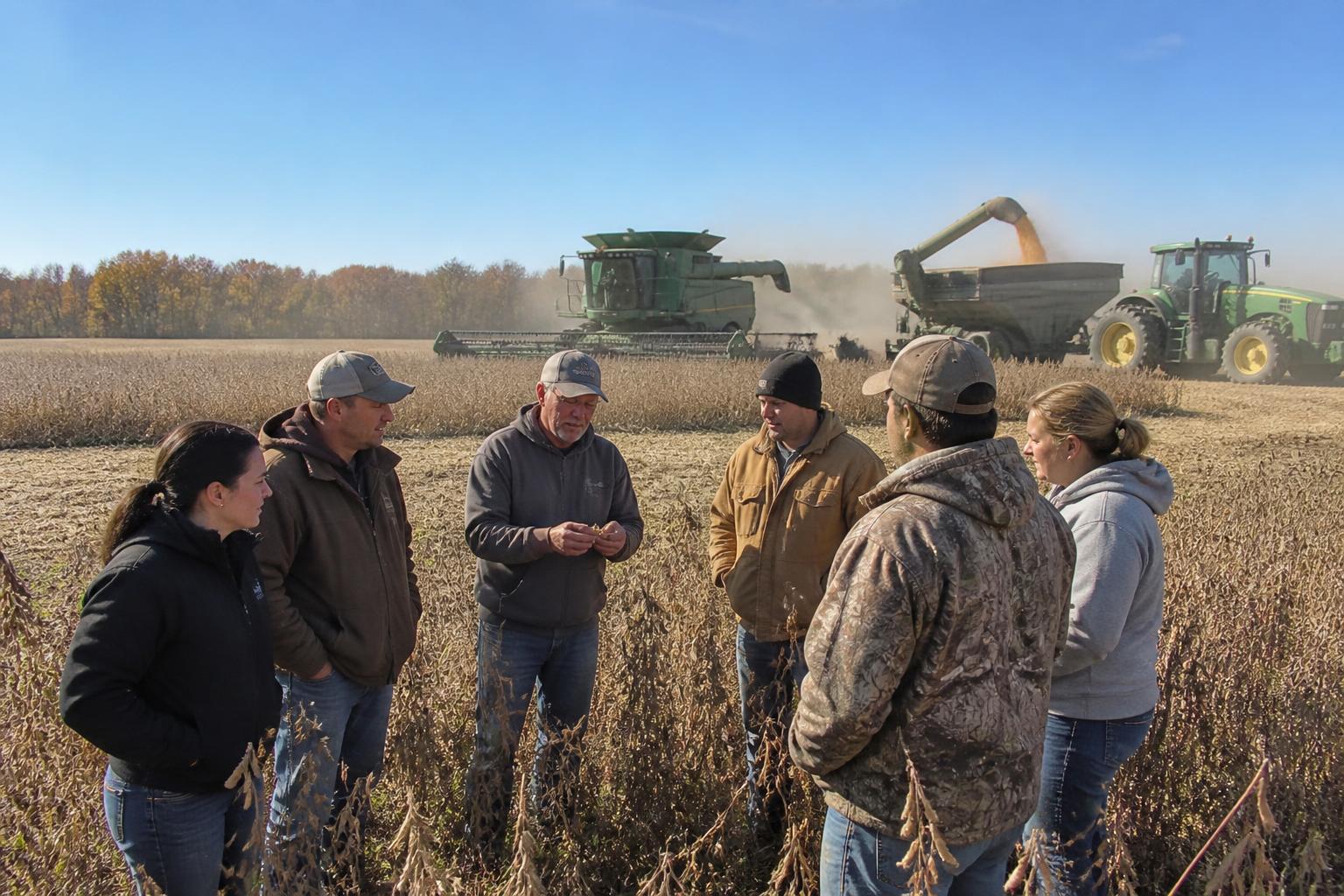
For Illinois farmers, the current fall harvest season is defined by a persistent disconnect between strong yields and depressed market prices. While field conditions have largely supported steady progress across the state, the financial reality of the 2026 marketing year is forcing many operations to re-evaluate their grain storage and sales strategies. With bin space at a premium, the decision to sell at harvest or hold for potential price recovery has become a primary stress point for local agribusinesses.
Producers navigating this environment are increasingly looking toward shifting transportation costs and the regional logistics challenges inherent in moving a large crop. As grain flows from local elevators toward major hubs, understanding the impact of transport variability on net returns is more critical than ever.
Managing On-Farm Grain Assets
In a low-price cycle, the cost-to-carry becomes a dominant factor in farm profitability. Many Illinois operators are closely monitoring their storage capacity and evaluating whether on-farm drying and preservation strategies can offer a buffer against immediate price drops. The focus has shifted from maximizing volume to optimizing the timing of sales, often requiring producers to balance cash flow needs against the hope for market improvements later in the winter or spring.
Furthermore, managing these assets effectively often involves staying updated on regional developments, such as the pressures and logistical hurdles that emerge during the peak of the fall rush. Proactive management of field-to-bin and bin-to-elevator logistics can help mitigate some of the margin compression felt at the point of sale.
Market Outlook and Regional Support
The agricultural landscape in Illinois remains anchored by a strong commitment to sustainable production and international export ties. As farmers manage their current inventory, industry efforts to maintain and expand market access are ongoing. While global supply dynamics and external factors continue to influence corn and soybean volatility, the focus for the individual operator remains on local efficiency.
What it means for the market: For grain handlers, elevators, and farmers, the remainder of October is likely to remain high-paced. Expect basis levels to fluctuate as storage fills and the pressure to move grain intensifies. Success this season will likely rely on disciplined marketing and the ability to navigate the logistical complexities that often accompany a high-yielding, low-price harvest environment.
Comments
No comments yet - be the first to share your take.