
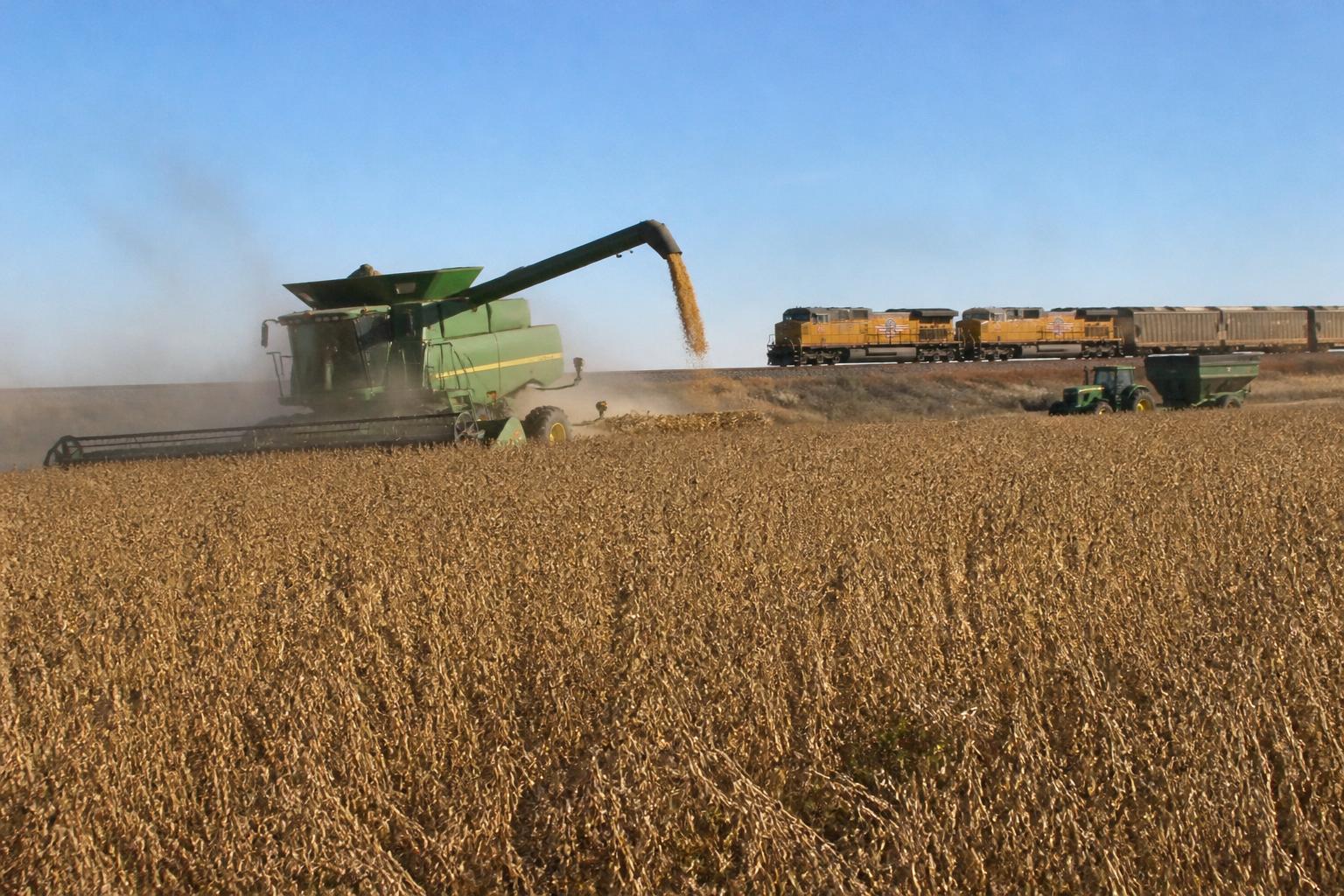
Expanding Rail Infrastructure in the Dakotas
As South Dakota producers progress through the fall harvest, logistical infrastructure remains a central focus for regional agribusinesses. Recent developments include the introduction of new direct rail services, such as Union Pacific’s GoTrain initiative, which aims to improve connectivity for South Dakota farmers. For grain handlers and producers, having additional rail options can be a critical factor in managing fall logistical demands and maintaining efficient movement of commodities from elevators to major markets.
Navigating Market Pressure and Seasonal Challenges
While infrastructure improvements offer long-term efficiency, the current market climate remains influenced by broader economic factors. Soybean oil futures have experienced volatility recently, driven by market uncertainty surrounding EPA RIN reallocation and the typical supply pressure that accompanies harvest season. For many South Dakota operations, managing the flow of product during this peak window is vital, especially as regional soil moisture concerns from the spring and summer cycles have continued to shape the overall production outlook.
Strategizing for the Season Ahead
The combination of localized rail expansion and national market fluctuations presents a dynamic landscape for local stakeholders. Elevators and producers may find that regional rail competition helps mitigate some of the high-demand pressures typically seen on road networks during the autumn months. As the season matures, maintaining a focus on storage and transport flexibility will be essential for navigating both potential basis fluctuations and the complexities of current commodity price movements.
What it means for the market
For South Dakota agribusinesses, the emergence of more direct rail connectivity is a positive step toward reducing reliance on traditional transit bottlenecks. While the immediate influence of global market shifts and regulatory uncertainty in the biofuel sector persists, securing reliable logistical routes now can help protect producer margins and ensure that grain moves effectively despite broader market volatility.
Comments
No comments yet - be the first to share your take.