
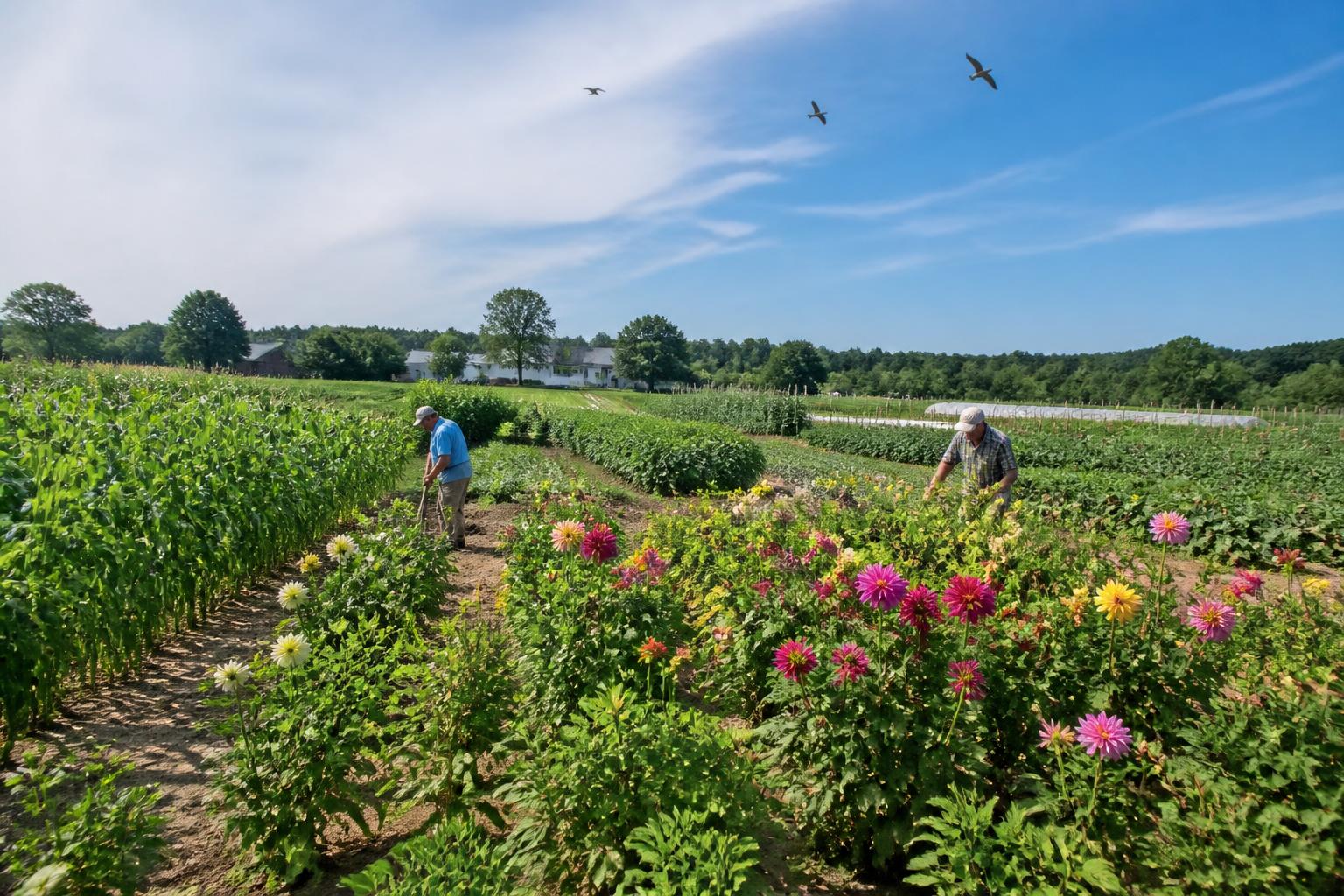
As summer settles across Rhode Island, agricultural producers and land managers are observing a noticeable shift in regional pest dynamics. Steady seasonal rainfall has played a vital role in restoring forest health and keeping voracious caterpillar populations in check, providing some welcome relief to the state's woodlands and nearby specialty crop farms. However, this damp weather also presents a dual-edged sword for crop protection and soil management.
While the moisture helps suppress certain leaf-eating pests, Rhode Island growers must remain vigilant against new biological threats. The recent discovery of invasive, toxic hammerhead worms in the state has raised concerns among nurseries, sod farms, and local growers who rely on healthy, active soil ecosystems to sustain their crops through the peak summer season.
Rain-Induced Relief for Leaf-Eating Pests
In recent years, outbreaks of hungry caterpillars have threatened Rhode Island's deciduous trees and adjacent fruit and vegetable crops. This summer, however, steady and consistent rainfall has kept these pests from reaching crisis levels. The wet conditions foster natural fungal and viral pathogens that target caterpillar populations, effectively dampening their growth cycles before they can defoliate large swaths of forest canopy.
For local orchardists and diversified vegetable growers, this natural suppression reduces the immediate need for intensive chemical interventions on leafy canopies. This moisture-driven relief comes at a crucial time as growers balance modern crop management strategies with busy summer agritourism and farm-stand traffic across coastal and inland areas.
The Emergence of Invasive Hammerhead Worms
While aerial pests are currently manageable, a below-ground threat has emerged in Rhode Island's soils. Invasive hammerhead worms, known for their distinctive broad heads and toxic secretions, have been identified within the state. These predatory flatworms pose a direct threat to native earthworms, which are critical for soil aeration, organic matter decomposition, and overall soil health.
Because hammerhead worms secrete chemicals that make them unpalatable to native predators, managing their spread requires strict biosecurity protocols. Nurseries, landscaping operations, and greenhouse growers must inspect incoming soil, compost, and container plants carefully. With Rhode Island's highly integrated horticultural sector, transporting plant materials requires extra scrutiny to prevent spreading these invasives, reinforcing the need to understand pest quarantines and regional transport logistics.
Proactive Soil and Canopy Protection
With both forest and soil health under watch, agricultural stakeholders are working closely with the Rhode Island Department of Environmental Management (DEM) to monitor local biosecurity. Implementing integrated pest management (IPM) practices remains the most cost-effective way to protect high-value crops without disrupting beneficial soil biology.
For local operators, adapting to these changing pest profiles is essential when managing summer input pressures and protecting sensitive coastal watersheds. Keeping soils healthy and monitoring both canopy pests and ground-level invasives will ensure Rhode Island farms remain productive throughout the harvest season.
Key Takeaways for Rhode Island Growers
- Caterpillar Suppression: Consistent rainfall has naturally mitigated leaf-eating caterpillar populations, improving overall forest and orchard resilience.
- Soil Threat: Toxic hammerhead worms prey on beneficial earthworms, requiring increased vigilance in nursery stock and soil management.
- IPM Focus: Combining biological monitoring with strict biosecurity helps control new invasive species without escalating input costs.
What it means for the market
The natural suppression of caterpillar outbreaks reduces the immediate financial pressure of pesticide applications for forestry and orchard operations this summer. However, the presence of invasive hammerhead worms highlights the growing need for strict soil-handling protocols and clean nursery stock. This shift could increase the demand for certified clean soil amendments and specialized biosecurity training, highlighting the ongoing premium placed on soil health and protective management in New England's agricultural market.
Comments
No comments yet — be the first to share your take.