
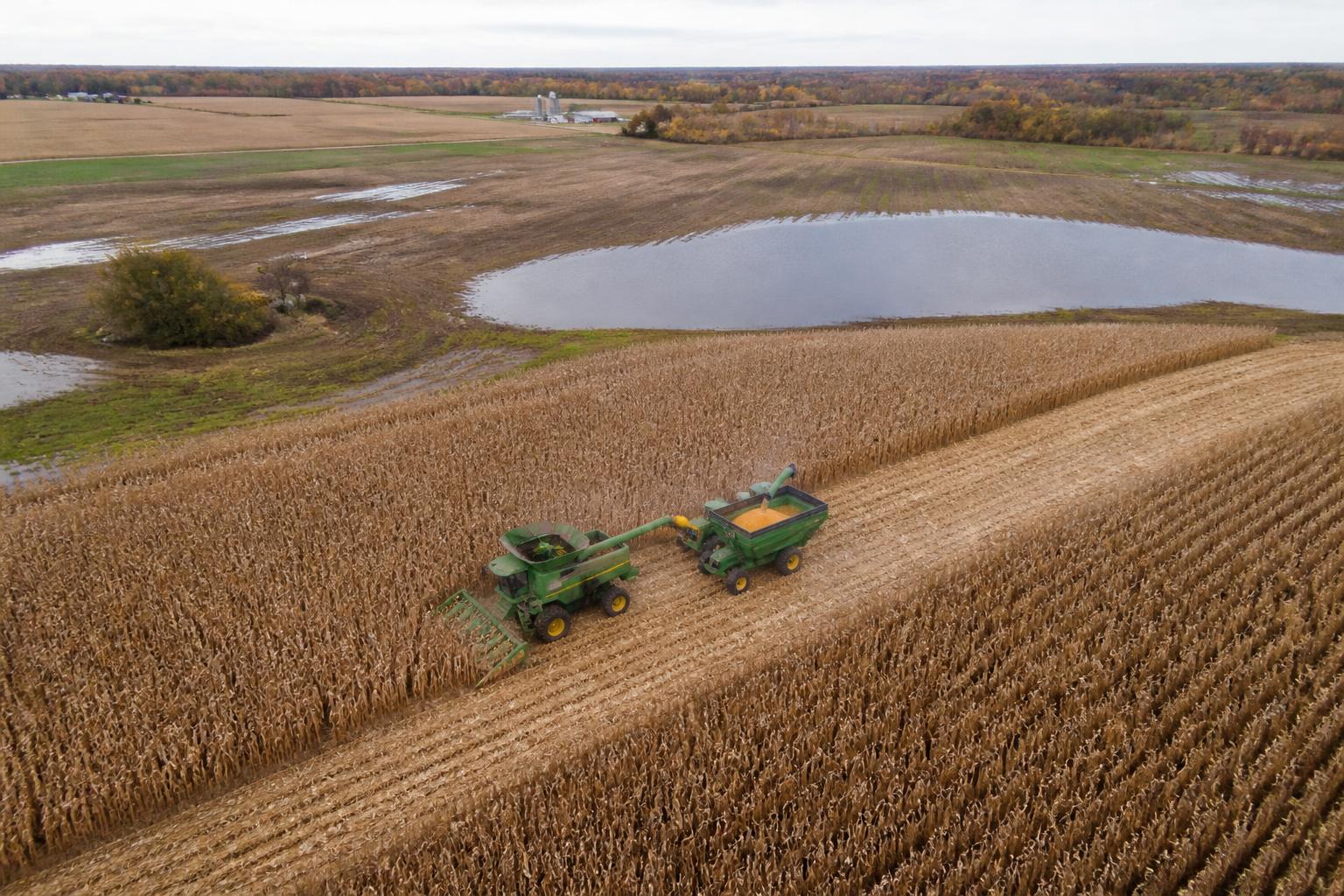
The Indiana harvest season is currently in full swing, though producers are reporting a wide range of crop maturity that may complicate logistics and timing for equipment movement. While many operations are managing steady progress, the variability in the crop means that grain handlers and farmers alike are adjusting to uneven field conditions. Coordination between local elevators and trucking fleets remains essential as capacity demands peak during this critical window.
As movement intensifies, the regional basis for corn has shown notable patterns. Reports from agricultural observers indicate that Northern Indiana corn basis began the season on a weaker note compared to other areas, but the gap has gradually narrowed as harvest activity has accelerated across the state. This tightening of regional price spreads is a key factor for logistics managers looking to optimize transit routes and terminal offloading schedules.
Infrastructure and Regional Demand
Beyond the field, infrastructure continues to play a pivotal role in maintaining state-wide grain flow. With the recent appointment of new leadership at the Ports of Indiana-Burns Harbor, there is continued focus on ensuring regional logistics networks remain resilient. Managing the logistics of input costs and supply chain flux remains a top priority for agribusinesses, especially as they look to balance internal capacity with the needs of local producers.
Economic shifts are also influencing local demand. Notable expansions, such as those in Orange County, are expected to bolster regional grain demand. These developments are important for local farmers to monitor, as they can alter local market dynamics and influence where grain is ultimately stored or processed.
Regulatory and Safety Updates
Farmers and haulers should stay informed regarding the implementation of the new Indiana Grain Indemnity law, which took effect recently. Ensuring compliance and understanding these changes can help protect producers throughout the storage and marketing cycle. As always, during the height of the fall season, road safety and clear communication between logistics partners remain the most effective ways to mitigate delays and manage the pressure on existing infrastructure.
What it means for the market
The convergence of variable crop maturity, tightening basis spreads, and new regulatory oversight suggests a complex but active market environment. For those moving grain, the ability to pivot schedules based on local elevator capacity and regional demand shifts will likely remain a competitive advantage throughout the remainder of the season.
Comments
No comments yet - be the first to share your take.