
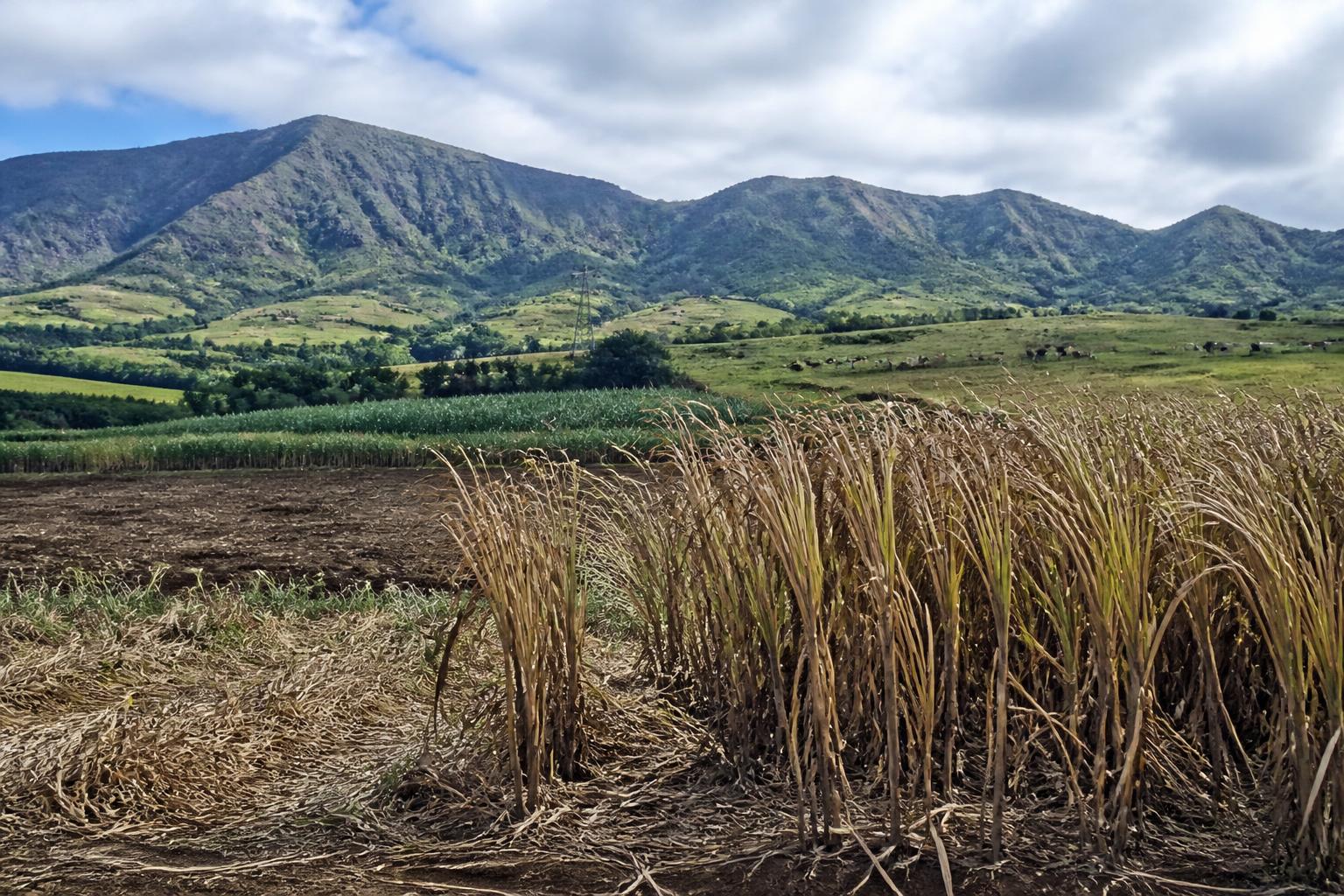
As we move through the fall season, Hawaii's agricultural operators are managing a nuanced logistics environment. From the highlands of the Big Island to the pineapple fields of Maui, the interplay between infrastructure limitations, environmental challenges, and market volatility continues to define day-to-day operations for local agribusinesses.
Maintaining an efficient supply chain and addressing regulatory shifts remain critical for producers looking to protect margins. Whether navigating the complexities of cattle production or coordinating the movement of specialty pineapples to market, the logistical hurdles inherent to island farming require proactive planning and close coordination with transport providers.
Adapting to Environmental and Market Pressures
The agricultural landscape has been impacted by recent environmental challenges, which in some areas have complicated standard planting and harvest cycles. These stressors often compound existing logistical difficulties, forcing producers to reassess their strategies for managing economic headwinds and input costs. By focusing on site-specific resilience and diversifying transport channels, operators can better buffer against unpredictable weather events that may disrupt inter-island shipping schedules.
Market Opportunities Amidst Constraints
Despite these headwinds, there are signs of steady activity within specific commodities. For instance, reports indicate that volume for high-demand crops like Maui Gold pineapples is picking up, suggesting that consistent consumer demand persists even as growers manage the high costs of regional distribution. For cattle producers and other livestock handlers, the focus remains on optimizing herd management while keeping an eye on the broader market landscape, where global distortions in sectors like sugar production may influence broader agricultural sentiment.
Building Operational Resilience
The path forward for Hawaii's agricultural community involves a continued commitment to infrastructure investment and strategic planning. As producers continue to navigate these multifaceted pressures, tracking Hawaii's evolving agricultural supply chain will be essential for identifying efficiencies in cargo movement and reducing downtime between the field and the final buyer.
What it means for the market
For farmers and handlers, the current environment underscores the need for localized logistical agility. While external pressures remain, prioritizing stable transport partnerships and staying informed on regulatory developments can help mitigate the impact of rising costs. Producers should focus on streamlining operations where possible and maintaining clear lines of communication with carriers to navigate the remaining months of the year effectively.
Comments
No comments yet - be the first to share your take.