
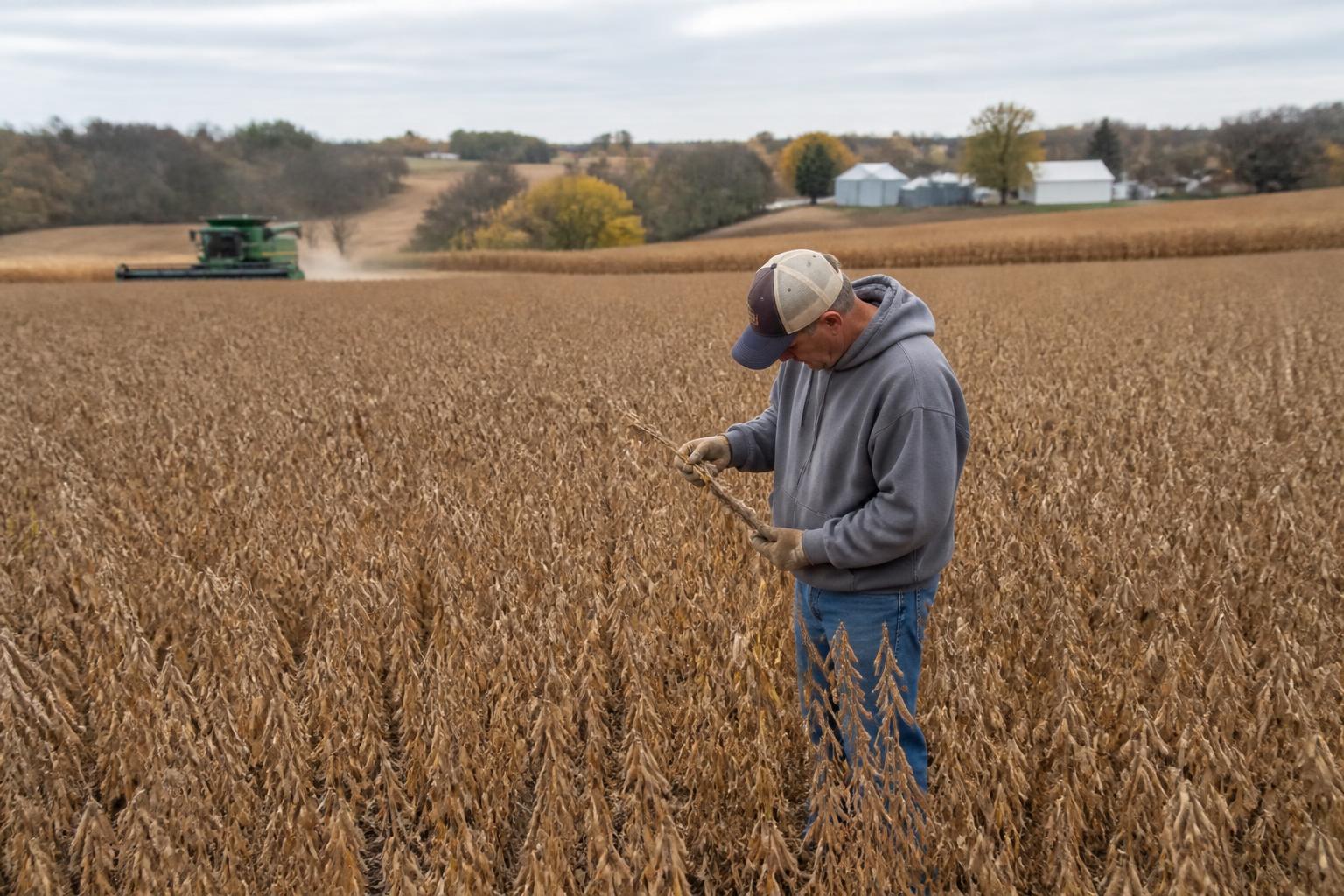
With the Iowa harvest season now in full swing, agricultural producers across the state are balancing the urgency of the field with the realities of an evolving logistics landscape. For many in the state, this period is defined by a tightening window for grain movement, where efficient equipment management and proactive planning often dictate seasonal profitability.
As harvest momentum builds, logistical pressures have become a central concern for many grain handlers and farmers alike. Reports indicate that broader transportation cost increases may begin to trickle down to the producer level, impacting the bottom line for those hauling grain to elevators or seeking to manage on-farm storage solutions. Staying ahead of these market fluctuations is essential for optimizing your grain marketing strategy as the season progresses.
Infrastructure and Equipment Efficiency
The operational landscape in Iowa continues to shift, particularly in the southeast, where new fertilizer production facilities have recently commenced operations. Such developments may eventually offer regional farmers more localized access to essential inputs, potentially easing some of the logistical burdens associated with long-distance supply chain disruptions. Furthermore, the integration of new digital tools and mobile applications for equipment management is helping many operations streamline their field logistics, from tracking machinery maintenance to coordinating harvest-time transport.
Looking Ahead
Farmers remain focused on field-level challenges, including monitoring for late-season crop stress and managing yields amidst variable weather patterns. As the state moves further into October, the focus remains on securing harvest gains and preparing for the logistics of post-harvest storage and delivery, with many looking to balance input costs against prevailing grain market prices.
What it means for the market
The current environment suggests that margins remain tight, forcing producers to look closer at the efficiency of every bushel moved. While new localized input infrastructure provides a positive signal for long-term overhead reduction, the immediate priority remains mitigating rising transit costs through better coordination and precise equipment management during the remainder of the fall window.
Comments
No comments yet - be the first to share your take.