
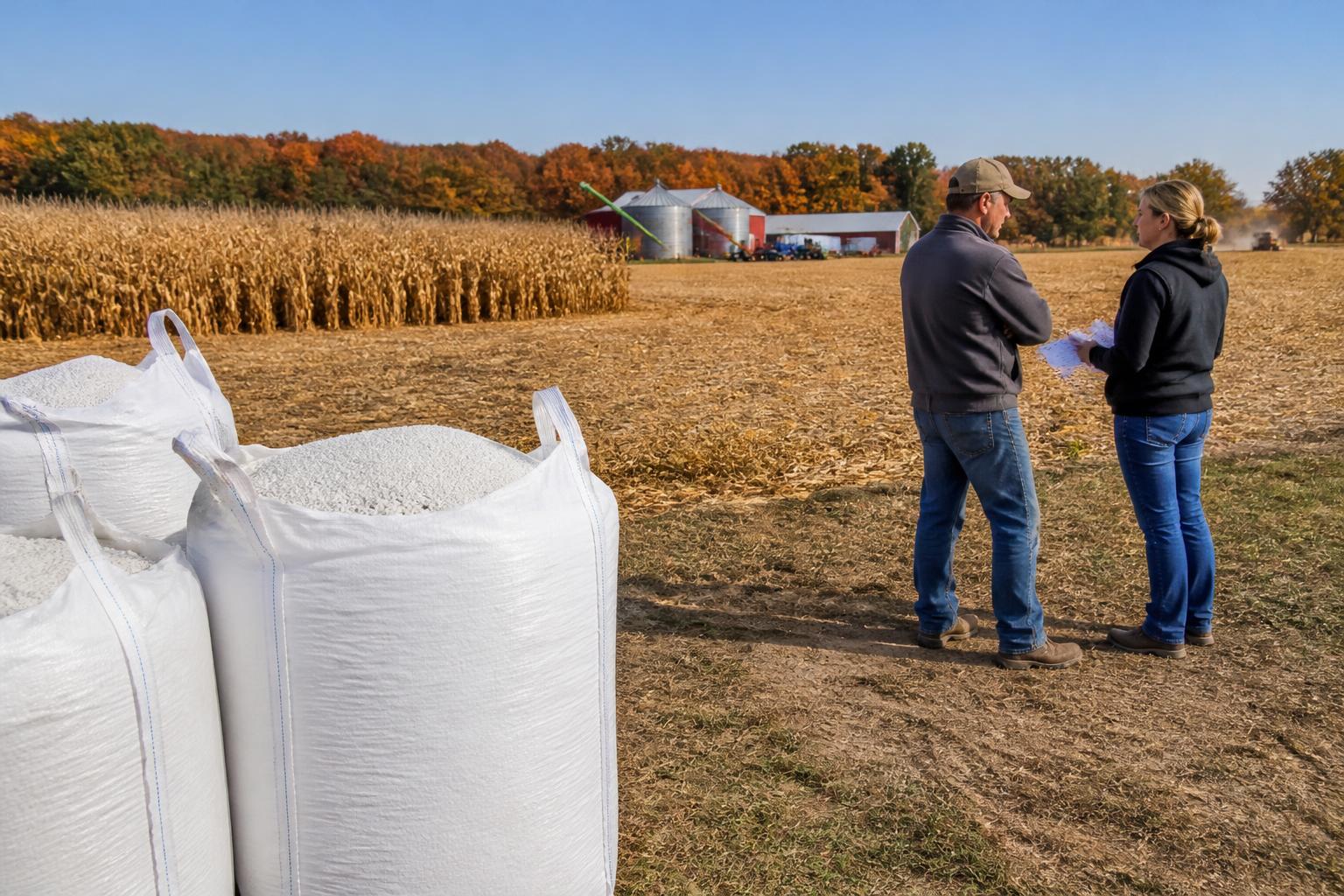
As the fall season progresses across Utah, agricultural producers are balancing end-of-season soil management with early procurement strategies for the upcoming year. With ongoing volatility in global input costs, many growers are closely monitoring shifts in domestic fertilizer availability. Federal support for increased domestic production capacity continues to be a focal point for agribusinesses looking to stabilize supply chains and mitigate reliance on international markets.
For Utah grain and row-crop operations, managing nutrient efficiency remains critical. Beyond standard chemical applications, the industry is increasingly evaluating the role of innovative biological solutions and specialized fertilizer products in maintaining yields. As logistics networks across the state transition into winter readiness, regional handlers are advising producers to coordinate early to ensure that essential inputs are staged properly before potential seasonal weather disruptions impact local transport routes.
Evaluating Input Strategies and Long-Term Feasibility
The conversation around fertilizer in the Mountain West is expanding beyond simple pricing. Discussions regarding the economic feasibility of alternative nitrogen sources, including emerging green ammonia production methods, are gaining traction among larger cooperatives. These developments, paired with a push for streamlined permitting processes, suggest a long-term shift toward a more resilient, localized input model that could eventually soften the blow of traditional commodity price spikes.
Water Management and Operational Constraints
In addition to nutrient management, water remains the defining variable for Utah's agricultural productivity. Managing irrigation systems as the season winds down is a standard, yet vital, operational task that directly influences the efficiency of fall field applications. Whether preparing for winter cover crops or simply closing out the harvest, producers are encouraged to integrate soil health monitoring with their input purchasing plans to optimize every dollar spent.
What it means for the market
For the average Utah operation, the current market climate necessitates a proactive approach to input procurement. While federal investment targets a more stable domestic fertilizer supply, the immediate reality requires careful planning to navigate potential logistical bottlenecks. Producers should prioritize early ordering and explore precision agriculture tools that maximize the value of existing nutrient applications, ensuring that capital is preserved during periods of market uncertainty.
Comments
No comments yet - be the first to share your take.