
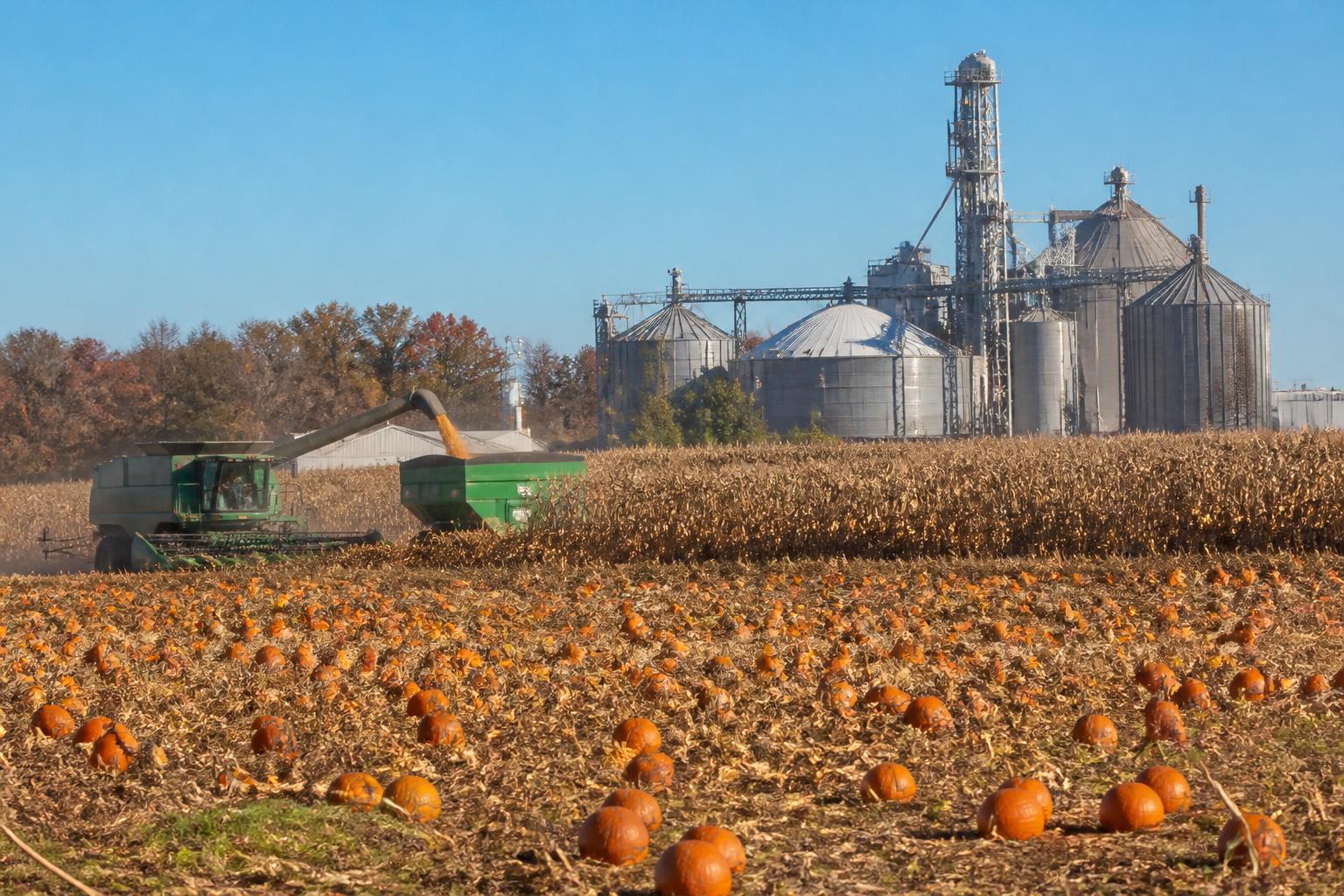
Louisiana farmers and agricultural stakeholders are closely monitoring shifts in fertilizer production and infrastructure as the fall season reaches a critical phase. Recent updates concerning facility permitting processes for major manufacturers have brought regional supply chain stability into focus, with industry leaders emphasizing the importance of efficient logistical pathways across the Gulf Coast region.
These developments come at a time when producers are balancing post-harvest logistics with preparations for upcoming cycles. Access to reliable inputs remains a priority for many operations, particularly as regional facilities look toward potential expansions intended to support domestic production capacity.
Infrastructure and Regulatory Developments
The regulatory landscape for regional fertilizer manufacturing is evolving, with administrative actions aiming to accelerate permitting for significant production plants. For Louisiana agribusinesses, these improvements in infrastructure permitting often serve as a bellwether for supply availability, potentially shortening the distance between production and application in the field.
Beyond traditional manufacturing, there is growing interest in diversifying agricultural technologies. For instance, the integration of autonomous systems at sites like the Houma-Terrebonne Airport suggests that the region is exploring new ways to modernize logistics, which could eventually influence how inputs are monitored or transported throughout the state's rural corridors.
Sustainability and Market Adjustments
Market dynamics are also being influenced by broader sustainability mandates within the dairy and commodity sectors. Initiatives to reduce methane emissions within supply chains are beginning to encourage producers and processors to reevaluate their environmental footprints. Such programs, while focused on emissions, reflect a growing trend toward integrated stewardship among Louisiana producers who are increasingly adopting practices that align with corporate sustainability goals.
Furthermore, as grain handlers and transport providers navigate the current seasonal export demands typical of late October, input buyers are encouraged to maintain close communication with local suppliers to account for any fluctuations in availability that may occur due to infrastructure updates or regional transit bottlenecks.
What it means for the market
For Louisiana farmers, the intersection of streamlined fertilizer production and emerging logistical technology points to a period of transition. While domestic supply expansion is promising for long-term stability, growers should stay agile, prioritizing proactive input planning and leveraging current local inventory options to navigate the remainder of the fall season successfully.
Comments
No comments yet - be the first to share your take.