
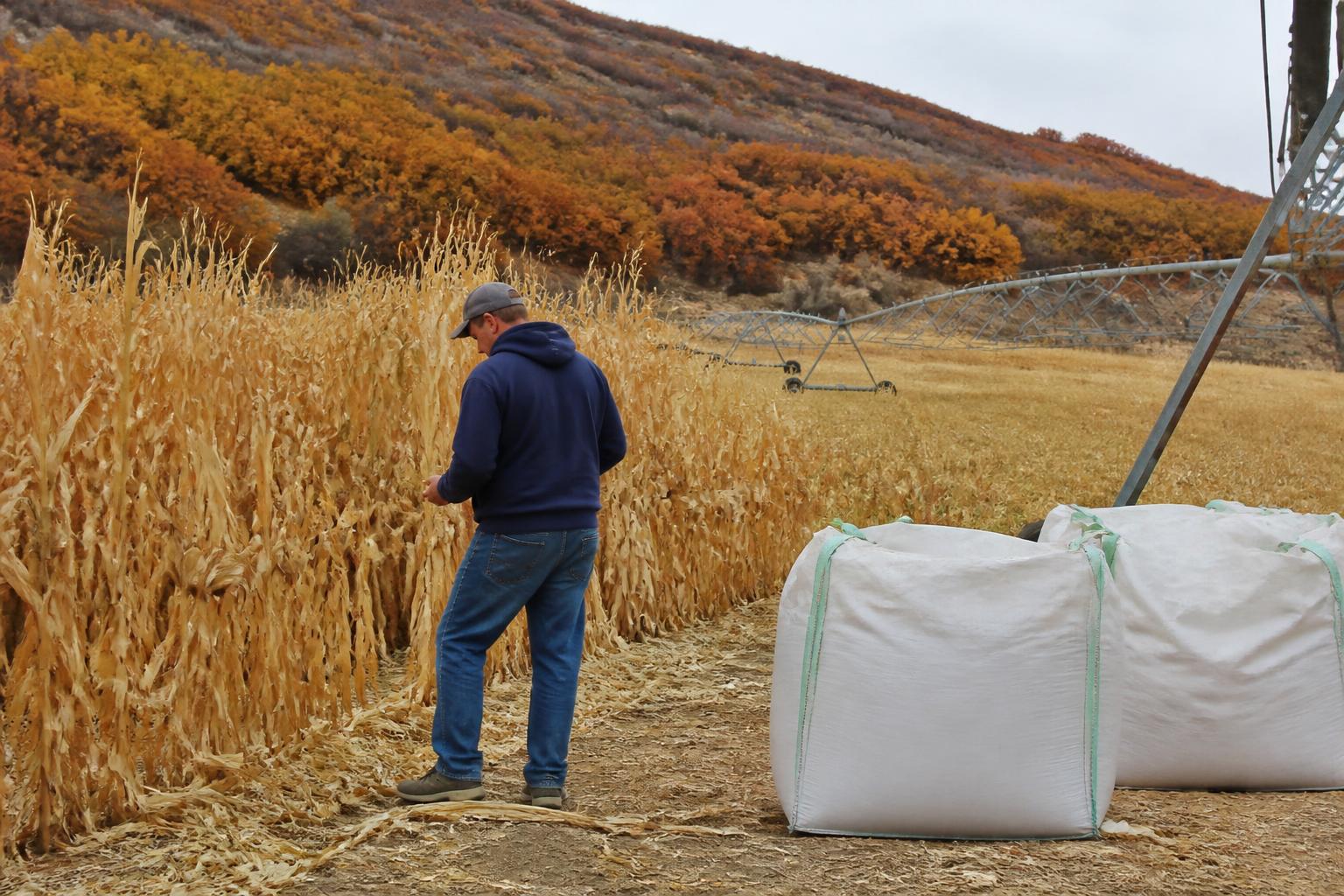
As the fall season progresses across Utah, agricultural producers are navigating a complex landscape defined by persistent input cost pressures and shifting environmental realities. While grain markets react to global supply adjustments, local operators are focusing on securing essential inputs to maintain long-term farm viability. The recent influx of federal support for regional potash initiatives highlights an ongoing industry-wide focus on stabilizing domestic supply chains, providing a potential buffer against volatility in global fertilizer markets.
Managing Resource Constraints
Resource management remains a central theme for many in the state, particularly as producers navigate the delicate balance between necessary irrigation and the evolving status of the Great Salt Lake. Many farmers in our region feel that while they are critical partners in water conservation, they are often disproportionately impacted by broader environmental policy debates. This tension, coupled with the need for efficient land use, continues to shape how local operations are modernizing their infrastructure to protect their livelihoods while meeting sustainability goals.
Input Economics and Future Planning
The cost of production continues to be a primary concern for Utah agribusinesses. With fertilizer remaining a significant line item for row-crop operations, market participants are looking closely at how domestic production capacity can influence future pricing. For those in the grain sector, keeping an eye on seasonal logistics and regional transport constraints is essential as we move into the final months of the year, ensuring that both inputs and harvested commodities move efficiently through our local infrastructure.
What it means for the market
The current environment suggests a cautious approach for the coming season. With regional water limitations and high input costs likely to persist, producers should prioritize operational efficiency and local procurement strategies where possible. By staying informed on domestic supply shifts and regional logistical capacity, Utah farmers can better position themselves to mitigate the impact of external market disruptions.
Comments
No comments yet - be the first to share your take.