
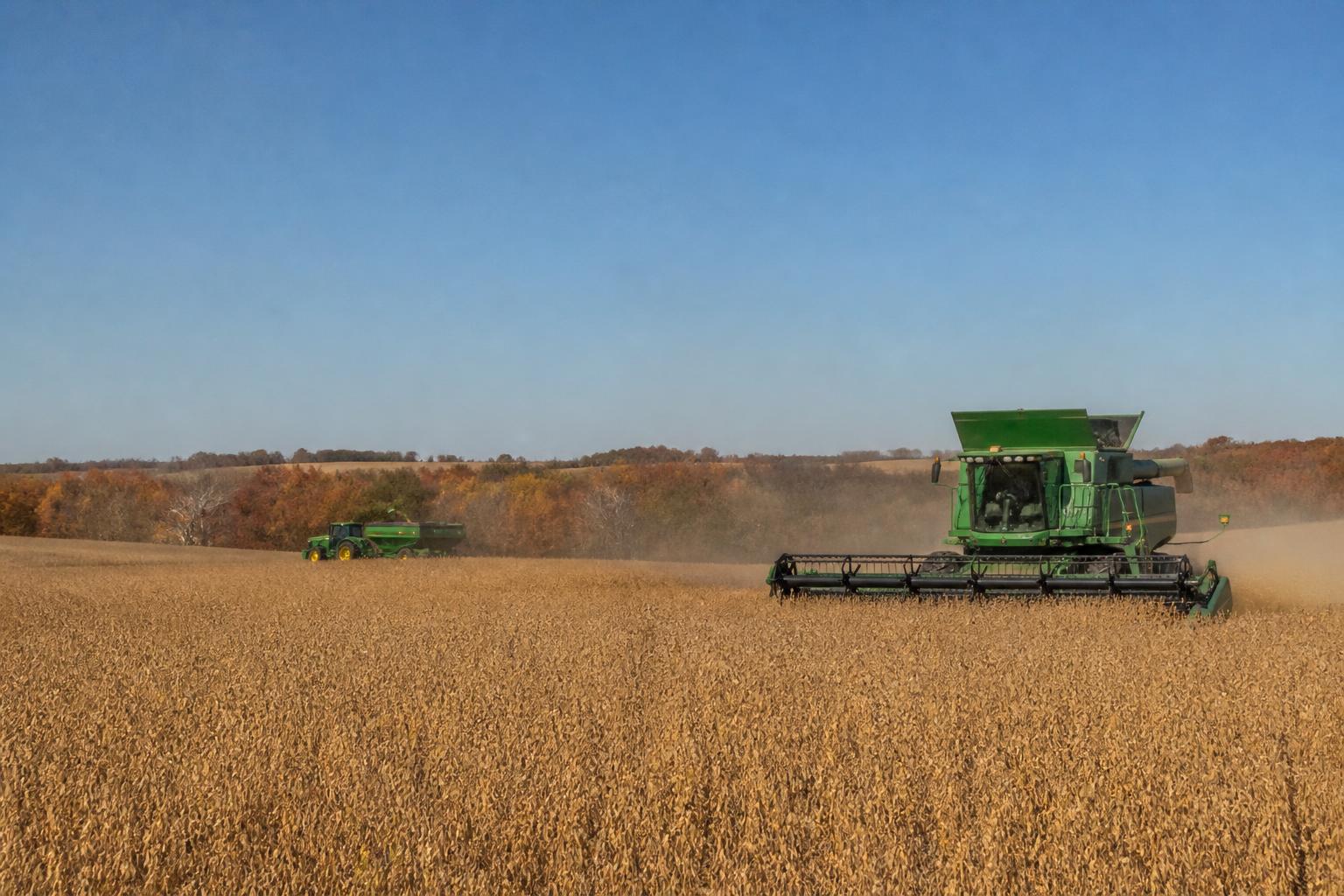
Global Price Dynamics and Wheat Outlook
Colorado wheat producers are navigating a complex pricing environment as global markets react to ongoing export workarounds in the Black Sea region. As international supplies fluctuate, domestic farmers are keeping a close eye on Colorado wheat market trends, where regional export capacity and local demand often dictate the bottom line. Recent data from the Commitment of Traders report suggests that market participants are adjusting their positions in light of these global agricultural tensions.
Water Management and Operational Constraints
Water security remains a critical factor for producers across the Centennial State. Recent reports indicate that growers are increasingly bracing to reduce their reliance on Colorado River water. This shift in water access policy requires long-term planning, particularly for those in the high-demand irrigation regions of the state. Managing these input costs while preparing for future planting seasons is a top priority for Colorado agribusinesses as they assess land viability in the face of long-term climate adjustments.
The Impact of Right to Repair
Equipment maintenance costs are a perennial concern for grain handlers and producers alike. New legislative developments, specifically the implementation of the Right to Repair Act in Colorado, may offer producers more flexibility when servicing machinery. For many growers, this could mean more control over repair timelines during peak harvest and planting windows, potentially reducing downtime for combines and tractors. Understanding how these legal frameworks apply to modern equipment fleets will be essential for managing operational efficiency as the industry evolves.
What it means for the market
The convergence of global price instability, tightened water resources, and updated equipment legislation is shaping a unique operational season for Colorado farmers. Producers who can leverage local repair rights to improve uptime while carefully monitoring wheat market signals may find themselves better positioned to weather the current volatility. Stakeholders should remain in close communication with local cooperatives and logistics providers as these regulatory and environmental factors continue to influence grain flow and farm-gate profitability.
Comments
No comments yet - be the first to share your take.