
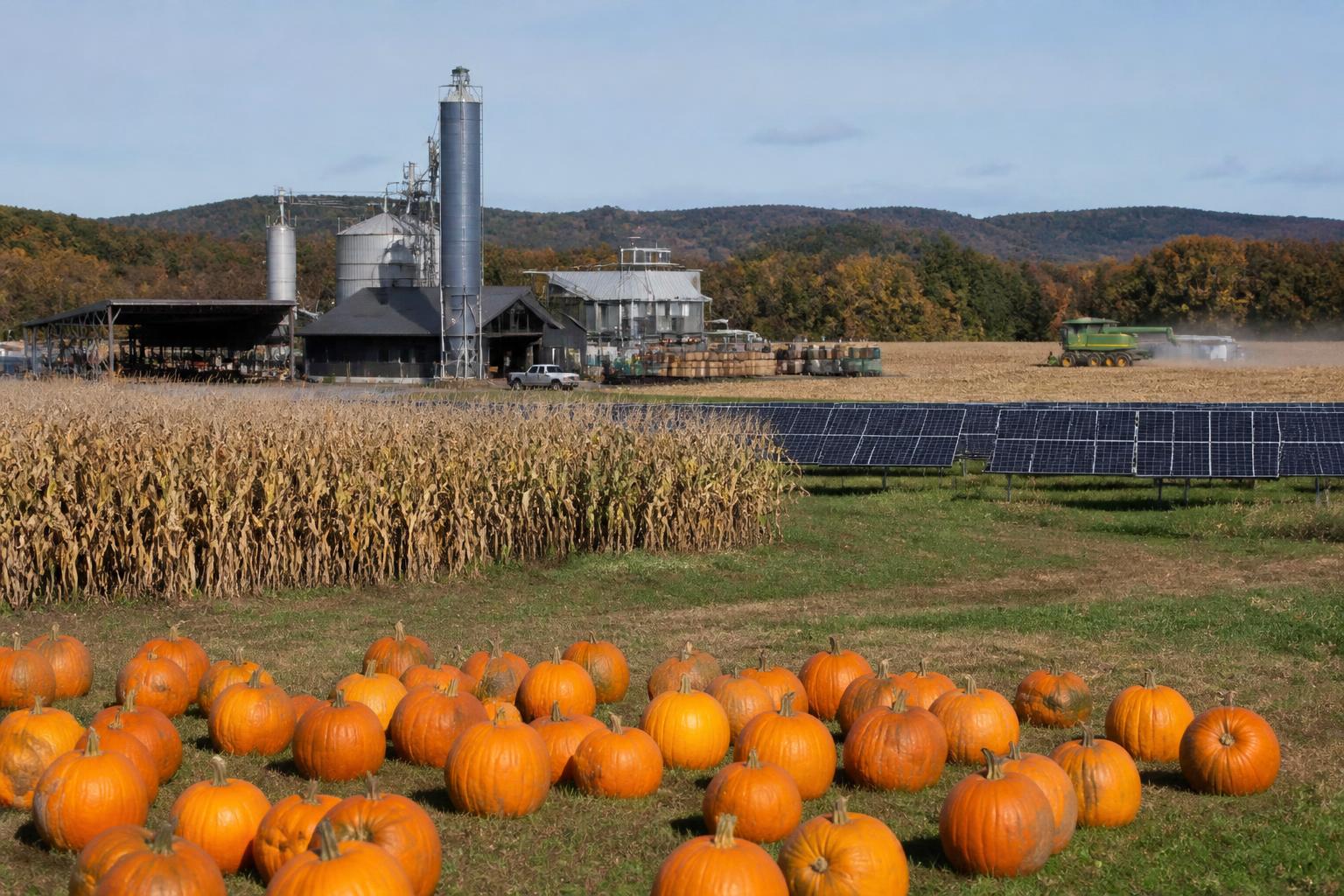
Vermont agriculture continues to demonstrate resilience as producers look toward innovative revenue models to offset traditional commodity challenges. In regions like Hardwick, farm-based enterprises are increasingly focusing on vertical integration, using locally grown grains to fuel value-added spirits production. This shift toward localized processing allows farmers to capture a higher percentage of the retail dollar while maintaining stewardship over their land.
The Intersection of Energy and Agriculture
Beyond traditional crop and dairy production, the integration of agrivoltaics represents a significant development for land management in the state. By co-locating solar infrastructure with agricultural production, some farmers are finding ways to diversify their income while keeping acreage in active use. This strategy can provide a stable financial buffer against volatile market cycles and rising input costs.
Building Resilience Through Diversification
As industry experts like those at the Dairy Farmers of America continue to emphasize, the future of the sector depends on career development and strategic planning. Whether through navigating yield protection and complex infrastructure needs or pivoting toward modern energy production, Vermont producers are balancing heritage practices with emerging business models. Understanding these environmental compliance and production shifts is essential for operations looking to scale in the current economy.
What it means for the market
For grain growers, logistics providers, and input buyers, these trends signal a shift toward specialized, lower-volume, higher-value supply chains. As farms adopt solar integration and distilling capabilities, the demand for equipment, soil amendments, and specialized technical labor is expected to evolve, favoring operations that prioritize agility and multi-use land management.
Comments
No comments yet - be the first to share your take.