
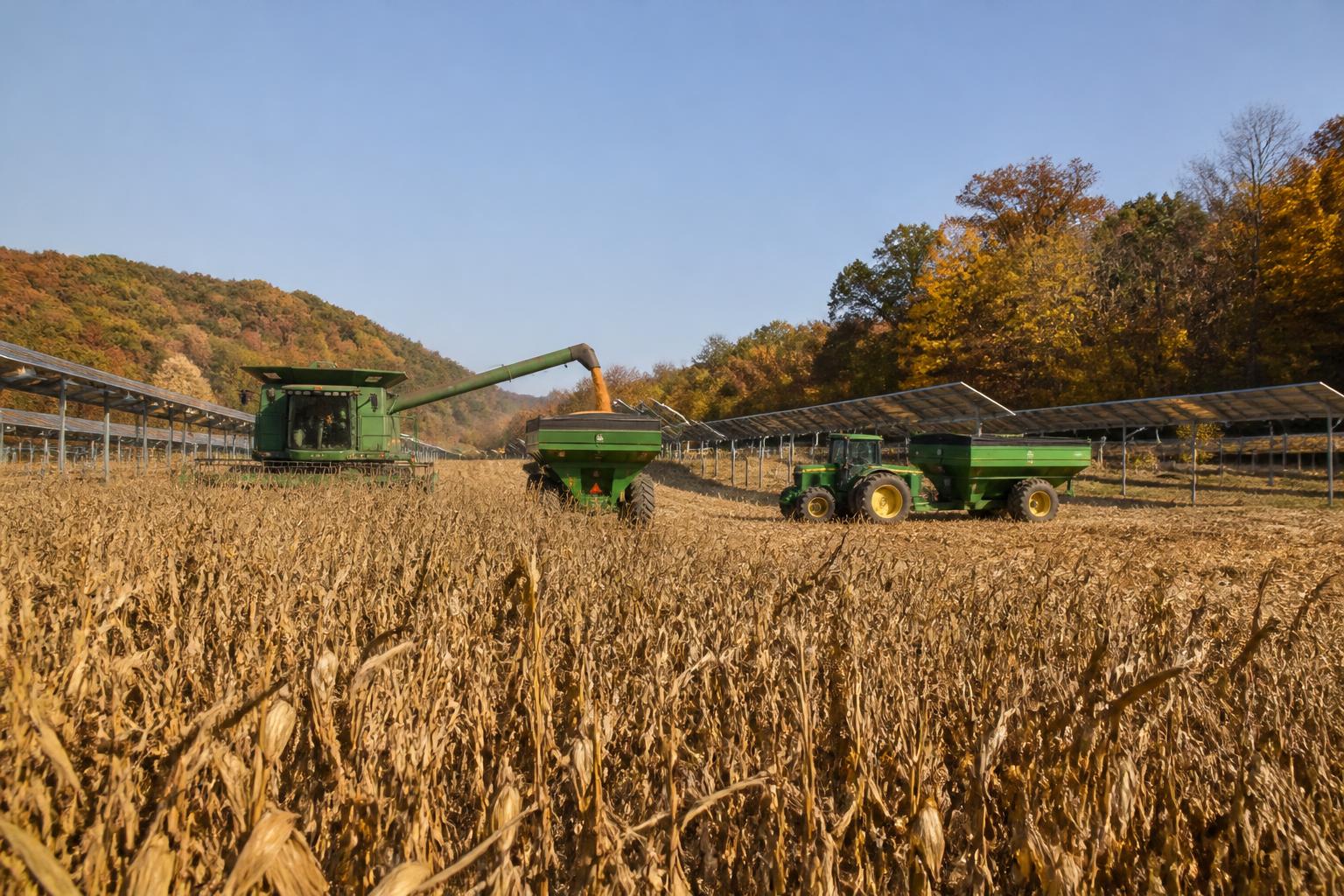
Vermont agricultural producers are currently navigating a complex operating environment as they close out the season. Following recent weather-related challenges that have impacted fields across the state, many operations are prioritizing the documentation of losses. This process is essential for producers seeking to leverage available disaster relief programs as they plan for the upcoming production cycles. Efficient record-keeping remains a cornerstone for Vermont farmers as they navigate new environmental compliance and production shifts to ensure long-term viability.
Technology and Innovation in the Field
Beyond immediate loss mitigation, the integration of new agricultural technologies is gaining momentum. From advanced corn hybrids designed to withstand regional stressors to the exploration of agrivoltaics, producers are looking for ways to maximize land utility. These dual-use strategies—combining solar energy generation with traditional farming—are being evaluated as potential tools to stabilize income and enhance the overall resilience of the rural economy.
Market Resilience and Local Demand
Despite environmental hurdles, local market engagement has shown strength. Recent data indicates record attendance at farmers markets across Vermont throughout October, suggesting a robust appetite for regional products. This consumer interest provides a vital tailwind for those balancing production costs with shifting input requirements. Maintaining a competitive edge in these markets often requires Vermont farmers to brace for evolving protection strategies and fuel shifts, ensuring that supply chains remain responsive to consumer demand even when field conditions fluctuate.
What it means for the market
For agribusinesses and grain handlers, the current landscape emphasizes the need for flexible procurement and risk management. With documentation of flood-impacted acreage underway, the demand for high-performance seed and protective inputs is expected to remain nuanced as growers prioritize land recovery and optimized yield potential for the coming season.
Comments
No comments yet - be the first to share your take.