
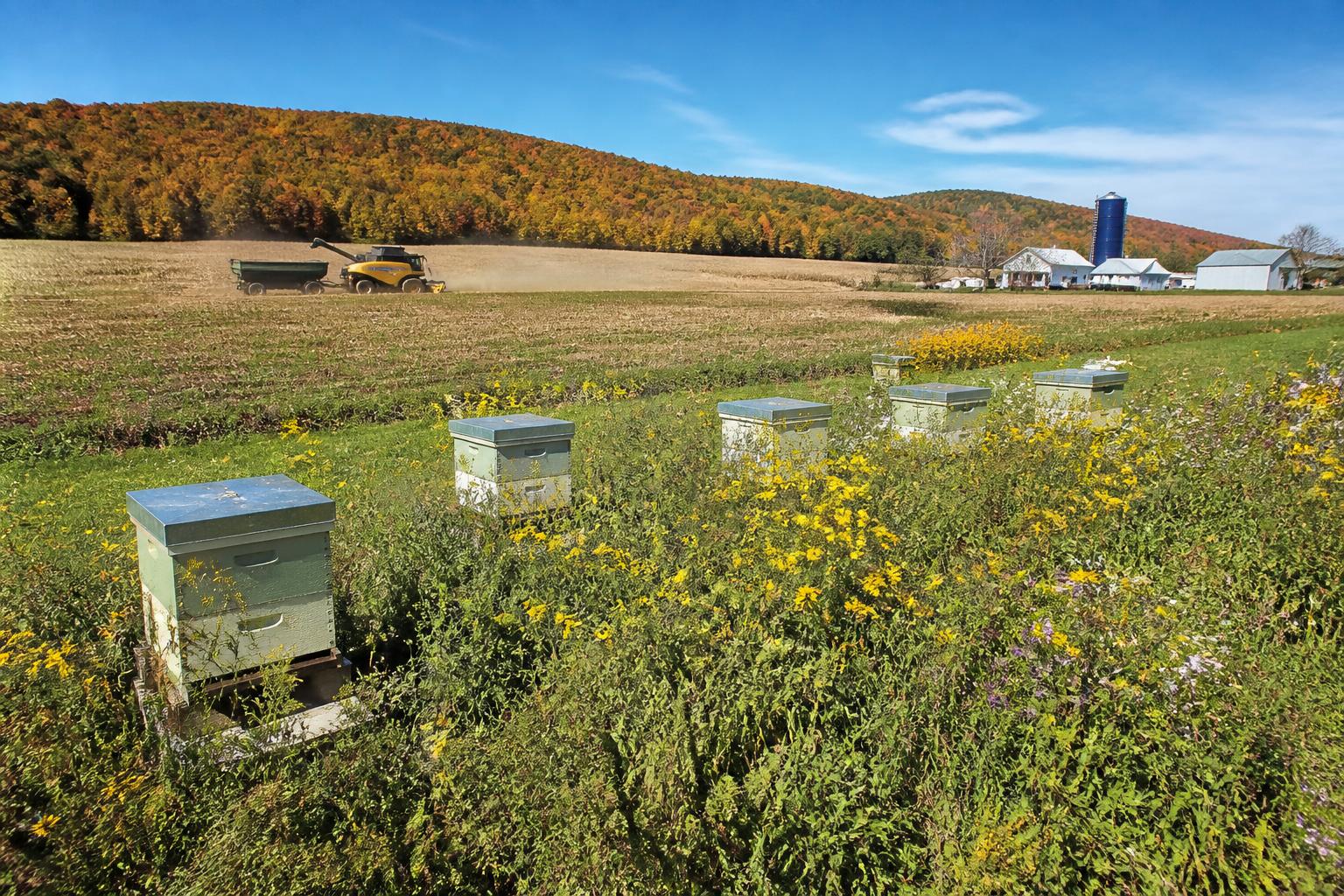
As the fall harvest season winds down across Vermont, producers are increasingly focused on navigating an evolving landscape of environmental compliance and production management. With state agencies finalizing updated farm drainage rules and the recent enactment of new pollinator protection policies, the operational overhead for many farms is shifting. These changes come at a critical time when many are assessing their fertilizer logistics and nutrient management strategies for the upcoming season.
For those managing dairy operations and diversified crop land, balancing these new mandates with economic viability remains the primary concern. Growers are exploring how precision agricultural techniques, such as variable rate nitrogen management, can help align environmental stewardship with financial goals. By reducing input waste, producers may find a path to mitigate some of the pressure created by rising regulatory compliance costs.
Aligning Sustainability with Operational Efficiency
The intersection of state policy and on-farm practice is particularly evident in how Vermont farms handle water management. The finalized drainage rules underscore a growing emphasis on watershed health, requiring farmers to plan more carefully during late-season land preparation. While these requirements can add complexity to field work, they also offer an opportunity for farms to refine their soil management strategies.
Simultaneously, the new pollinator protection framework places further focus on chemical application and land-use practices. For agribusinesses and input buyers, understanding the scope of these protections is vital as they plan for the next planting cycle. Farmers continue to monitor market headwinds affecting the dairy sector, as these environmental shifts often intersect with broader fluctuations in production margins and regional supply chains.
Looking Ahead to Next Season
As the industry looks toward potential changes in the upcoming federal Farm Bill, local stakeholders are advocating for policies that support both the economic stability of the dairy industry and the long-term sustainability of Vermont’s landscape. Many operators are prioritizing long-term soil health and efficiency to hedge against market volatility, emphasizing that consistent, data-driven approaches to nutrient management are becoming essential.
What it means for the market: Producers should expect a higher degree of administrative oversight regarding land and water use in the coming months. Prioritizing precision input strategies and staying informed on shifting compliance timelines will be key for maintaining margins and ensuring farm resilience throughout the winter months.
Comments
No comments yet - be the first to share your take.