
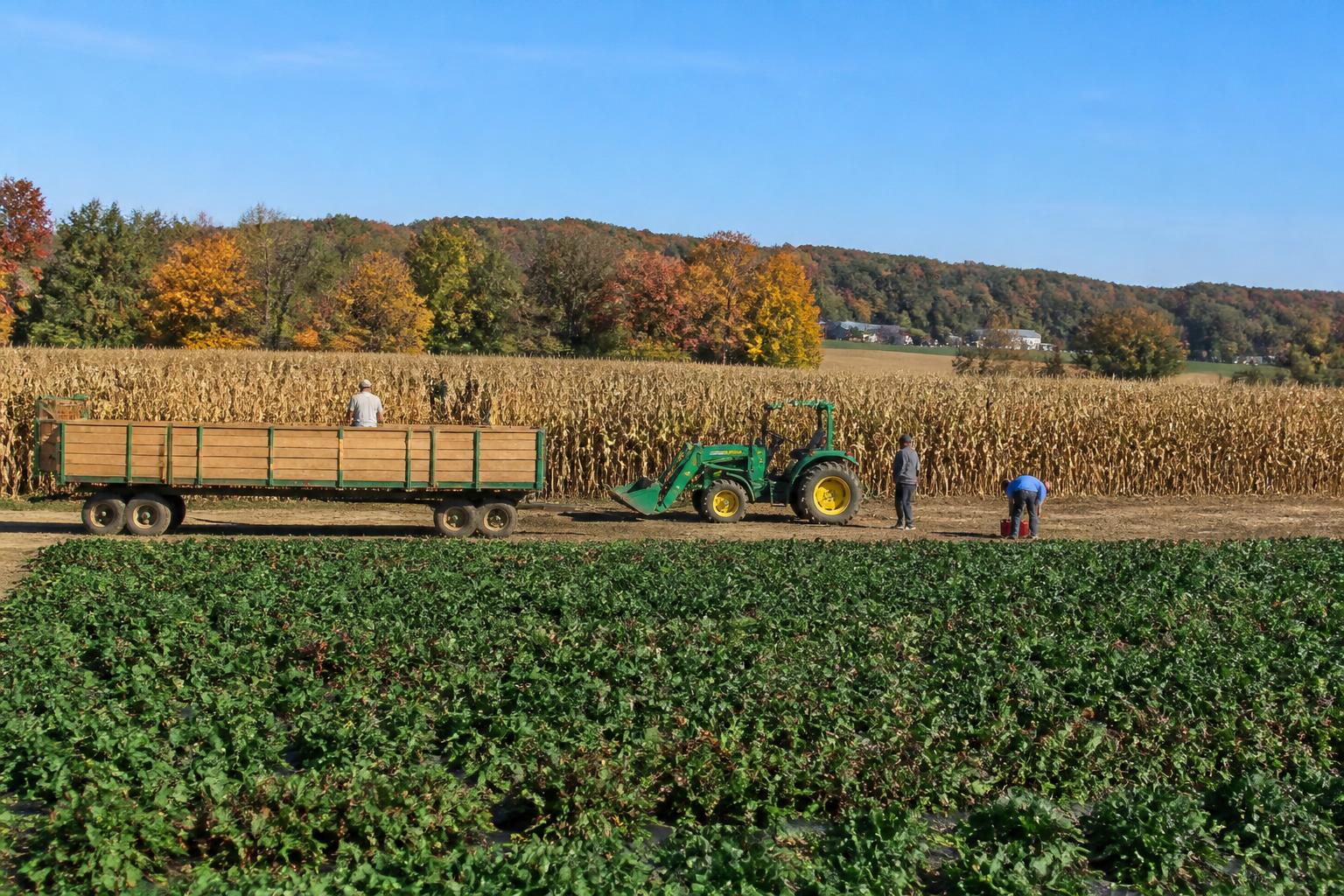
Market Headwinds for Local Producers
As we move deeper into the fall, Connecticut grain producers are navigating a period of significant market uncertainty. Recent reporting indicates a consistent cooling in corn prices, with multiple downward shifts observed throughout October. These fluctuations, often driven by global geopolitical tensions and shifting investor sentiment ahead of major supply and demand reports, impact the local bottom line for farmers who typically rely on stable forward pricing to manage their seasonal operations.
Weather Resilience and Operational Realities
Beyond the ticker tape, local producers continue to manage the lingering effects of a challenging growing season characterized by extreme precipitation variability. From intense periods of drought to sudden, heavy deluges, Connecticut's variable climate remains a primary factor in harvest management. Growers are often forced to adapt their logistics on the fly, balancing soil moisture concerns with the critical need to secure yields before the onset of the winter freeze.
Building Supply Chain Efficiency
Logistical reliability remains a cornerstone for agribusiness in the Northeast. Ensuring that harvest flows efficiently from the field to regional elevators or storage facilities requires precise coordination, especially as road conditions change with the season. For many producers, private investment in local infrastructure continues to be a discussed pathway toward mitigating transport bottlenecks. Understanding these shifts is vital for navigating Connecticut grain trends as the industry looks toward long-term stabilization.
What it means for the market
The convergence of downward price pressure on major crops like corn and the regional need for weather-hardened logistics means that Connecticut agribusinesses must prioritize cost management. Growers should maintain a close watch on regional cash bids and evaluate their storage capacity to remain flexible if market volatility persists into the late fall. Staying informed on both national trends and local transport availability will be critical for maintaining margins in the coming months.
Comments
No comments yet - be the first to share your take.