
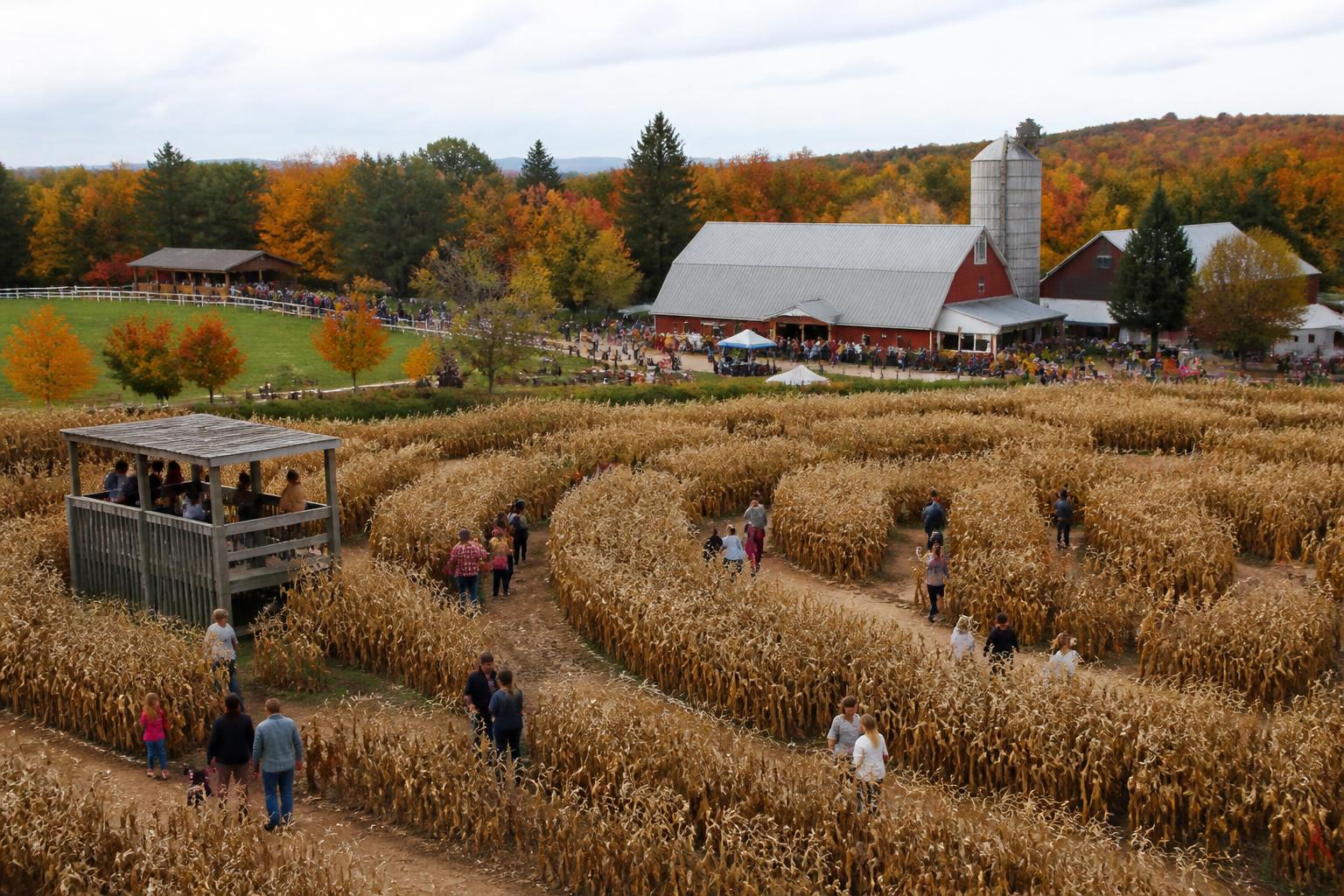
As we navigate the final weeks of October, the New Hampshire agricultural sector remains firmly in the heart of the fall harvest. For many local producers, this time of year represents the critical intersection of field operations and long-term logistics planning. Whether you are managing grain storage capacity or finalizing specialty crop sales, the pace of activity across the Granite State reflects a period of peak intensity and strategic preparation.
With the fall logistics cycle currently in full swing, agribusinesses and regional elevators are keenly focused on throughput efficiency. Maintaining flow through localized supply chains is essential as the colder months approach, particularly for operations reliant on the state's arterial highway corridors to move volume from farm to market.
Refining Production and Policy Support
Recent developments in state-level policy are aiming to bolster the resilience of the agricultural community. With new resources specifically designed to assist farmers impacted by recent extreme weather events, operators are encouraged to review eligibility for available crop loss programs. Such programs often provide a necessary buffer as the industry looks toward future planting cycles and risk management strategies.
Labor and the Next Generation
The transition of farm ownership remains a key theme throughout New Hampshire. As the industry faces shifting demographics, there is an increasing focus on supporting beginning producers and ensuring that established agricultural knowledge continues to serve the local economy. Whether through specialized farming programs or institutional support, the emphasis on cultivating the next generation of growers is becoming a structural priority for regional stakeholders.
What it means for the market
For grain handlers and input buyers, the current market climate necessitates a focus on operational agility. As we look ahead to the end of the year, tracking both the availability of disaster-relief funding and shifting seasonal demands will be paramount. By staying informed on state-wide logistical updates and participating in community-supported agricultural initiatives, growers can better position themselves to mitigate volatility and sustain profitability through the coming winter months.
Comments
No comments yet - be the first to share your take.