
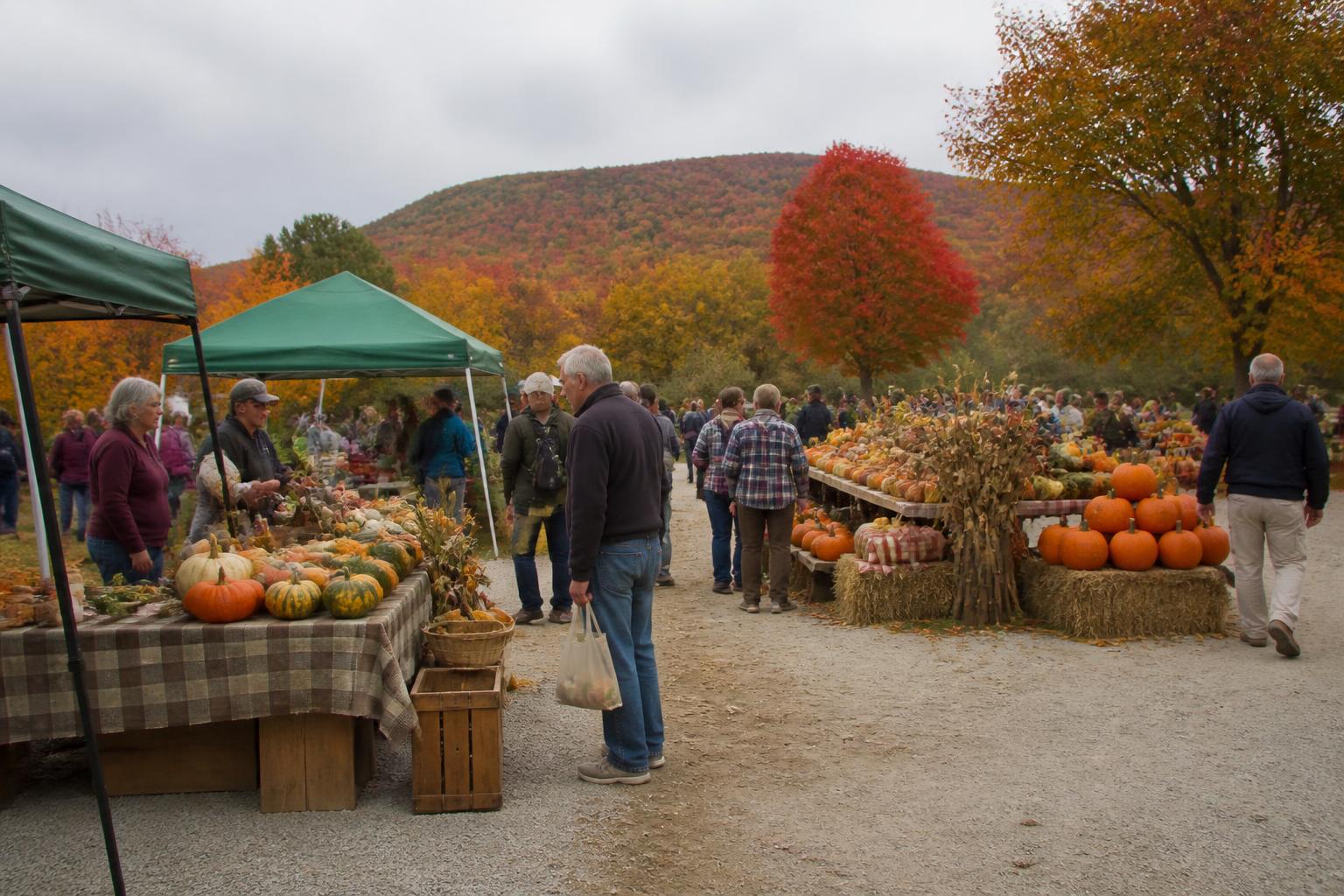
As Vermont farmers navigate the final stretch of the fall season, the focus remains firmly on securing harvest yields while preparing for the operational challenges that define the state's unique agricultural landscape. Recent seasonal shifts have prompted many producers to evaluate the durability of their current farming practices, particularly as they look toward future water management and infrastructure needs. From the iconic orchards that characterize the state's autumn landscape to the expansive organic operations that maintain Vermont's market reputation, the drive for sustainability is increasingly becoming a core business strategy.
Adapting to a Changing Climate
The recent volatility in weather patterns has pushed many in the region to rethink conventional land management. As farmers weigh the consequences of recurring flood risks against the pressure to maintain consistent yields, there is a renewed interest in diversifying production models. This involves a strategic look at how Vermont farmers navigate new environmental compliance and production shifts to ensure long-term viability. Many are exploring how to better integrate protected growing environments and advanced irrigation strategies to safeguard their bottom lines against unpredictable seasonal cycles.
Investing in Modernized Infrastructure
Beyond the field, there is a visible move toward modernization. Agrivoltaics and controlled environment agriculture (CEA) are transitioning from experimental concepts to practical tools for commercial growers looking to extend their growing seasons and manage energy costs. These investments are essential for producers aiming to stabilize supply chains that have historically been vulnerable to abrupt climatic changes. By pairing energy generation with crop production, agribusinesses are finding new ways to secure their operations against the rising costs of traditional inputs.
Leading in Organic and Niche Markets
Vermont continues to hold a strong position in the national organic sector, a designation that provides a distinct competitive advantage for local producers. Maintaining this status requires high adherence to specific land-use practices, which adds a layer of complexity to the decision between conventional methods, such as synthetic spray, and more labor-intensive tillage. This balance is critical for grain and specialty crop farmers who rely on the premium pricing power that comes with the state's organic certification.
Key Takeaways:
- Diversification: Increased interest in agrivoltaics and CEA as methods to mitigate seasonal risk.
- Resilience: Infrastructure investment remains the primary hurdle for operations managing flood-prone acreage.
- Market Position: The state's strong organic brand continues to drive stability for producers, despite broader regional logistics challenges.
What it means for the market
For agribusinesses and logistics providers, the shift toward controlled environments and climate-resilient infrastructure suggests a long-term change in input requirements and harvest timing. Expect continued demand for specialized equipment and installation services as farms pivot to more permanent, hardened infrastructure. For those in the supply chain, the emphasis on organic output implies that demand for consistent, high-quality, and verified sustainable goods will likely remain a pillar of Vermont's agricultural economy well into the next season.
Comments
No comments yet - be the first to share your take.