
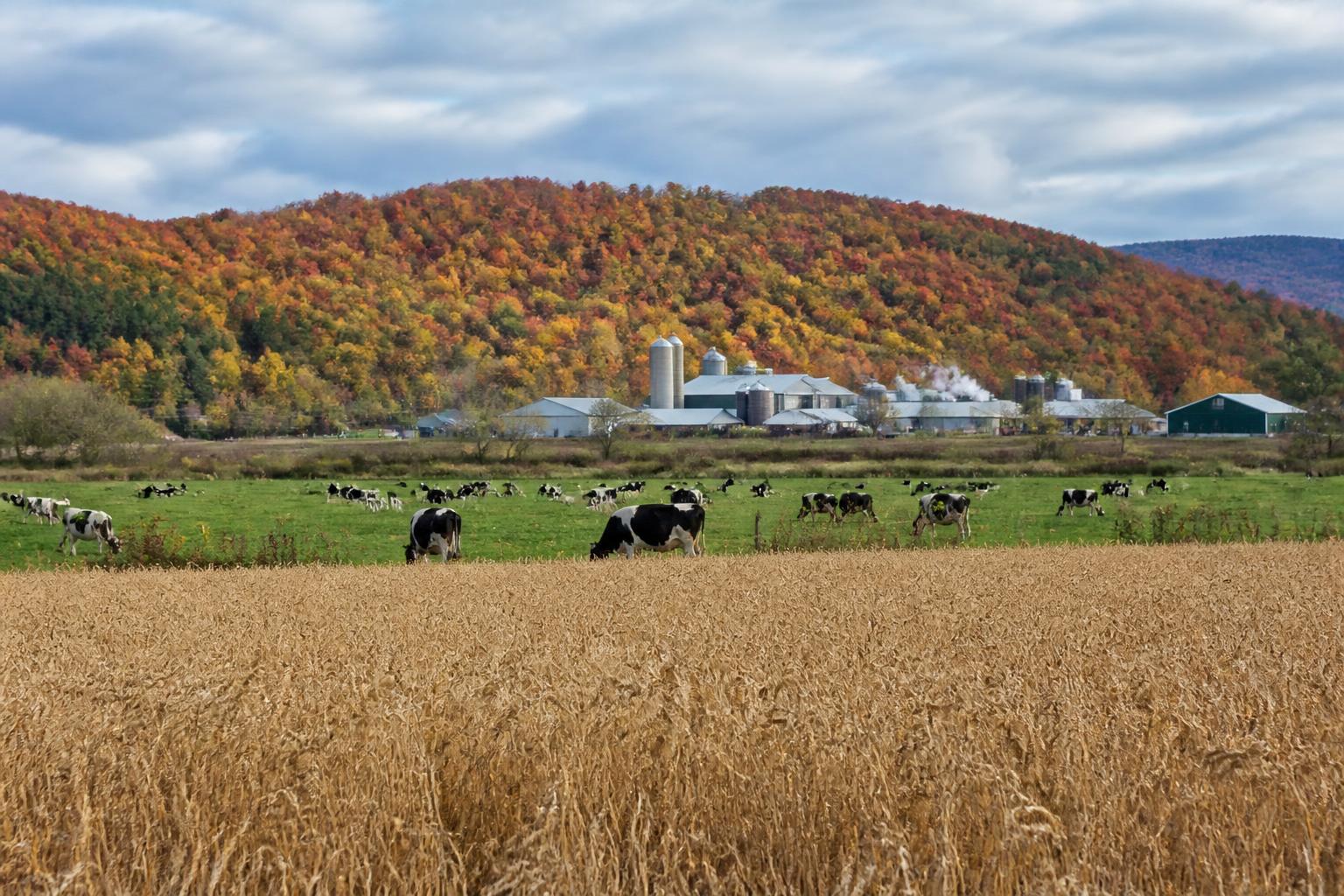
As the autumn season settles over Vermont, local farmers and agribusinesses are balancing harvest completion with mounting operational pressures. From the northern reaches near St. Albans to the rolling fields in the central valleys, the agricultural sector is navigating a period of significant structural transition.
For many producers, the focus remains on long-term sustainability despite recent disruptions. As explored in our deep dive into Vermont's agricultural infrastructure and yield management, maintaining resilience is no longer just about crop production; it is about managing the ripple effects of regional policy shifts and external trade climate changes.
Supply Chain and Labor Dynamics
Labor stability continues to be a cornerstone for Vermont's dairy and diversified operations. Recent policy adjustments regarding driver licensing for migrant workers have provided a measure of predictability for farm operations that rely on a mobile workforce. These logistical improvements are timely as the industry grapples with the uncertainty surrounding local processing facilities, such as the ongoing operational questions surrounding dairy plants in the northern part of the state.
Trade and Regulatory Pressures
The export landscape remains turbulent for specialty producers. Recent shifts in the U.S.-Canada trade environment have created substantial barriers for artisanal cheesemakers, effectively closing off important cross-border markets. This volatility is compounded by ongoing environmental compliance requirements, which remain a primary focus for farms navigating land-use regulations. As highlighted in our recent report on evolving production shifts and environmental mandates, aligning daily farm practices with shifting state legal frameworks is essential for safeguarding farm longevity.
Support and Resilience
With the harvest wrapping up, producers are increasingly looking toward federal and state disaster assistance programs. These resources are becoming vital for mitigating losses from extreme weather events, which have tested the infrastructure of timber and crop producers alike. Looking ahead, successful market participation will require a heightened focus on adaptability, whether that involves exploring niche opportunities like heritage grains or optimizing current supply chain logistics.
What it means for the market
The Vermont agricultural market is currently in a defensive posture. For producers, the priority is to maintain liquidity and minimize compliance risk, while agribusinesses should remain cautious regarding cross-border trade dependencies. Given the current regulatory environment, diversifying market channels and staying informed on local infrastructure updates will be the most effective strategies for navigating the upcoming winter season.
Comments
No comments yet - be the first to share your take.