
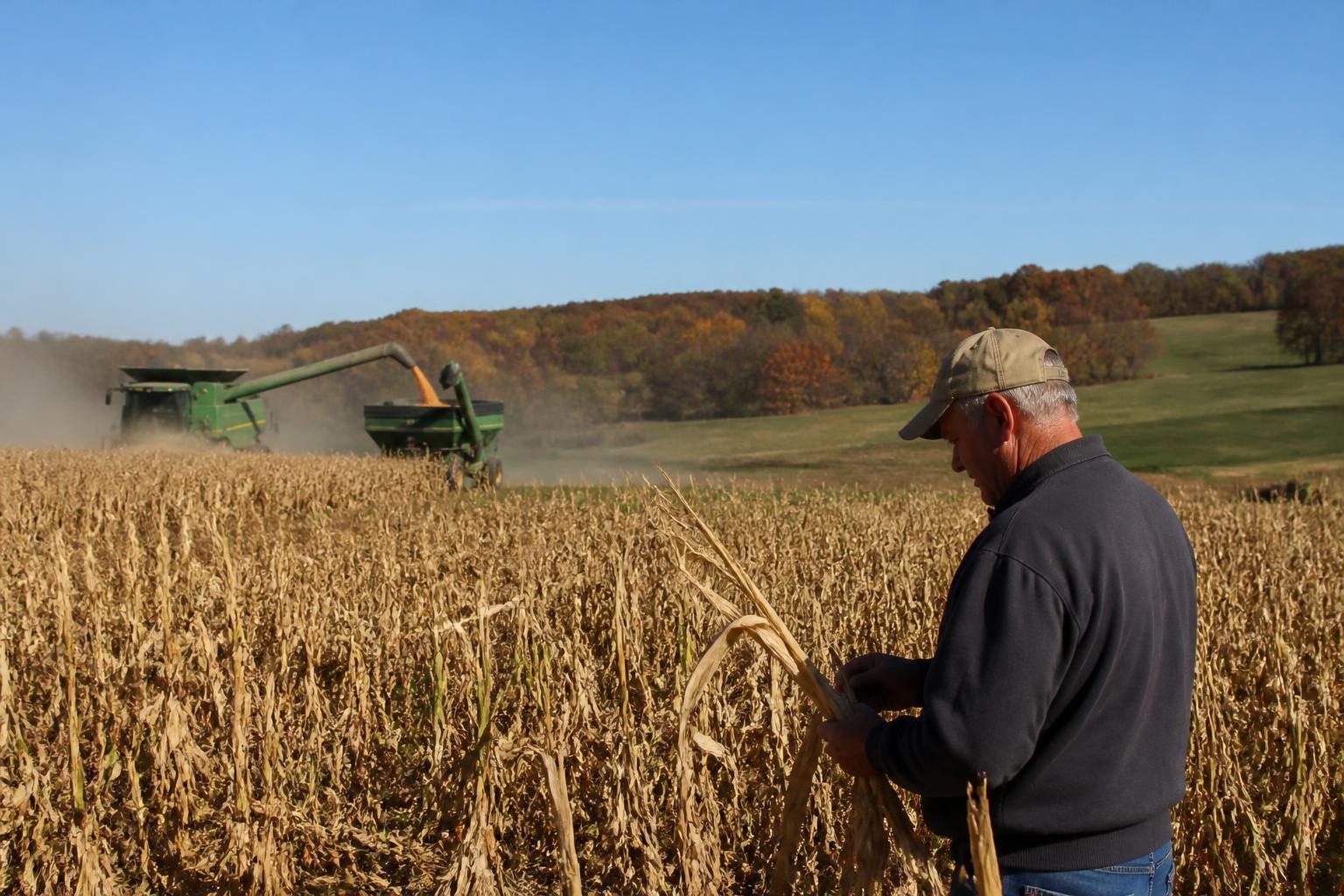
With the current harvest season reaching its final stages across Idaho, many growers are shifting their focus from field operations to long-term financial stability. As markets fluctuate, the importance of federal risk protection programs becomes increasingly clear for regional agribusinesses.
Producers in the Treasure Valley and the Snake River Plain are encouraged to review the upcoming enrollment windows for key price and revenue safety net programs covering 2026 and 2027. These instruments serve as a cornerstone for farm-level risk management, offering a buffer against the price instability that often impacts the state's diverse crop sectors. Understanding how these tools integrate with modern precision management strategies is essential for sustaining margins in the current economic environment.
Evaluating Safety Net Coverage
Participation in federal programs requires careful alignment with individual operation cycles. For Idaho farmers, who navigate specific water-access constraints and seasonal high-desert production cycles, selecting the right coverage requires an assessment of both historical yields and current market expectations. Producers should consult with their local FSA office or risk management advisors to verify specific deadlines and eligibility requirements for the coming two-year cycle.
Mitigating Market Uncertainty
Beyond federal support, operational efficiency remains a priority during these autumn months. As grain flow moves from fields to local elevators and regional storage facilities, tracking basis levels and transport availability can provide additional protection against regional supply-chain bottlenecks. Ensuring your risk management portfolio is balanced between government programs and proactive logistical planning is a sound approach for weathering the 2027 production cycle.
Key Takeaways
- Confirm specific enrollment deadlines for 2026 and 2027 safety net programs with local USDA representatives.
- Evaluate how current revenue protection levels align with individual crop production goals.
- Utilize the winter months to finalize financial plans, allowing for more agile decision-making once spring planting approaches.
What it means for the market: For Idaho producers, the current focus on federal program enrollment is a critical step in de-risking the next two years of production. By locking in safety net protections now, farmers can better manage the financial risks associated with input costs and unpredictable market pricing, providing a more stable foundation for the upcoming growing seasons.
Comments
No comments yet - be the first to share your take.