
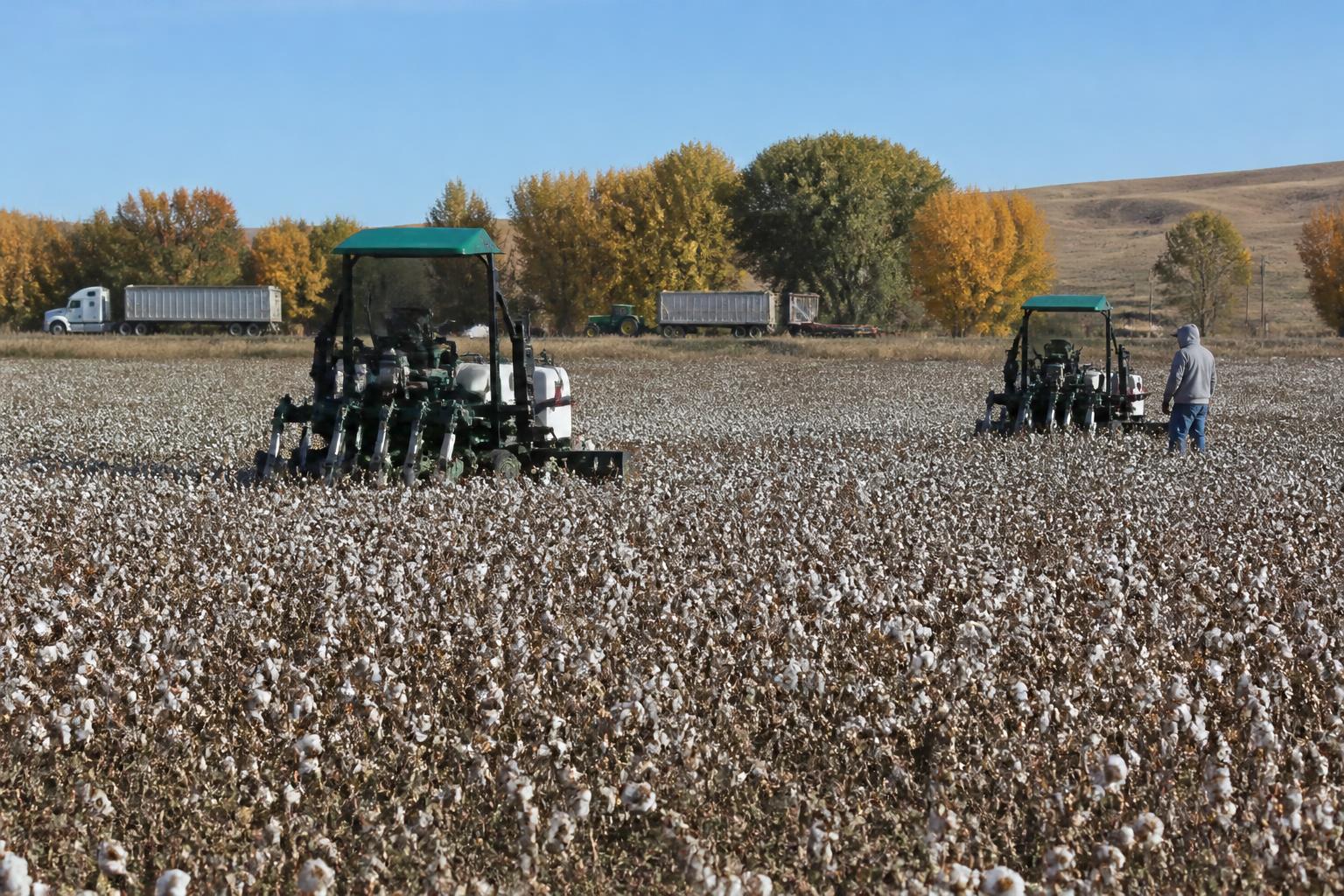
The Idaho harvest season is currently in full swing, with producers across the Gem State pushing to clear fields as temperatures drop. For local elevators and grain handlers, this period is synonymous with balancing storage capacity against the logistics of moving product to market. Consistent rail access remains a cornerstone of this process, particularly as shippers monitor the latest fluctuations in grain car fulfillment across major lines.
While rail performance reports often highlight national trends, the regional impact for Idaho agribusinesses is immediate. Ensuring that rail cars are spotted on time is vital for preventing bottlenecks at local loading facilities. As the fall cycle progresses, many operators are finding that proactive communication with rail carriers is essential to mitigate the risk of shipment delays, which can quickly compound during the peak of the harvest window.
Adapting to Seasonal Logistics
Harvest logistics in Idaho are rarely uniform. From the spud fields of the Gem Valley to the diverse cropping systems in northern counties, the ability to coordinate transport relies on both regional infrastructure and external market pressures. When rail car availability tightens, shippers typically look to optimize their internal flow, often prioritizing high-turnover commodities to keep bins moving. For those invested in local, value-added sectors like regional milling or specialty crops, these logistical hurdles represent a significant part of the seasonal cost management strategy.
Market Outlook and Efficiency
Efficient grain movement is not just about logistics; it is about maintaining the thin margins that define modern agricultural success. With reports of continued activity in grain car fulfillment, industry participants are keeping a close watch on whether carriers can sustain the pace of demand through the late fall. For farmers and elevator managers alike, the priority remains the same: keeping the supply chain fluid so that the hard-won gains from the summer growing season reach the buyer without undue delay.
What it means for the market: Continued volatility in rail logistics suggests that Idaho agribusinesses should maintain flexible storage and transportation plans. While recent data points toward ongoing efforts to meet car demand, those who can secure early logistical commitments or leverage regional storage capacity will likely be better positioned to navigate the remainder of the harvest season.
Comments
No comments yet - be the first to share your take.