
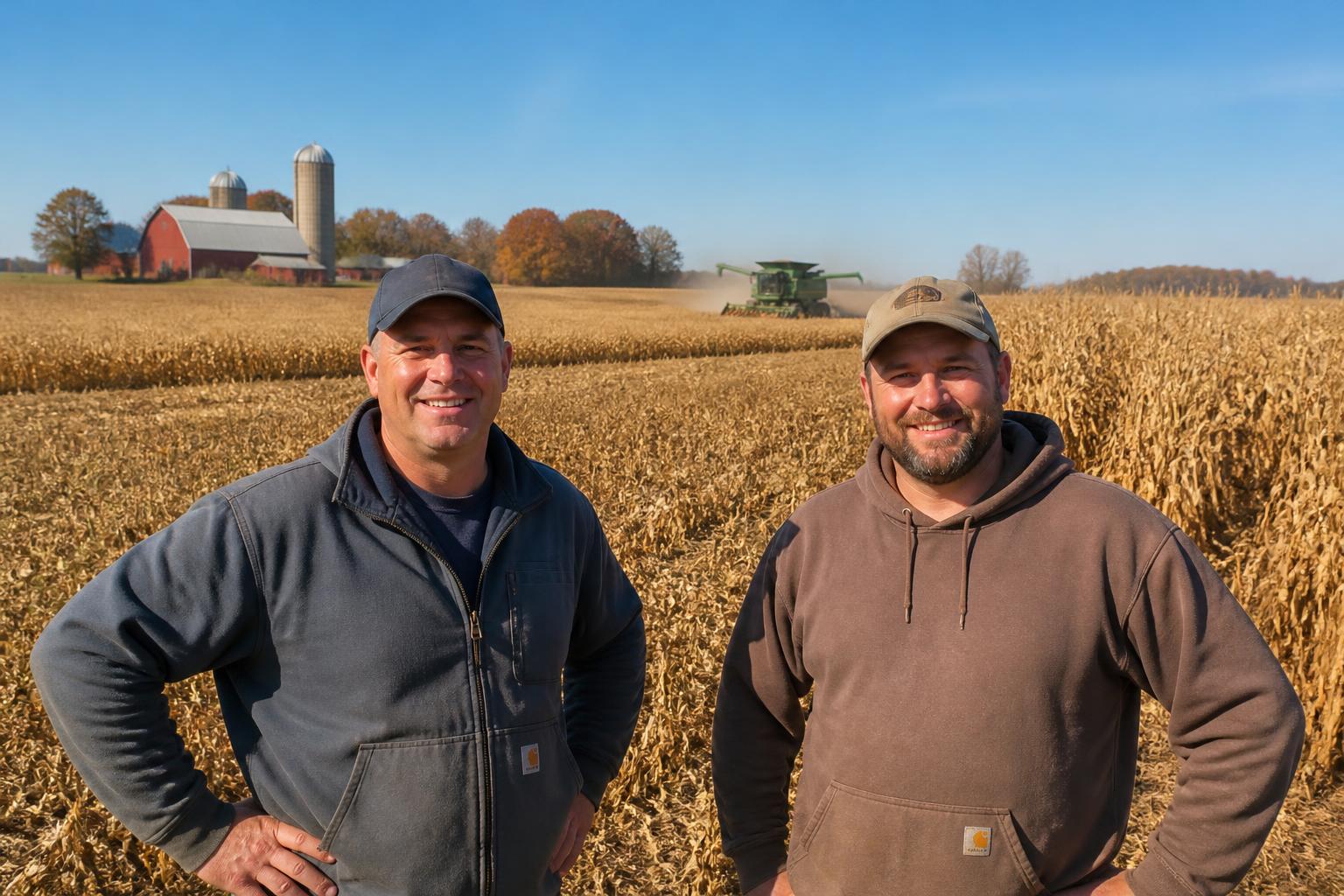
As the fall harvest winds down across Illinois, producers are balancing a landscape defined by significant international demand and persistent logistical costs. Recent trade initiatives, including targeted international grain tours, have yielded approximately $200 million in projected sales, providing a vital lift for state-level commodity movement. These market developments offer a welcome focal point as local elevators and cooperatives navigate the complexities of late-season storage and transport.
Despite this export momentum, the broader economic picture remains tight. Producers are increasingly conscious of input expenses, with fuel and fertilizer costs already weighing heavily on long-term budgeting for the 2027 crop year. While crop quality and yields have kept spirits high in many rural communities, the transition from harvest to winter field management requires careful financial calibration.
Navigating Operational Challenges
The industry continues to adjust to a changing support environment. For instance, while regional cover crop initiatives like the state's popular savings program are subject to shifts in funding, many growers remain committed to soil health strategies that offer long-term efficiency. The importance of resilient field management is underscored by broader logistical pressures, which can occasionally impact transport efficiency throughout the state's critical grain corridors.
For those managing large-scale operations, investment in regional research continues to be a point of stability. Recent infrastructure additions, such as new research facilities in the state, suggest a long-term commitment to improving yields despite current market volatility. Keeping a close watch on how these storage and logistics needs evolve is essential for maintaining margins during this period of high volume.
What it means for the market
The Illinois agricultural sector is currently in a state of high-stakes transition. The influx of international buyer interest provides a solid baseline for current price discovery, but the upward trend in fixed input costs means that profitability will likely hinge on operational precision rather than just yield volume. As growers and grain handlers settle into the winter cycle, prioritizing efficient fuel and chemical procurement strategies may be just as vital as managing current harvest inventories.
Comments
No comments yet - be the first to share your take.