
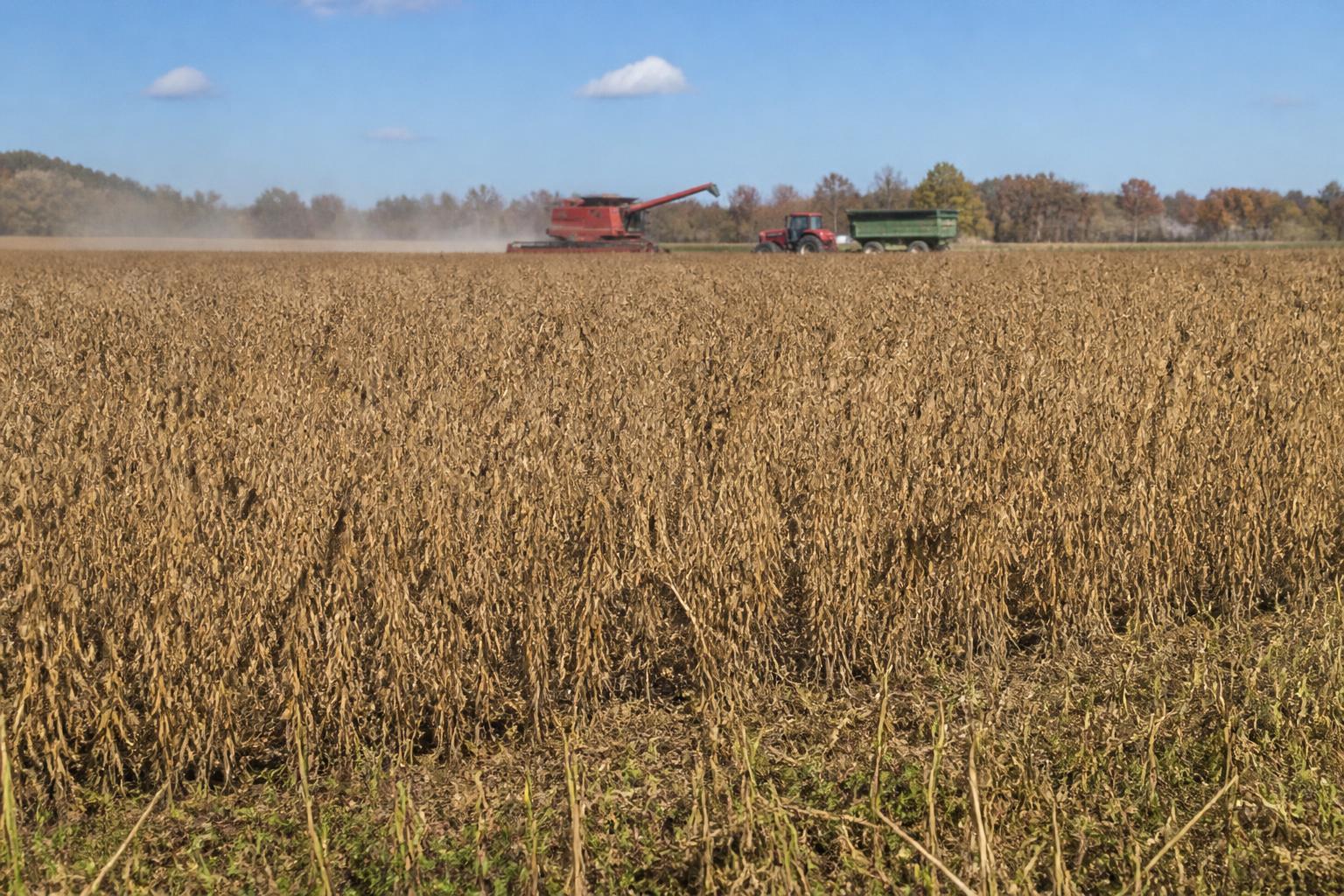
As harvest operations progress across Illinois, producers are balancing the momentum of a busy season with the practical realities of infrastructure and market management. While recent weather patterns have generally favored field work in many regions, the pressure on local supply chains remains a primary consideration for growers aiming to protect their bottom line during peak movement.
Ensuring that grain reaches elevators efficiently is a top priority as harvest intensity climbs. For many operators, this means closely monitoring local storage and logistics challenges that can tighten as volume flows from the field. With capacity at a premium, taking advantage of current logistics support and planning tools has become an essential component of the fall strategy.
Managing Storage and Financial Flexibility
Beyond the immediate transport of grain, producers are actively looking at ways to manage inventory more effectively. The state has recently introduced programs, such as new grain storage loan initiatives, designed to assist farmers in expanding their on-farm capacity. By securing storage space, growers may gain the necessary flexibility to hold grain longer when market conditions dictate, potentially insulating their operations against short-term price fluctuations.
Looking Ahead: Planning for Next Season
As the primary harvest draws to a close in many Illinois counties, the focus for many is already shifting toward field protection and input management. Whether through the implementation of cover crops or evaluating fertilizer market impacts, early preparation is often the key to maintaining soil health and managing operational costs for the upcoming year. For those currently weighing their options, staying informed about fall input costs and field maintenance remains critical to sustained profitability.
What it means for the market
The current environment in Illinois highlights a shift toward increased reliance on on-farm storage and strategic logistical planning. As producers navigate these logistical hurdles and leverage available state-backed financial support, their ability to time sales effectively in a volatile market will be a defining factor for individual farm success this season.
Comments
No comments yet - be the first to share your take.