
Navigating the End of Harvest Logistics
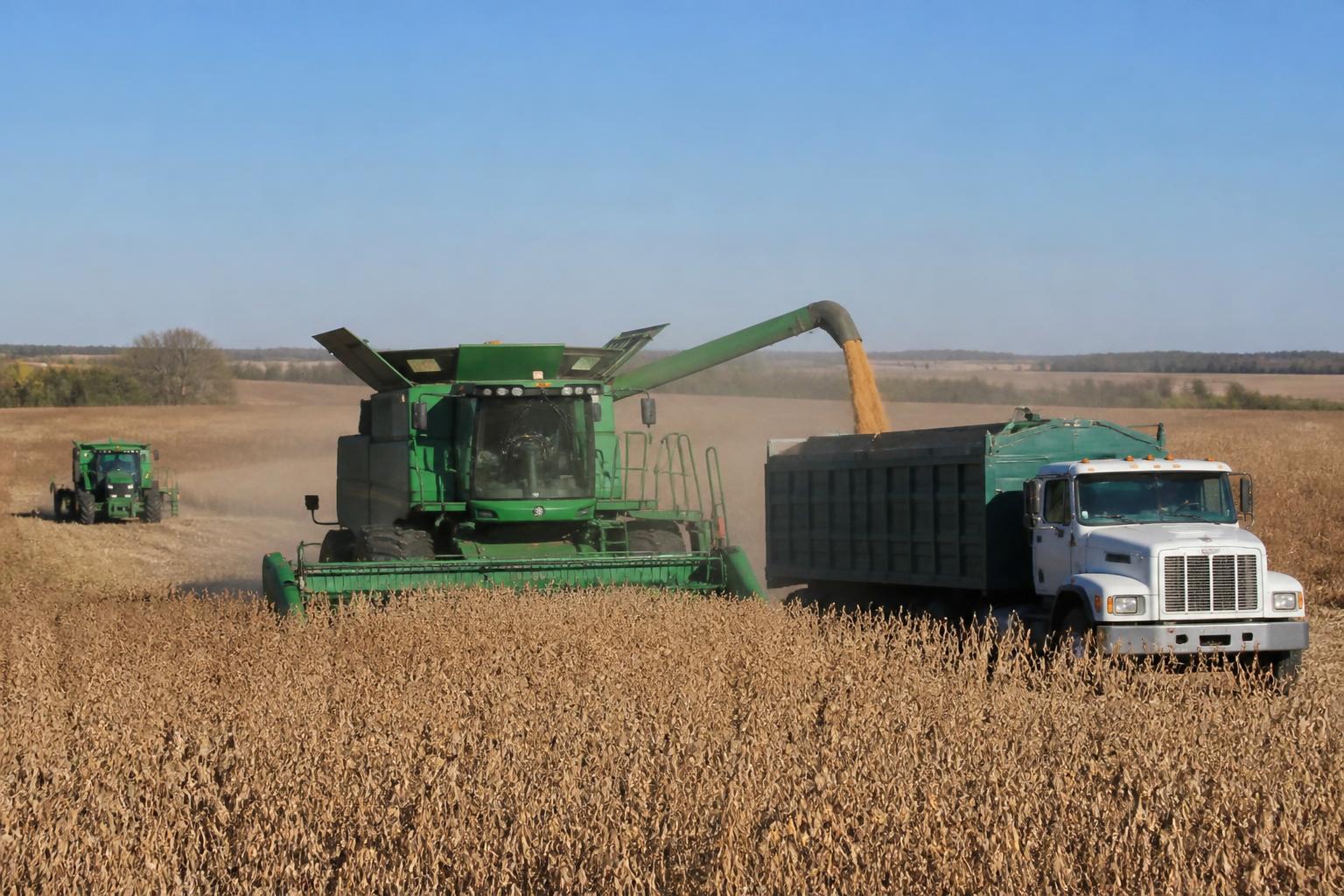
As the fall harvest winds down across Illinois, regional logistics remain a critical focal point for producers. While western Illinois has reported strong, above-average yields, the transition from field to elevator continues to test transportation infrastructure. With heavy grain movement across local corridors and interstate arteries, carriers and elevator managers are balancing the surge in volume against seasonal road weight restrictions and driver availability.
For those managing the final stages of the harvest, operational efficiency often hinges on optimizing fuel usage and scheduling. Producers are keeping a close eye on logistics and input management as they reconcile yield reports with the practicalities of storage and movement to market. The pressure on local transport networks typically intensifies during these final weeks, making communication with logistics providers essential for maintaining flow.
Input Costs and Market Sentiment
While the focus is currently on the physical movement of grain, the broader market remains sensitive to input expenses. As growers turn their attention toward the upcoming season, budget relief for fertilizers remains elusive. Coupled with the persistent burden of high diesel costs, producers are looking for ways to streamline operations without compromising the productivity of their acreage.
Strategic planning for the new year often involves a careful look at balancing export momentum against these rising costs. Market watchers are also monitoring USDA data, which has highlighted ongoing price gaps between various grain commodities, further complicating hedging strategies and long-term crop insurance decisions for many farms.
Looking Ahead: Strategic Planning
Beyond the immediate harvest, producers are evaluating their financial footing for 2027. Engaging with the latest developments in farm policy, such as the upcoming ARC/PLC enrollment decisions, will be vital as farms look to stabilize their bottom lines. Integrating new, sustainable technologies into the supply chain—such as those focusing on high-blend biofuel transport—may offer future opportunities to reduce the carbon footprint of moving grain from Illinois fields to distant terminals.
As operations shift toward post-harvest maintenance and field preparation, understanding the nuances of land activity and yield discrepancies will be crucial for effective resource allocation moving into the winter months.
What it means for the market
Producers should expect continued pressure on margins due to sticky input prices. While strong yields provide a buffer, logistics bottlenecks remain a wildcard for profitability. Focusing on flexible transport arrangements and detailed financial forecasting will be the difference-maker as the state's agriculture sector transitions into the off-season.
Comments
No comments yet - be the first to share your take.