
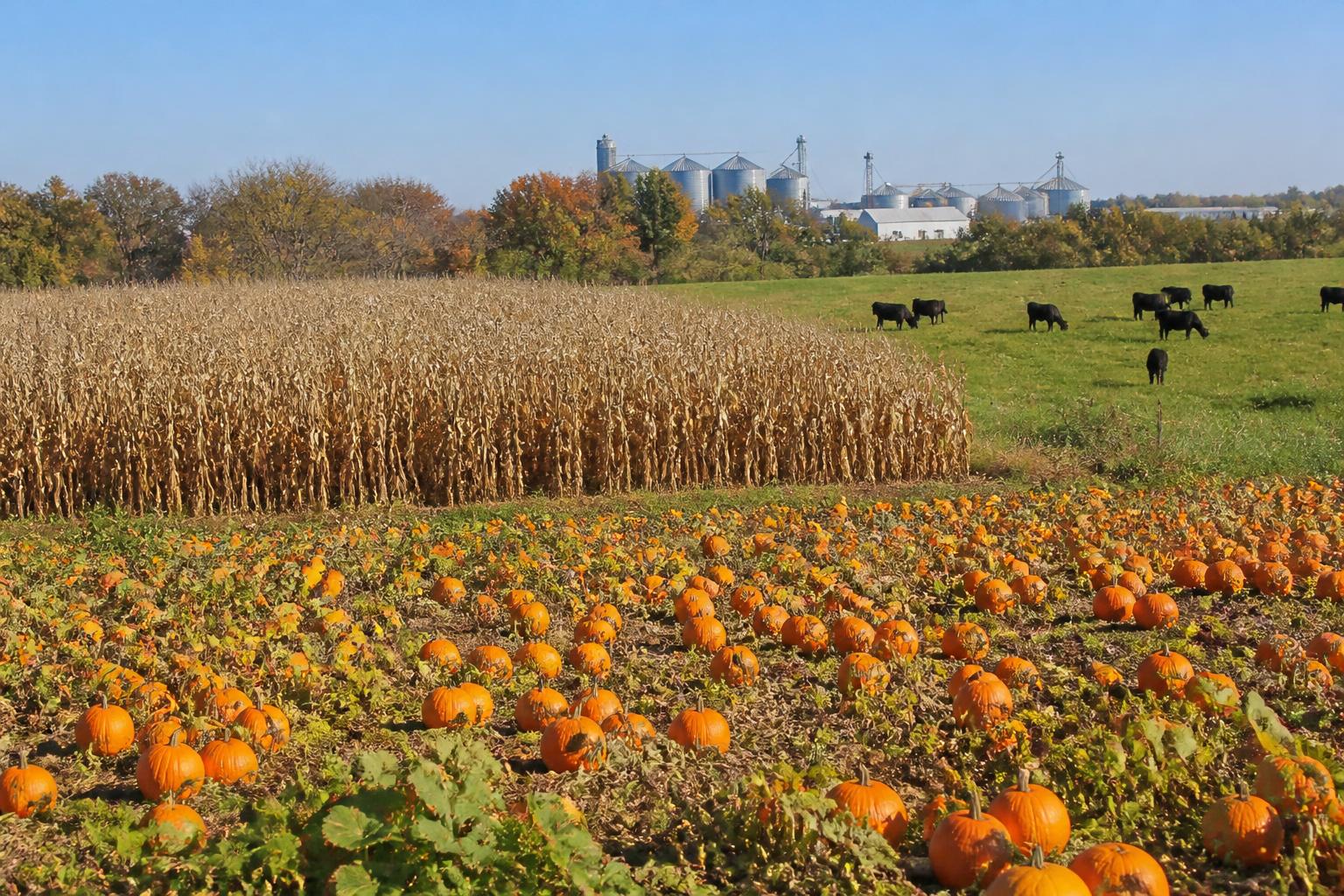
As harvest activities wrap up across New Mexico, producers are beginning to look toward seasonal input planning and fertility management. The agricultural supply chain remains a critical focus for growers in the state, particularly as global commodity movements influence local availability. Recent reports indicate the first arrival of Belarusian potash at a U.S. port in several years, a development that regional agribusinesses and grain handlers are watching closely to see if it eases long-standing supply constraints.
Managing Inputs in a Shifting Landscape
For New Mexico farmers, maintaining consistent soil health is essential, especially given the state's unique arid climate and intensive specialty crop production. While global supply chain adjustments may eventually impact price stability, local producers are encouraged to continue working with regional research centers, such as those operated by New Mexico State University, to refine nutrient application strategies. Leveraging research-based solutions is a primary way to optimize yields and manage overhead costs in a volatile economy.
Understanding how global trade affects your bottom line is vital; read more on how New Mexico agriculture faces shifting input and regulatory landscapes to stay ahead of regional challenges. Effective management often involves diversifying your supplier base and keeping a close eye on logistics, particularly as harvest-time transport can sometimes tighten in certain corridors.
Operational Resilience and Local Logistics
Beyond inputs, operational vigilance remains high. As producers navigate evolving requirements, staying informed on industry standards helps minimize disruption. For those involved in livestock, managing herd health and transport protocols remains paramount, especially with ongoing biosecurity concerns in the Southwest. Staying updated on current New Mexico ag sector biosecurity and input challenges can provide the necessary context for protecting your investments throughout the winter months.
What it means for the market
The potential entry of new potash supplies into the U.S. market could serve as a balancing factor for fertilizer costs, though regional basis and transportation costs will remain the primary determinants for New Mexico producers. As we move deeper into the fall, focus on securing essential inputs early and coordinating with local agronomists to align your fertility program with soil test results, ensuring that your operation is positioned for success when spring planting returns.
Comments
No comments yet - be the first to share your take.