
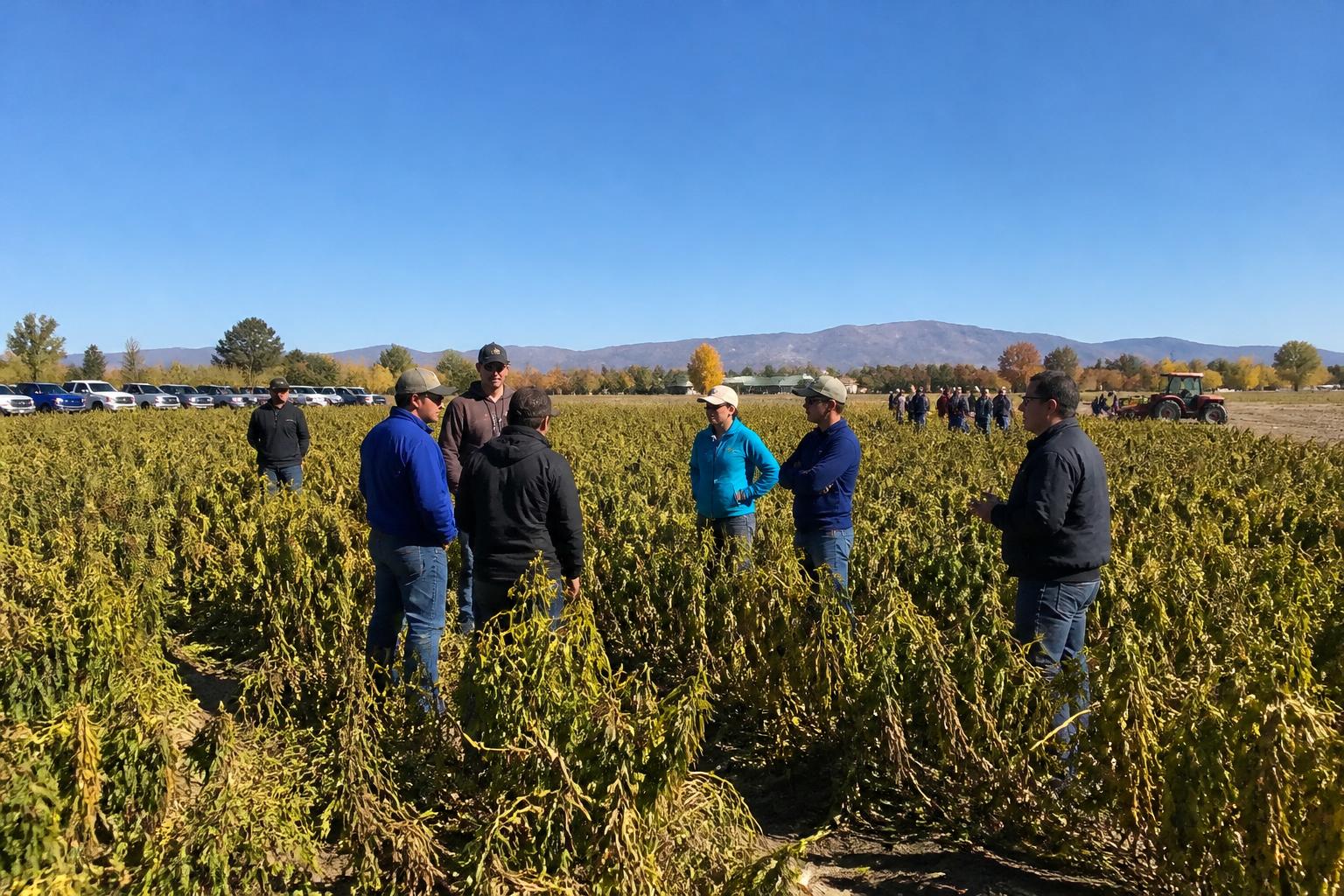
As harvest activity progresses across New Mexico, agricultural operators are increasingly focused on both the immediate demands of field work and the long-term stability of their input supply chains. Producers in regions such as the Mesilla and Pecos Valleys are navigating a complex environment where local operational priorities meet international market pressures. These challenges require a heightened focus on proactive resource management as the season draws toward a close.
Biosecurity and Market Pressures
For the state's livestock sector, recent reports regarding New World screwworm detections in neighboring regions have prompted a renewed emphasis on animal health monitoring and transport compliance. These logistical considerations regarding regional infrastructure and inspection are vital for maintaining the flow of trade while mitigating sanitary risks. Maintaining these strict protocols ensures that local cattle producers can continue to operate within the parameters of shifting trade and regulatory environments.
Input Supply and Crop Protection
The crop protection landscape continues to be influenced by global fluctuations in product availability and regulatory shifts. For farmers looking ahead to next season's requirements, understanding these evolving input trends and supply shifts is essential for effective budgeting and long-term planning. While procurement strategies often vary by farm size and specialty crop needs, the consensus among regional agribusinesses is that early assessment of chemical and fertilizer supplies can help insulate operations against potential market volatility.
What it means for the market
For New Mexico farmers and handlers, the current environment underscores the need for localized intelligence and supply chain vigilance. As the industry faces pressures from both rising operational costs and tightened biosecurity requirements, maintaining flexible, data-driven procurement strategies will remain a critical lever for profitability. Producers are encouraged to keep close tabs on updated regional bulletins and engage with established supply partners to navigate the remaining months of the year effectively.
Comments
No comments yet - be the first to share your take.