
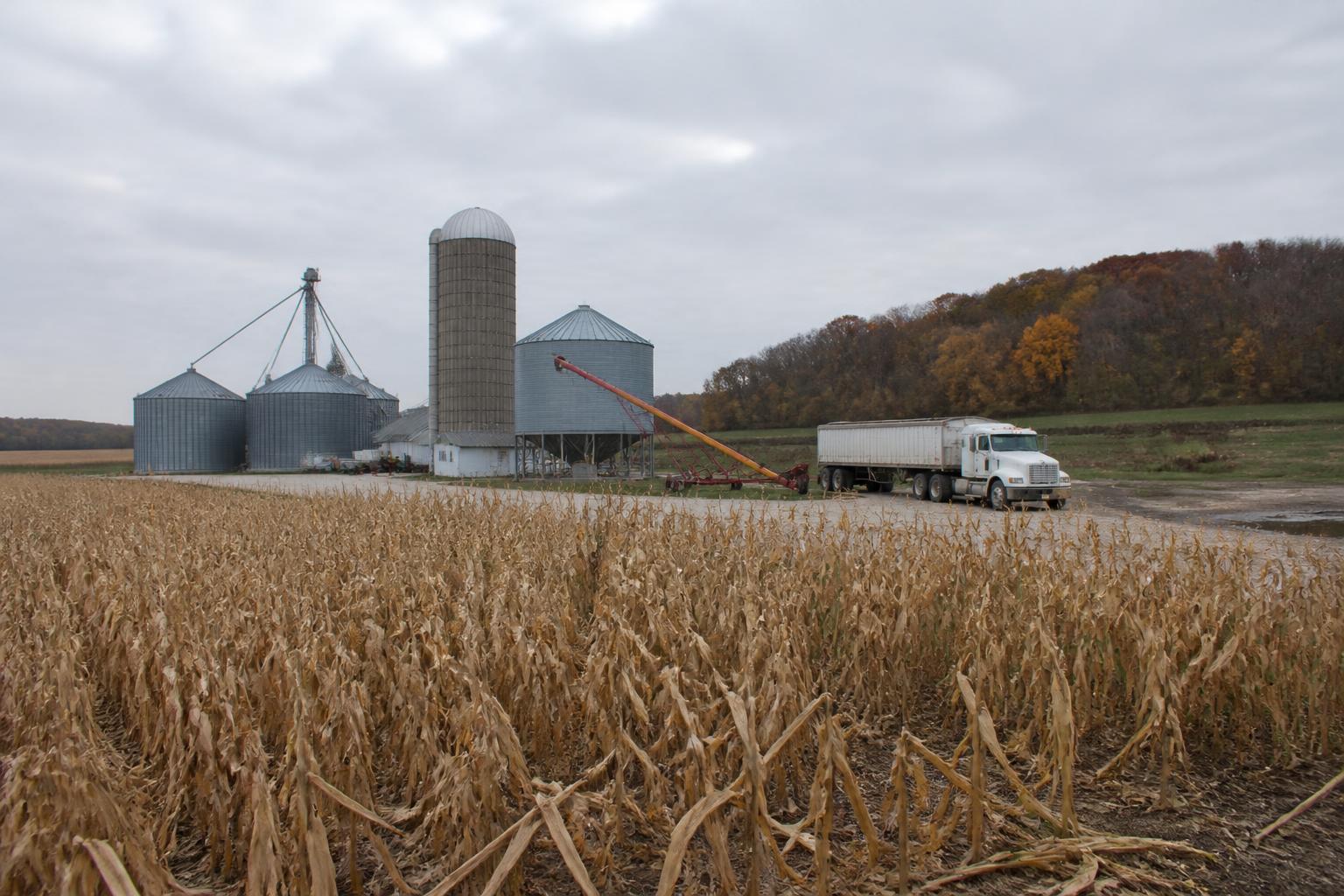
As the fall harvest season winds down across Utah, local growers are increasingly focusing on the critical phase of grain management. With unpredictable weather patterns, including the looming risk of early frost and shifting moisture levels, securing high-quality storage has become a primary strategy for those looking to avoid selling into seasonal price dips.
Properly conditioning and preparing storage bins is essential for maintaining grain integrity during the winter months. Growers are encouraged to check for structural integrity and ensure that aeration systems are fully functional to prevent moisture accumulation, which can quickly degrade crop quality and jeopardize premiums.
Managing On-Farm Logistics
For many operations in the state, the ability to store grain on-farm provides a significant buffer against transport bottlenecks and regional logistics constraints. As noted in recent reports regarding the broader shifts in Utah grain management, the flexibility to hold inventory allows farmers to respond more strategically to shifting trade frameworks and regional market access. Maintaining well-ventilated bins is not just about quantity; it is about protecting the investment until the market signals a more favorable exit.
Mitigating Environmental and Market Risks
Agricultural operations throughout Utah are currently navigating a complex environment where climate-related risks and global trade pressures intersect. Whether dealing with drought-impacted yields or adjusting to new federal incentive guidance like the 45Z premiums, keeping high-quality grain in controlled storage provides producers with the leverage needed to evaluate these evolving market conditions without being forced into immediate sales.
What it means for the market: Producers who prioritize proactive bin maintenance and storage efficiency are better positioned to weather the current volatility. By mitigating quality loss through proper aeration and timing market participation, Utah farmers can better navigate the competitive pressures of the late-year commodity cycle.
Comments
No comments yet - be the first to share your take.