
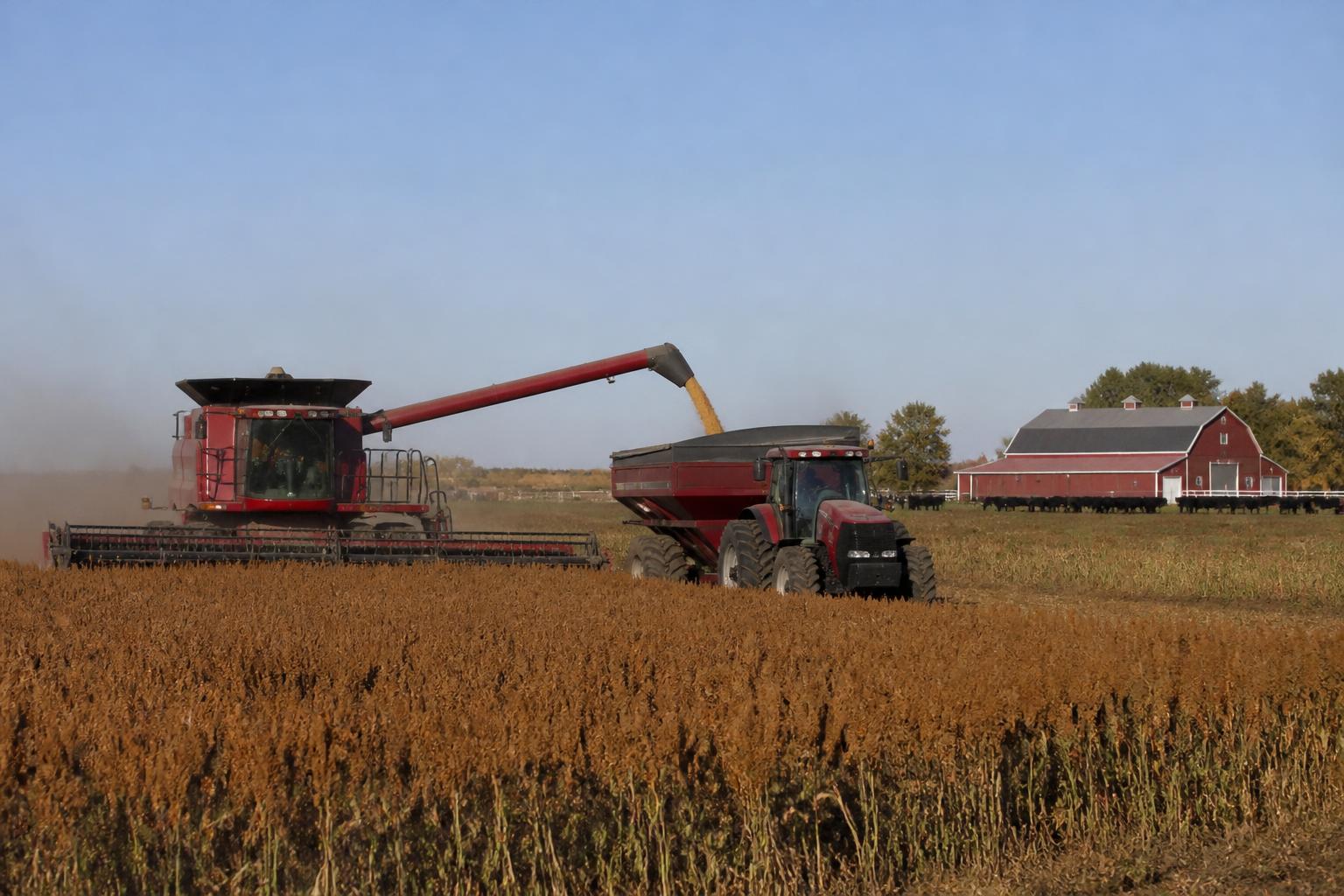
As the fall harvest winds down across Nebraska, many producers find themselves managing an atypical season. Weather patterns have introduced complexities into field operations, forcing farmers to stay agile as they finalize grain collection and transport. Beyond the field, efficiency in logistics has become a primary focus for those looking to sell grain in Nebraska during this period of variable market conditions.
Optimizing Delivery and Market Reach
With regional infrastructure under pressure, access to reliable delivery data is essential for maintaining margins. Recent initiatives, such as the expansion of sorghum delivery maps, are helping producers compare prices and identify optimal delivery points more effectively. These tools are proving vital as farmers navigate the logistical hurdles inherent in a busy harvest window, allowing for better-informed decisions regarding local elevator usage and transportation routes.
Innovation in Animal Agriculture
While grain producers focus on the harvest, the state's livestock sector continues to see shifts in production practices. Nebraska-based startups are increasingly applying new technologies to animal health, including advanced swine surveillance systems. These innovations represent a broader trend of leveraging local research and data to improve efficiency across the state's diverse agricultural sectors, from the corn and soybean fields of the east to the expansive grazing lands further west.
Focusing on On-Farm Research
As the industry looks toward future cycles, the exchange of knowledge remains a priority. The upcoming National On-Farm Research Summit in Lincoln is set to provide a platform for discussing best practices that could help mitigate the types of production irregularities observed this year. By integrating data-driven research with traditional farming expertise, Nebraska agribusinesses aim to strengthen their operational resilience against shifting seasonal demands.
What it means for the market
For Nebraska farmers and handlers, the combination of late-season logistical adjustments and improved market comparison tools offers a strategic advantage. Prioritizing efficient delivery routes and utilizing available price discovery resources can help capture value in a volatile grain market. As winter approaches, the focus is shifting from field management to the long-term stabilization of supply chains and the adoption of analytical approaches to production.
Comments
No comments yet - be the first to share your take.