
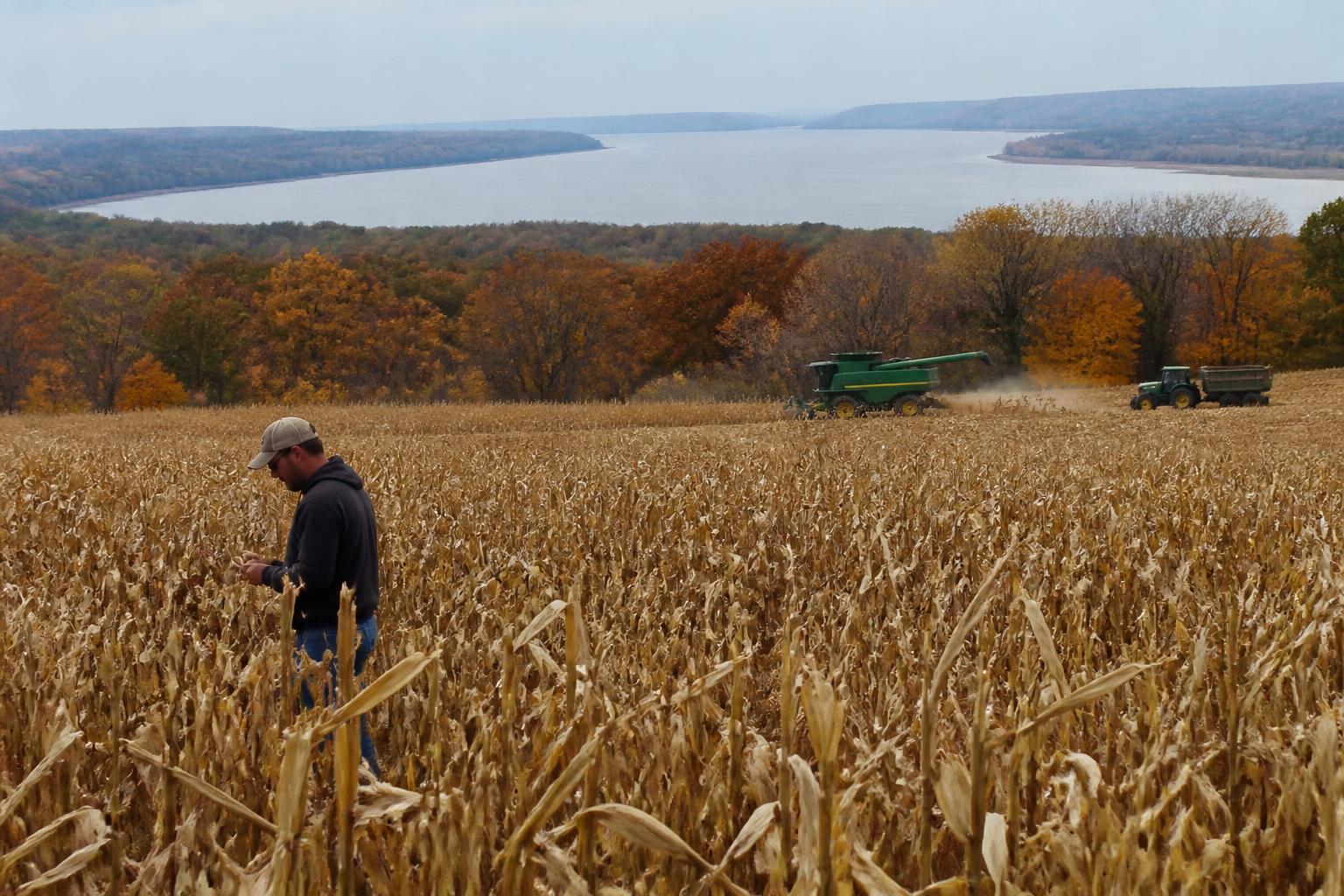
Utah's agricultural landscape is currently seeing a shift as growers assess the outcomes of the fall harvest. Amidst broader reports of national yield adjustments and fluctuations in commodity futures, local producers are increasingly looking for ways to stabilize their bottom lines. From the high mountain valleys to the broader basins of the state, the focus has moved toward identifying resilient crops and optimizing delivery logistics to mitigate high transport costs.
Diversifying for Resilience
In response to evolving weather patterns and market pressures, some producers in the region are exploring alternatives to traditional commodities. Interest in perennial grains and specialized crops like buckwheat is gaining traction among those seeking to hedge against environmental unpredictability. By diversifying planting rotations, growers aim to better manage soil health and potentially access niche market premiums, as outlined in our recent guide on soil health and water management strategies.
Managing Logistics and Inputs
Harvest logistics remain a significant pain point for Utah agribusinesses. High diesel prices continue to pressure margins, prompting many grain handlers to re-evaluate their delivery strategies and site selection to minimize long-distance hauling. Simultaneously, the input side of the market is under close scrutiny. Producers are closely tracking domestic fertilizer supply developments and evaluating the impact of new grants aimed at regional potash production. For those looking to optimize their current operations, understanding the nuances of domestic fertilizer supply and efficiency remains a critical component of seasonal planning.
What it means for the market
The convergence of higher crop yield forecasts at the national level and local input cost pressures creates a complex environment for Utah farmers. Success this season will likely depend on a combination of strategic crop selection and aggressive management of logistics. As we move further into the fall, producers should prioritize evaluating their storage capacity and exploring direct-to-market opportunities to offset the volatility currently observed in larger commodity trading cycles.
Comments
No comments yet - be the first to share your take.