
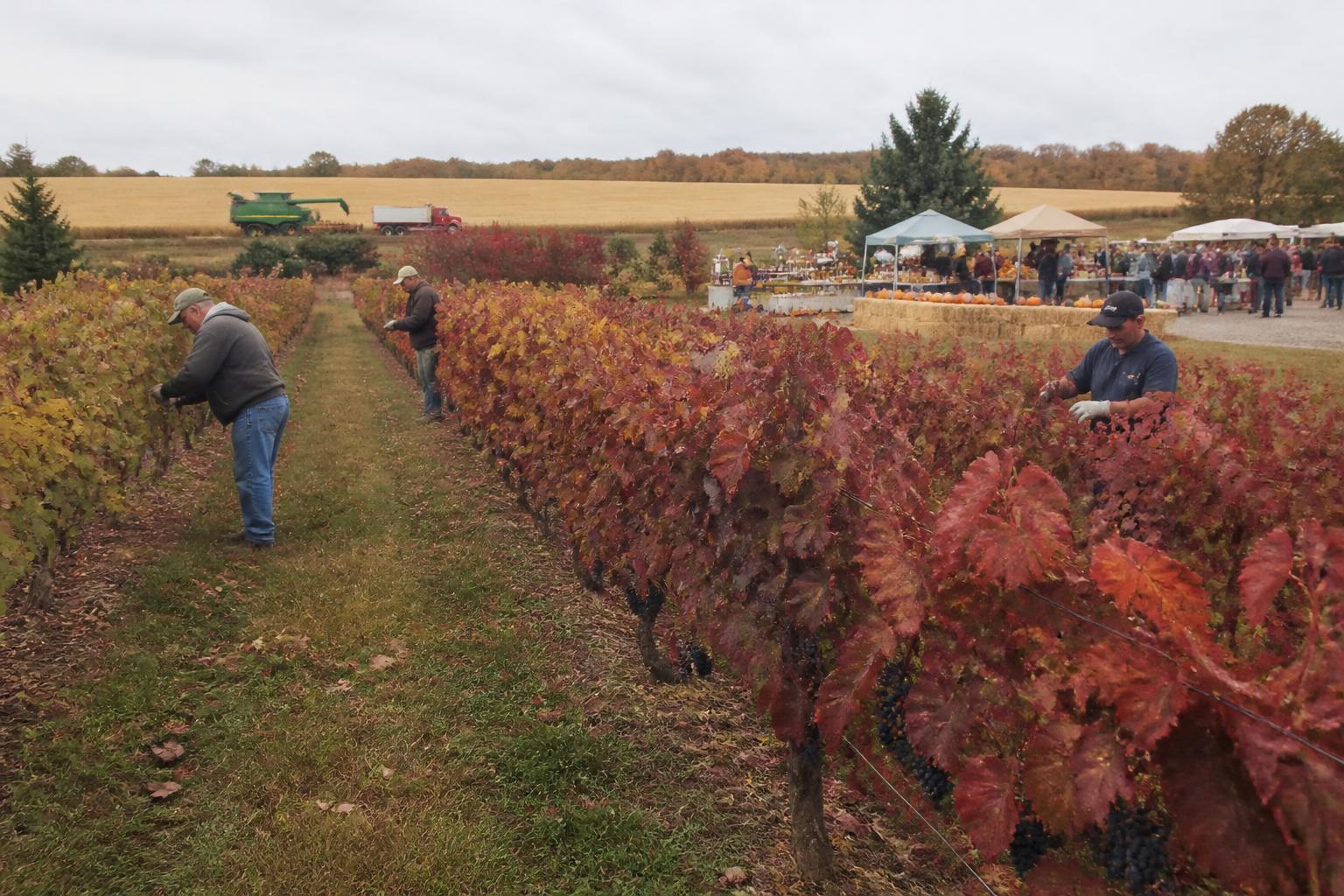
As the fall harvest season winds down across California, growers and agribusinesses are shifting their focus from field productivity to year-end financial assessments. Recent market trends suggest that despite steady operational activity, the broader agricultural economy is under significant pressure due to persistent inflation in essential inputs, particularly diesel and fertilizer.
For many California farmers, managing these rising expenditures is becoming a critical component of long-term viability. The current cost environment, characterized by high logistical and production expenses, is prompting a strategic review of resource allocation. This fiscal tightening is forcing operations to prioritize efficiency and consider how fluctuating input pricing impacts their overall bottom line heading into the next planning cycle.
Adapting to Input Cost Volatility
The strain on farm finances is not isolated to specific crops, though the impacts vary across regions. In some parts of the state, growers are looking closer at their supply chain management to mitigate the effects of expensive fertilizers. This is particularly relevant as producers evaluate how to balance the need for high-quality yields with the reality of market-driven cost hurdles, a theme explored further in our coverage of California fertilizer outlooks.
Technology adoption also plays a role in how modern operations attempt to optimize their input usage. By focusing on precision application, growers are increasingly looking for ways to reduce waste, which serves as both an environmental and financial imperative. Enhanced awareness of spray technology and precision tools remains a focal point for those looking to offset rising production costs.
Resource Management in a Changing Landscape
Beyond inputs, land and water management continue to dictate the long-term potential for California growers. As discussions regarding land preservation and regulatory compliance intensify, stakeholders are forced to weigh the benefits of investment against the backdrop of an uncertain regulatory climate. Maintaining a stable production base while navigating these complex requirements is a key concern for producers aiming for operational longevity, as discussed in our analysis on building agricultural resilience.
What it means for the market
For grain handlers, input buyers, and field operators, the message is clear: the current market requires a disciplined approach to expenditure. With profit margins feeling the pinch from energy and chemical costs, the ability to control operational costs and maximize the efficiency of every acre will be the primary driver of success in the coming months. Expect continued emphasis on cost-saving innovations and strategic resource management as the sector prepares for the 2027 season.
Comments
No comments yet - be the first to share your take.