
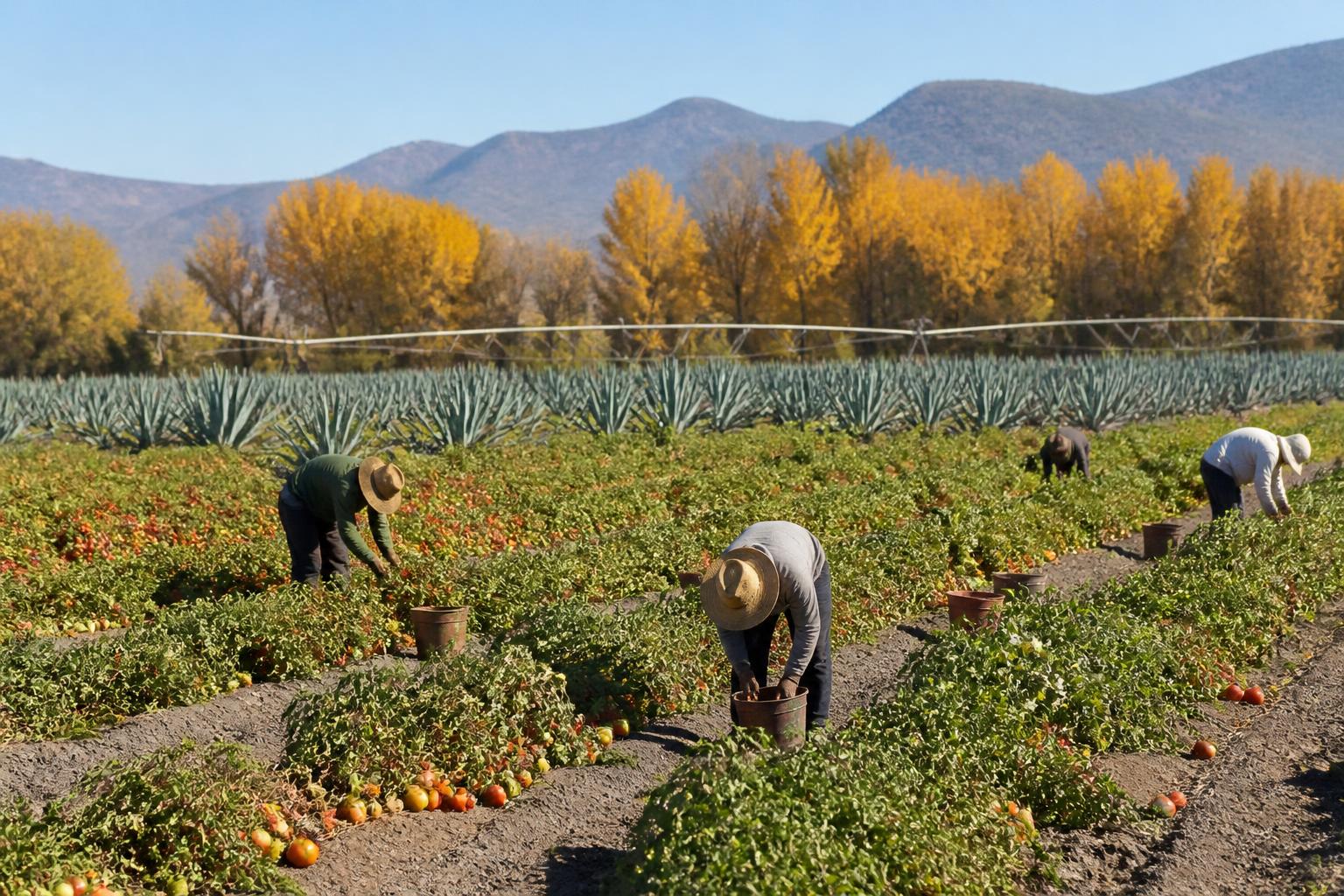
As California enters the tail end of the harvest season, the state's agricultural sector remains at a critical juncture. Producers are currently balancing the immediate pressures of fall operations with long-term strategic planning, particularly concerning the dual challenges of water security and an evolving regulatory environment. For many, the focus has shifted toward operational efficiency and risk mitigation as the industry looks toward the next production cycle.
Resource management remains a top priority, with recent discussions emphasizing the necessity of proactive groundwater recharge and efficient irrigation infrastructure. These efforts are often viewed as essential components in maintaining stability amidst the volatility of California's water delivery systems. Simultaneously, growers are increasingly exploring technological integration in crop protection to optimize inputs and stay ahead of stringent compliance standards that can impact operational costs.
Navigating Supply Chain and Regulatory Pressure
Supply chain reliability continues to be a central theme for agribusinesses across the state. Whether moving fresh produce through coastal ports or transporting grain through regional corridors, logistics remain a sensitive point for margins. Farmers are also keeping a close watch on legislative developments that could influence input availability and overall tax burdens. The intersection of federal funding opportunities and state-level policy shifts means that staying informed on regulatory changes is no longer optional for maintaining farm viability.
The Role of Infrastructure in Modern Agriculture
Beyond the field, the role of local agriculture and weights and measures departments has become increasingly vital for ensuring fair market practices. From the San Diego region to the northern valleys, maintaining standardized, reliable measurement equipment helps farmers protect their bottom line during harvest and transport. Furthermore, investments in new, drought-resilient crop varieties are beginning to gain traction as part of a broader shift in how California agriculture adapts to its changing environment.
Key Takeaways
- Water management and groundwater sustainability remain the primary drivers of long-term planning for California producers.
- Regulatory compliance continues to increase demand for precision ag tech and smarter, data-driven protection strategies.
- Logistics remain a key volatility point; consistent monitoring of transport routes and local infrastructure is essential for minimizing costs.
What it means for the market: For grain handlers, input buyers, and carriers, the current climate necessitates a high degree of agility. As regulatory landscapes shift and resource costs remain elevated, businesses that prioritize supply chain transparency and early planning will likely find themselves in a stronger competitive position throughout the winter months.
Comments
No comments yet - be the first to share your take.