
For California farmers, the current market climate brings a familiar set of challenges as they look toward future crop cycles. Recent reports suggest that fertilizer prices are expected to remain elevated through 2028, a trend that is forcing many producers to re-evaluate their input management strategies. In the Central Valley, where water costs and regulatory compliance already weigh heavily on operational budgets, the added pressure of volatile fertilizer pricing is top of mind for many managers.
Market uncertainty, compounded by geopolitical factors, has created a complex environment for both independent farmers and larger operations. While some growers continue to focus on traditional soil fertility management, others are exploring new efficiencies to mitigate rising expenses. Navigating these economic shifts requires a keen eye on balancing input security with ongoing regulatory mandates that are characteristic of the current California agricultural landscape.
Adapting to Market Pressures
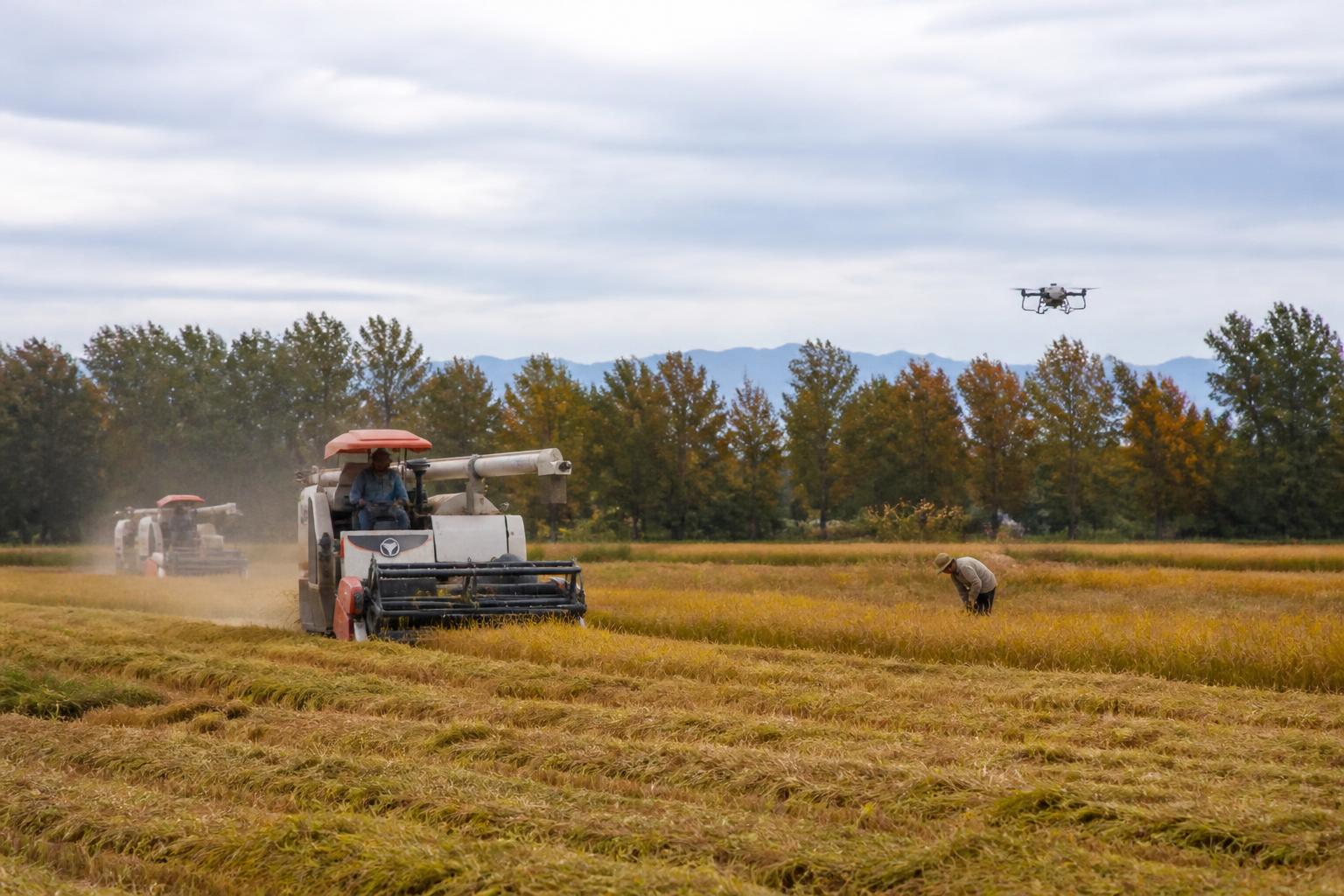
The persistence of high costs has driven increased interest in precision agriculture and innovation. Technologies such as drone spraying have seen significant adoption as growers look to maximize the efficacy of every pound of fertilizer applied. Furthermore, the industry is increasingly turning to educational resources and localized innovation networks to share best practices for soil health and resource management.
Despite the supply chain hurdles that often affect regional logistics, there is a clear push toward localized resilience. The focus remains on maintaining the integrity of crop production while managing the financial risks that accompany a globalized input market. Producers are encouraged to maintain close relationships with their local suppliers and cooperatives to stay ahead of potential supply shifts or pricing updates as we move deeper into the fall season.
What it means for the market
Growers should expect a sustained period of price sensitivity and should prioritize early procurement planning where storage allows. By integrating data-driven applications and closely monitoring regional supply trends, producers can better position themselves against continued market volatility while safeguarding the long-term productivity of their land.
Comments
No comments yet - be the first to share your take.