
Navigating Financial Headwinds
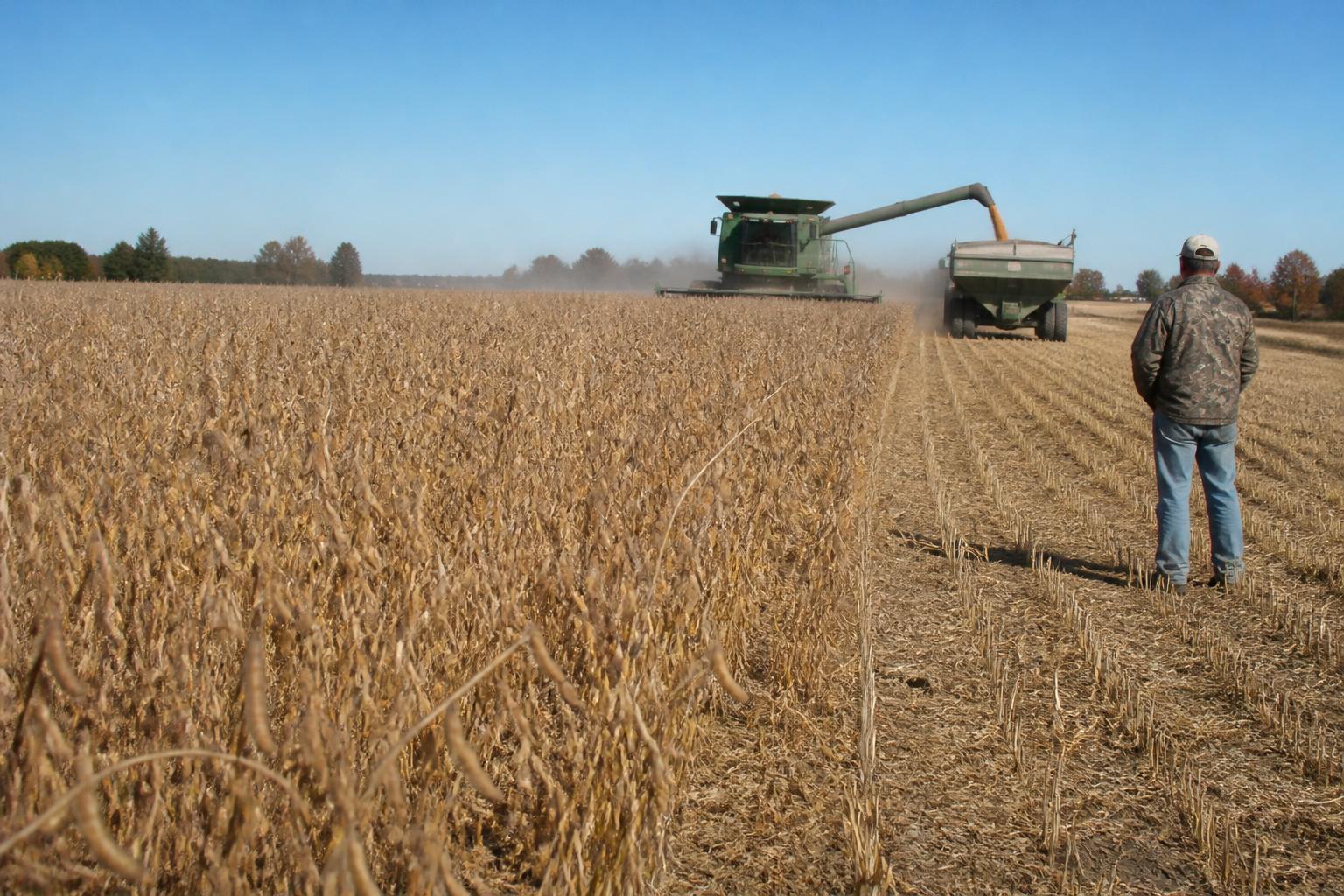
As the fall harvest season progresses across Kentucky, many producers are turning their attention toward financial reconciliation. While field operations remain the priority, recent reports indicate that rising costs for essential inputs, particularly diesel and fertilizer, are creating a tighter margin for many local agricultural operations. Understanding these shifts is vital for managing the evolving Kentucky grain landscape effectively as we head into the winter months.
The Impact of Input Inflation
The current volatility in energy and chemical prices is a recurring theme for agribusinesses throughout the Bluegrass State. Farmers often find that even with stable yields, the escalating cost of logistics and crop inputs requires a more disciplined approach to budgeting and forward contracting. These challenges are not unique to any single region of Kentucky, though logistics costs can vary depending on proximity to major grain elevators and transport corridors.
Logistical Considerations for Kentucky Producers
Efficient movement of the current crop remains a focal point as producers work to optimize their logistics. Whether moving product to local storage or preparing for regional transport, keeping a close watch on fuel-related overhead is essential for maintaining liquidity. For those interested in deeper insights, recent trends in navigating Kentucky's agricultural landscape highlight how regional logistical constraints can influence final profit margins for the season.
What it means for the market
For Kentucky farmers and grain handlers, the current financial environment underscores the need for proactive cost management. As input prices continue to squeeze net farm income, prioritizing operational efficiency and strategic procurement for the next planting season will be critical for maintaining long-term sustainability in the regional market.
Comments
No comments yet - be the first to share your take.