
As we move through the heart of the fall harvest in Kentucky, producers are increasingly focused on both immediate logistical demands and long-term financial stability. With field operations in full swing across the Commonwealth, the intersection of traditional grain management and diversifying market trends remains a primary concern for agribusinesses and individual operations alike.
Economic conditions continue to challenge the sector, prompting agricultural experts to emphasize strategic resource management. Understanding how to maintain operational resilience during periods of economic downturn is essential for ensuring that Kentucky farms remain competitive through the winter months and beyond. For more insights into navigating these broader financial shifts, producers can review the latest guidance on market fluctuations and seasonal logistics.
Adapting to Diversified Market Opportunities
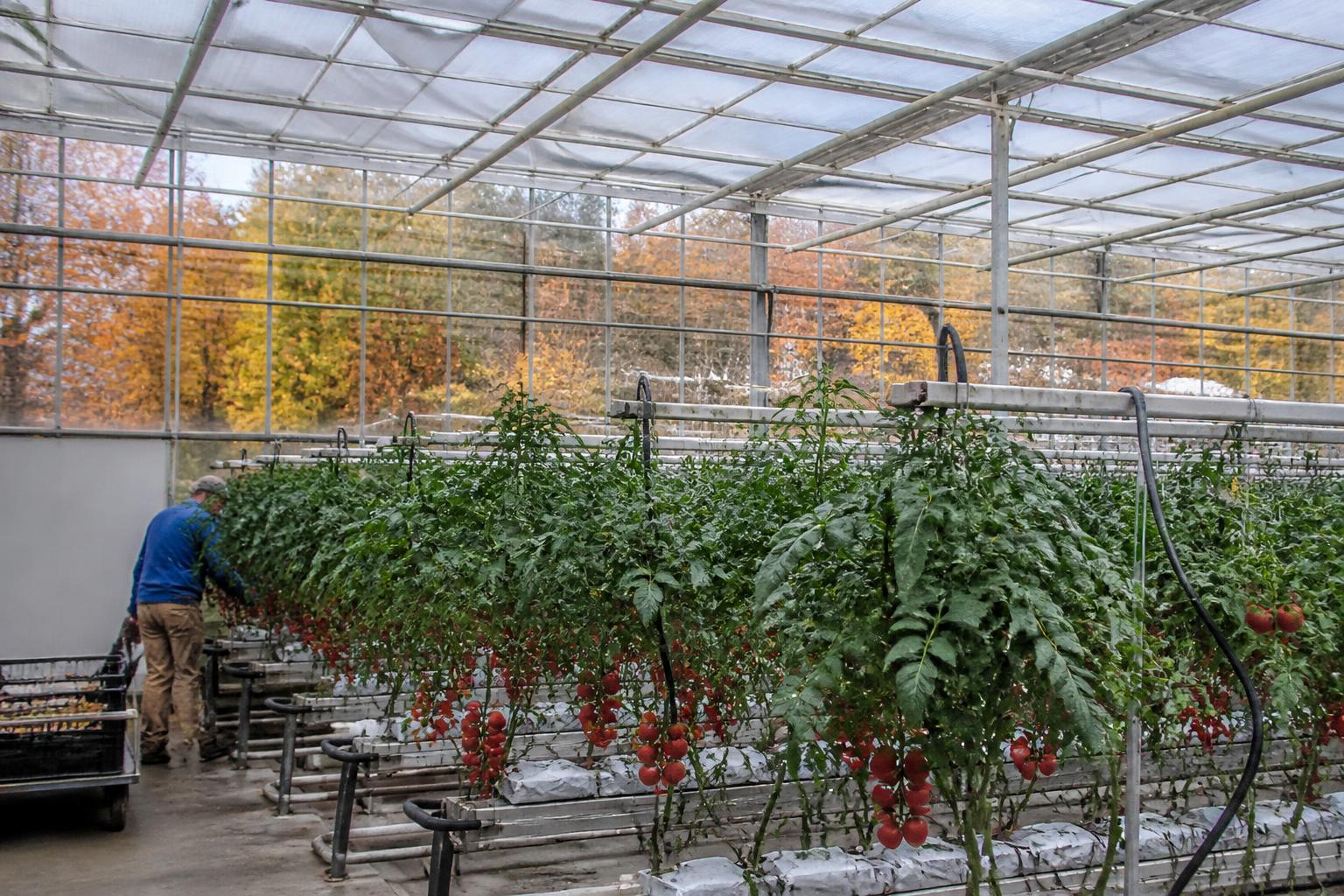
Beyond traditional row crops, there is ongoing interest in how alternative sectors contribute to the state's economic fabric. The growth of the bioscience industry in Northern Kentucky and across the region highlights a potential shift in how we view value-added agriculture. While industrial hemp continues to face scrutiny due to market challenges, the integration of high-tech production and specialty crops offers a glimpse into how some operations are diversifying their output to mitigate risk.
Managing these shifts requires a keen eye on infrastructure and local transportation capacity. As producers weigh the costs of storage and distribution, staying informed about infrastructure funding and regional support remains a critical component of annual planning.
Logistics and Resource Management
The fall season naturally brings a heightened focus on the movement of goods from field to bin and, eventually, to market. Whether handling grain or exploring new avenues in specialty shipping, the reliability of our transportation network is the backbone of Kentucky's harvest success. Efficiency during this window is rarely just about speed; it is about deliberate, informed decision-making that accounts for current economic realities.
Producers are encouraged to revisit established crop management and logistics protocols as they wrap up their end-of-year activity. By aligning storage strategies with current market volatility, farmers can better position their assets for the coming season.
What it means for the market
The Kentucky agricultural market is currently defined by a need for caution and innovation. As producers manage the final stages of the fall harvest, the priority remains on financial health and operational agility. Balancing traditional production with emerging regional opportunities will likely serve as the primary strategy for those looking to strengthen their foothold in the state’s evolving agricultural economy.
Comments
No comments yet - be the first to share your take.