
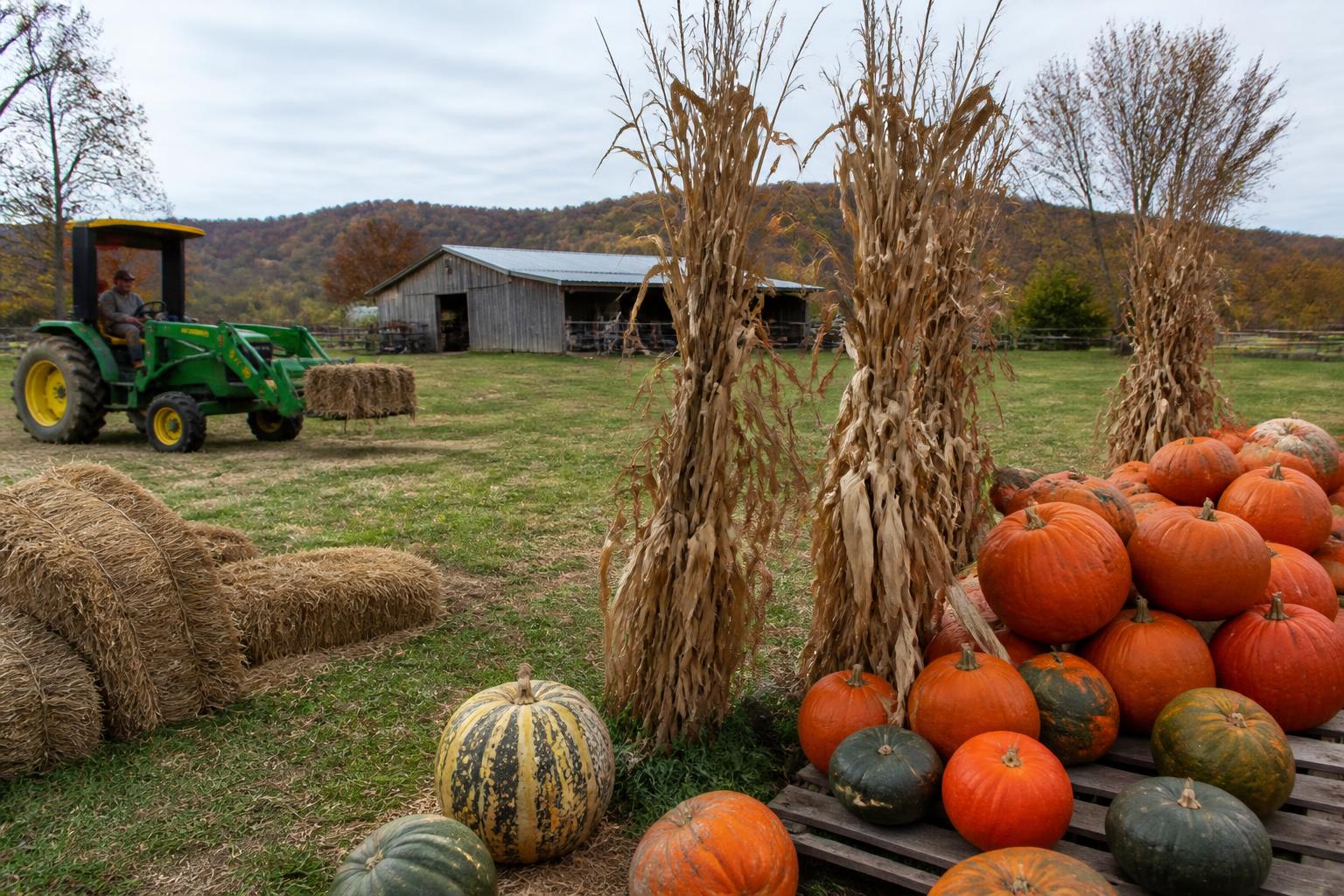
Kentucky agriculture is currently undergoing a notable transition. As producers move further away from the state's historical dependence on tobacco, the focus has shifted toward more diverse and resilient grain production systems. This shift is reshaping how local elevators and logistics providers manage harvest flow, especially as farmers adopt new rotational patterns and alternative crop varieties.
The current environment reflects a broader trend of agricultural innovation in the region. Recent recognition for outstanding farming practices highlights the ongoing commitment to efficiency and sustainability within Kentucky's grain and livestock sectors. Producers are increasingly looking at market-driven shifts and seasonal logistics to ensure they remain competitive in a changing global landscape.
Expanding Opportunities in Crop Management
The diversification of Kentucky's fields includes a renewed interest in specialty crops and consistent demand for core grains. While traditional commodities remain the backbone of the state's agricultural economy, the integration of new sectors like hemp production depends heavily on future legislative stability. For grain handlers, this means maintaining the flexibility to accommodate varying crop profiles, which can impact storage and drying operations during the busy autumn harvest season.
The Logistics of Modern Kentucky Farming
As the state moves deeper into the harvest cycle, efficiency at the point of delivery is paramount. Whether moving grain to local elevators or supplying regional markets, Kentucky's transportation network often faces the typical seasonal pressures seen in mid-Atlantic agricultural corridors. Proactive communication between farmers and storage facilities often helps mitigate bottlenecks, particularly during weeks of high volume. Ensuring that equipment and storage capacity are prepared for diverse yields is a priority for many agribusinesses across the Commonwealth.
What it means for the market
Kentucky producers are increasingly focused on long-term viability through diversification. For the grain market, this signals a need for adaptable infrastructure and a sophisticated understanding of regional supply chains. By balancing traditional production with emerging agricultural opportunities, Kentucky farmers are positioning themselves to withstand market fluctuations while maintaining the productivity that defines the state's agricultural reputation.
Comments
No comments yet - be the first to share your take.