
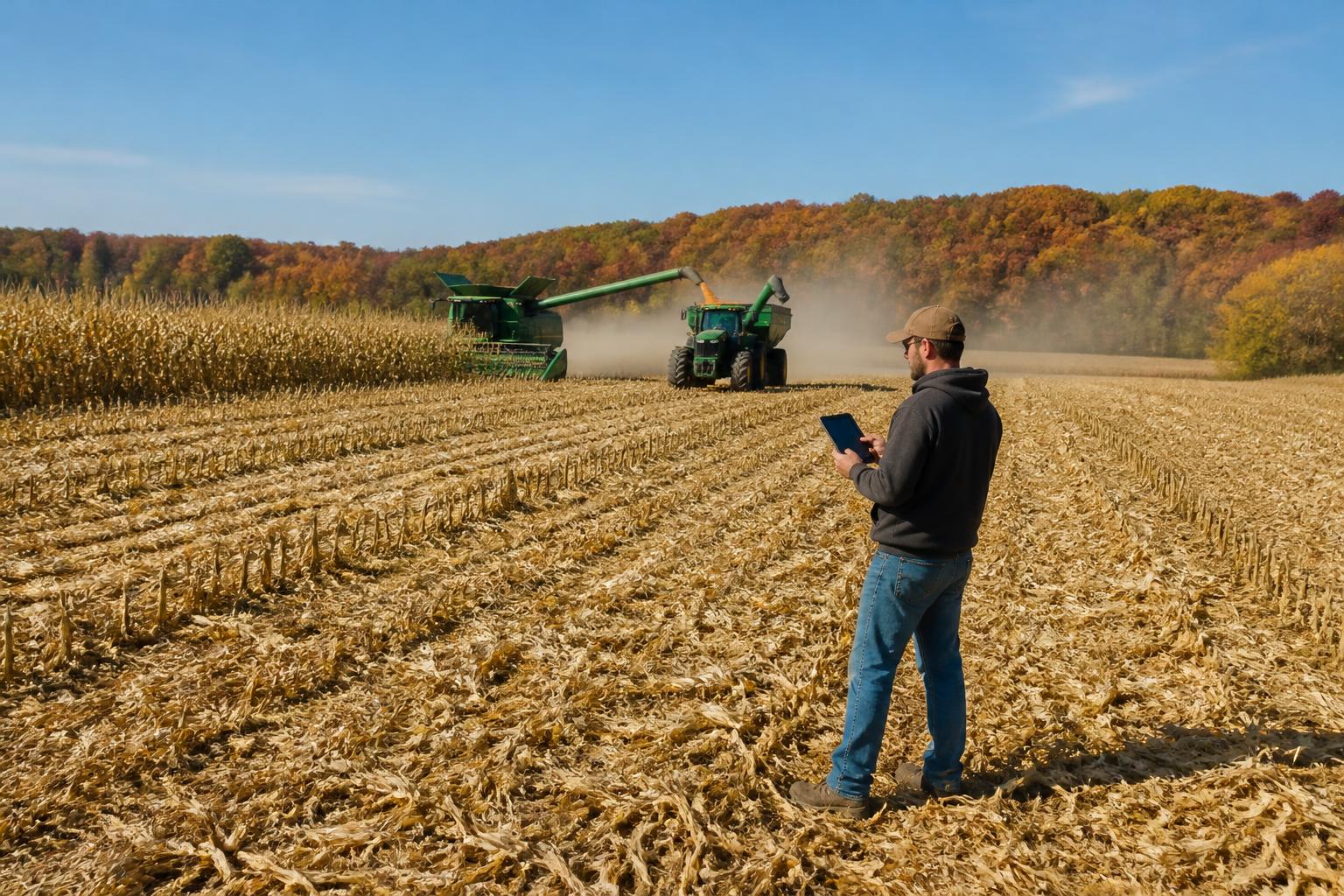
Adapting to Evolving Risk Profiles
For New Hampshire agricultural producers, managing the financial risks of an unpredictable climate is becoming as vital as crop management itself. As we move through the tail end of the fall season, many operations are evaluating their risk mitigation strategies, focusing on how data-driven tools can offer more stability in a volatile market. The integration of advanced analytics into insurance underwriting is beginning to reshape how farms approach tightening logistics and seasonal transitions.
The Role of Precision Data in Crop Protection
Modern insurance providers are increasingly turning to AI to refine their models, potentially lowering premiums for farmers who can demonstrate better risk management through precision agriculture. By utilizing hyper-local data—ranging from soil moisture levels to specific pest pressure trends—growers may find more personalized coverage options. This precision approach is particularly relevant as producers address seasonal crop protection challenges that impact both yield and bottom-line security.
Navigating Economic Pressures
Beyond insurance, the broader economic landscape remains a primary concern for local growers. Rising operational costs, particularly surrounding energy and fuel expenditures for equipment and transport, continue to influence seasonal planning. While high-tech solutions in insurance aim to protect margins, the day-to-day pressure of managing fuel volatility alongside insurance premiums requires a balanced view of both risk transfer and direct operational efficiency.
Key Takeaways for Local Growers
- AI Adoption: Investigate how precision farm data can be integrated into your insurance policy to potentially lower premium costs.
- Risk Evaluation: Review your current coverage against the backdrop of recent climate-related operational disruptions.
- Efficiency Focus: As fuel costs remain a significant burden, prioritize energy-efficient equipment maintenance for the upcoming off-season.
What it means for the market
The movement toward AI-powered insurance represents a shift toward more individualized risk assessment in the New England agricultural sector. For New Hampshire producers, this means that data accuracy is no longer just about optimizing yields; it is a critical component of financial resilience. As the industry evolves, those who leverage their farm's performance data will likely find themselves in a better position to navigate shifting costs and sustain long-term profitability.
Comments
No comments yet - be the first to share your take.