
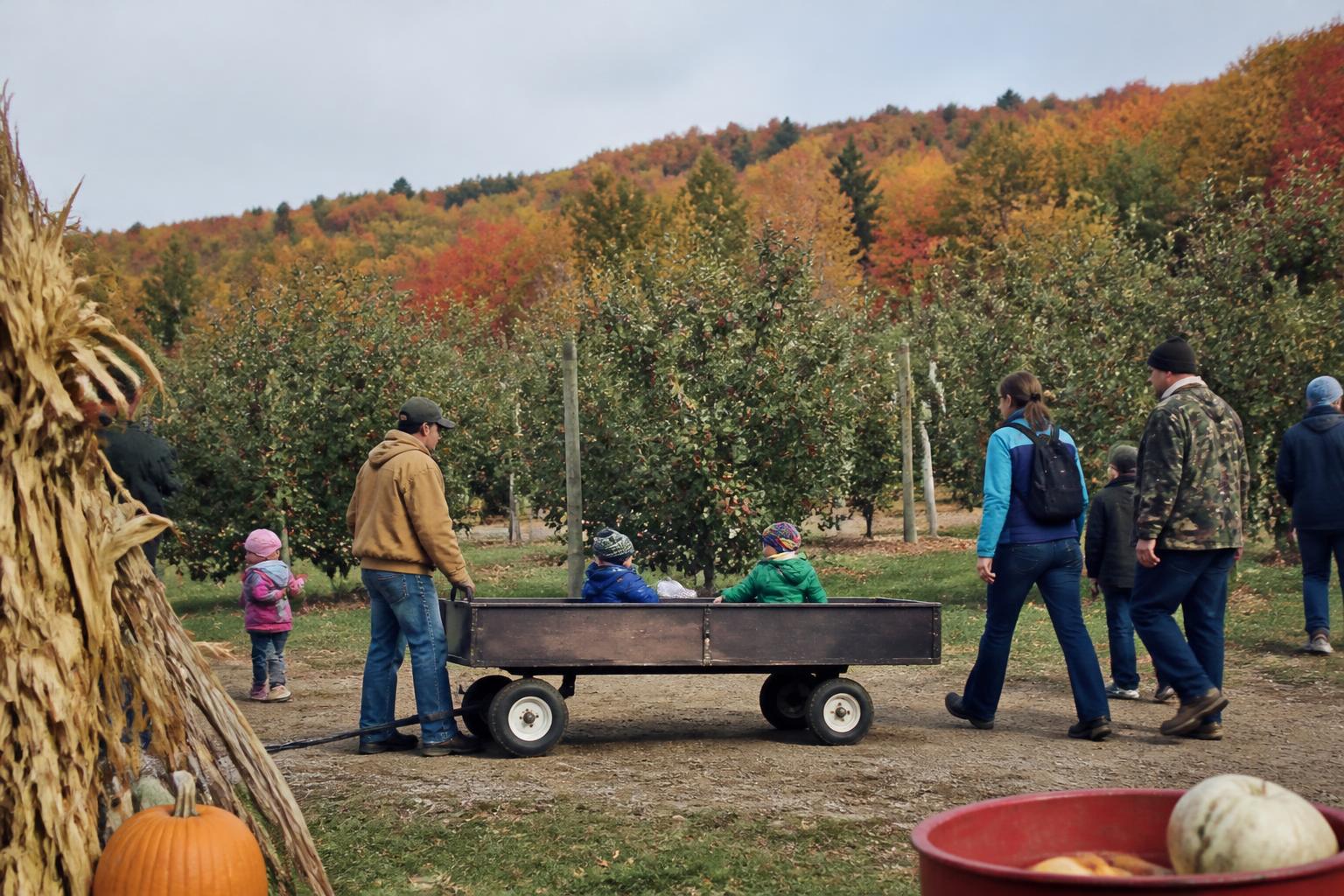
As the final crops move from the fields to the bins, New Hampshire producers are wrapping up a busy harvest season. From the bustling activity at local orchards like Applecrest Farm in Hampton Falls to the final weeks of corn mazes at regional destinations, the state’s agricultural landscape is entering a period of critical maintenance and planning. While the focus remains on closing out the current cycle, many growers are already evaluating their strategies for soil enrichment and crop defense.
The current environment has prompted a closer look at sustainable input management. As some New Hampshire farmers navigate shifts in fertilizer availability and costs, creative alternatives—including experimental nutrient recycling programs—have gained attention. These practices, when integrated into fall field preparation, may help producers manage input expenses while preparing the ground for the next planting window.
Adapting to Evolving Protection Needs
Integrated crop management remains a priority as the industry faces shifting climate and pest pressures. Whether dealing with soil-borne pathogens or managing nutrient loads, the move toward selective biological solutions is mirroring international trends. Many local growers are exploring how these specialized products can supplement traditional methods, offering an extra layer of security that can be particularly valuable in volatile growing years. For those interested in broader regional developments, recent discussions have highlighted new strategies for mitigating PFAS and managing common agricultural pests to maintain farm viability.
Infrastructure and Future Planning
Beyond the field, the stability of the state's processing infrastructure continues to be a point of analysis. As New Hampshire farmers look to build long-term resilience, the ability to balance production volume with local processing capacity remains a delicate task. This is especially true for meat producers and specialty growers who rely on consistent, localized supply chains to reach their consumer base. As winter approaches, the focus typically shifts to administrative tasks, equipment winterization, and attending regional planning forums where best practices for the coming year are shared.
What it means for the market
For New Hampshire agribusinesses, the current market climate rewards foresight and adaptability. With input costs fluctuating and consumer demand for local goods remaining steady, producers who prioritize efficient resource use and soil health during this fall transition are better positioned for the next season. Staying informed on regional research and emerging biological tools will likely be a competitive advantage as the industry moves into 2027.
Comments
No comments yet - be the first to share your take.