
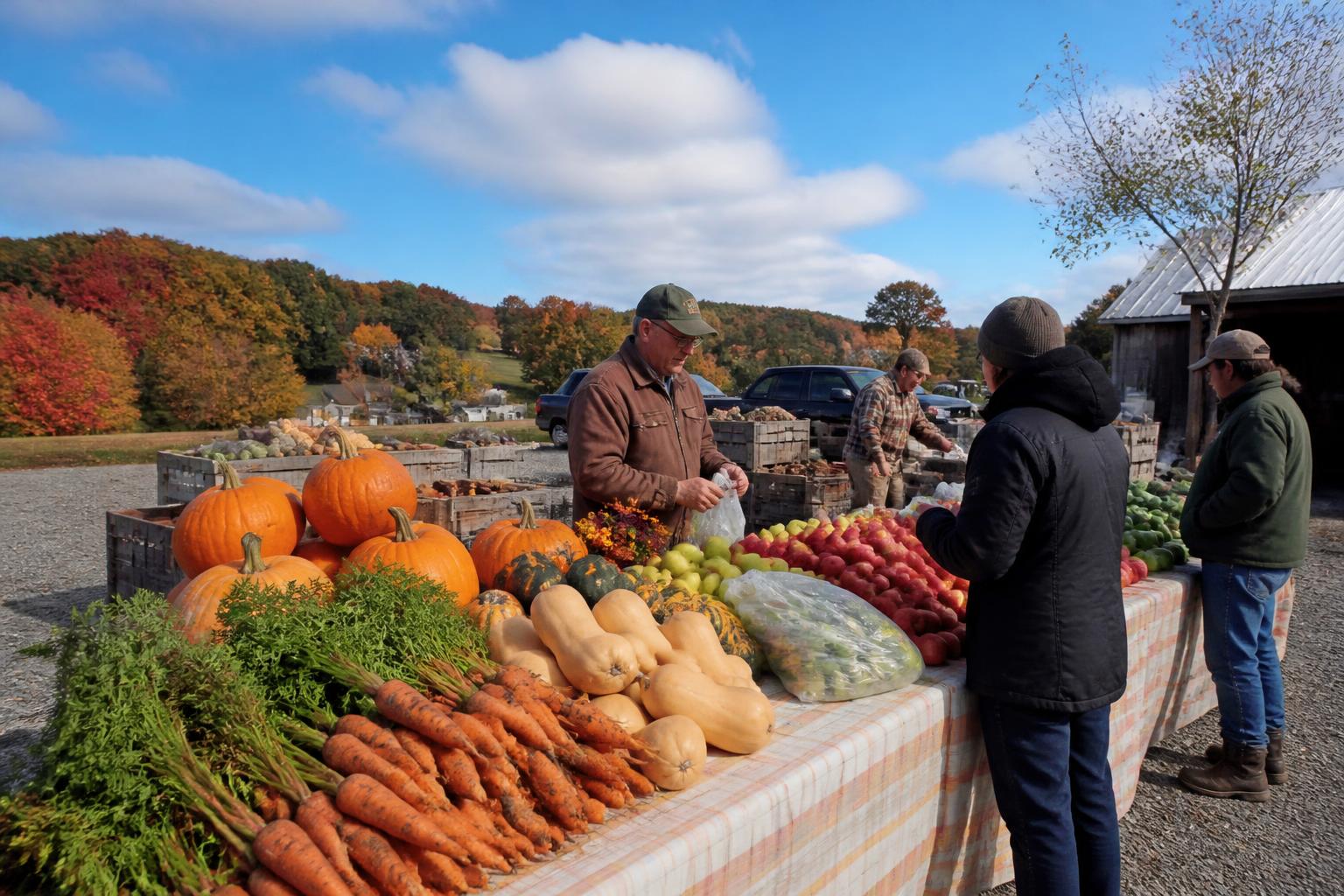
As the fall season wanes, the agricultural rhythm in New Hampshire shifts from peak harvest to essential maintenance and winter preparation. For many producers across the state, this time of year often involves securing high-tunnel infrastructure and finalizing the logistics for transporting late-season yields to storage or local markets. Whether operating in the rolling fields of the Upper Valley or near the coastal areas of the Seacoast, regional farmers are increasingly prioritizing resilience as the landscape prepares for winter frost.
Managing Emerging Agricultural Threats
The state has recently seen increased focus on biosecurity and integrated pest management, particularly with efforts to address the presence of the spotted lanternfly. Maintaining healthy, productive acreage remains a priority for New Hampshire growers who rely on proactive seasonal crop protection strategies to keep operations running smoothly. Staying informed on current mitigation programs is critical for protecting infrastructure and ensuring that regional crops remain viable through the coming growing cycle.
Logistics and Market Realities
Transportation and infrastructure remain key components of the New Hampshire agricultural economy. As producers navigate the transition toward colder months, the efficiency of farm-to-market corridors often dictates success for family-run operations. With many businesses turning to new generations to carry on their heritage, the ability to maintain consistent supply chain paths is more important than ever. Growers are encouraged to review local transport resources and ensure that any specialized equipment used for high-intensity production, such as those found in greenhouse operations, is properly serviced before temperatures drop significantly.
What it means for the market
For grain handlers, distributors, and input buyers, the late-fall period in New Hampshire is characterized by a tightening of logistics and a greater focus on capital preservation. While the season often brings uncertainty, the persistent efforts to manage pest risks and uphold farm-gate efficiency provide a stable foundation for the next production cycle. Participants should remain alert for local infrastructure updates and monitor state-led funding initiatives that support the continued vitality of the regional supply chain.
Comments
No comments yet - be the first to share your take.