
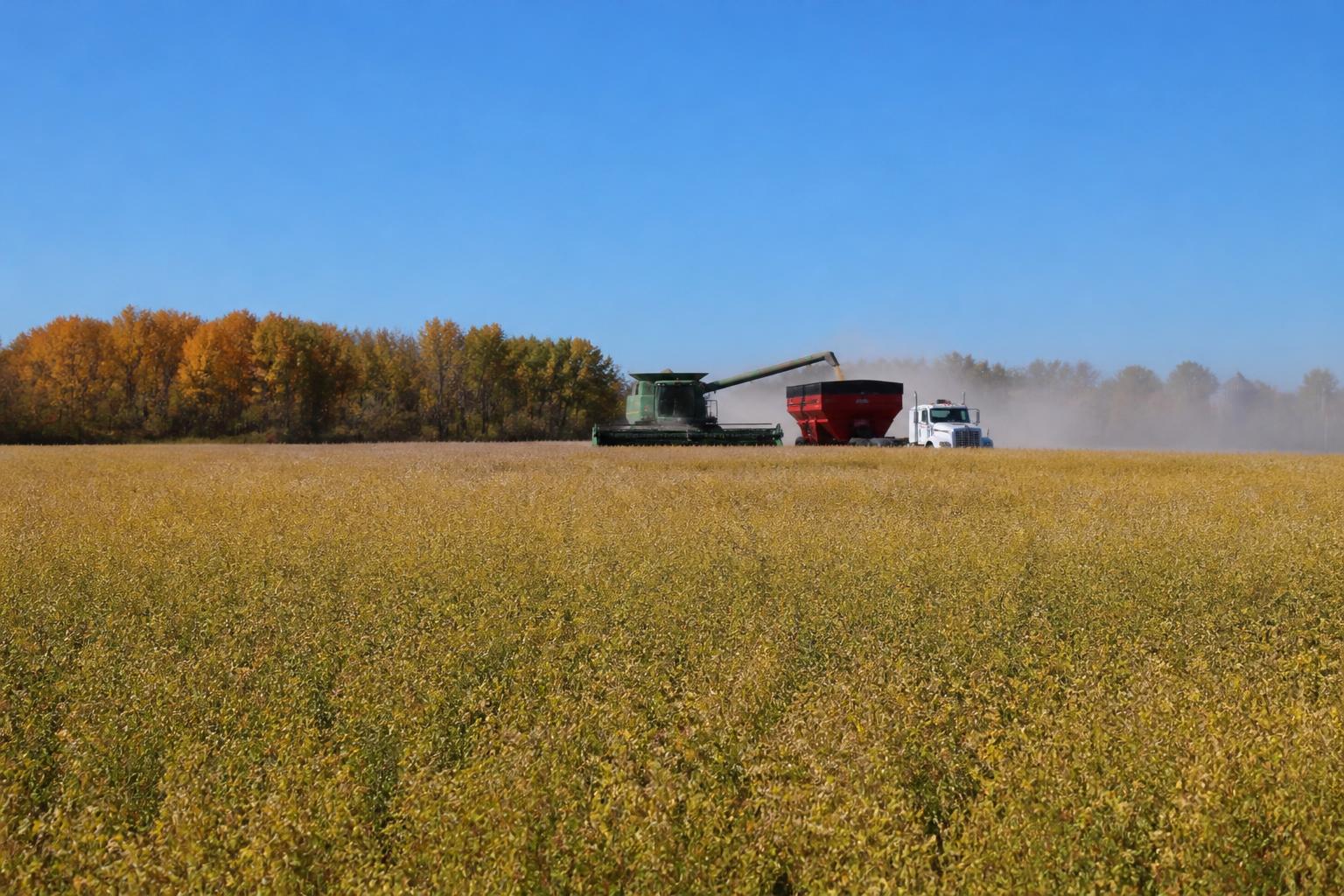
Market Dynamics in Oilseed Supply
As we move deeper into November, agricultural markets across the Northern Plains are experiencing varied basis levels for canola. For Massachusetts agribusinesses and those involved in regional input procurement, these fluctuations in the broader U.S. market often signal broader challenges in logistics and commodity pricing that can ripple down to the Northeast. Understanding these shifts is crucial for firms involved in assessing supply shifts and logistics as we prepare for the winter season.
Logistics and Seasonal Planning
In Massachusetts, the tail end of fall is a critical window for finalizing storage and transport logistics. With temperatures cooling, operators must account for the impact of weather-related road risks and the seasonal tightening of freight capacity. Managing these variables effectively requires close attention to national supply data, as unexpected volatility in western grain corridors often correlates with higher transport costs or supply delays for local elevators and feed handlers.
Key Takeaways for Agribusiness
- Monitor national canola basis reports for signs of broader regional supply pressure.
- Evaluate existing storage capacities as seasonal cold weather may impact handling efficiencies.
- Assess local logistics contracts early to avoid end-of-year transport bottlenecks.
What it means for the market
For Massachusetts market participants, the recent mixed performance in northern oilseed basis indicates a cautious environment. While local operations may not be directly tied to northern canola volumes, the general uncertainty in commodity markets underscores the need for agile procurement strategies. Maintaining flexible supply chains and staying informed on national inventory trends will remain the best defense against regional market volatility as we approach the final weeks of the year.
Comments
No comments yet - be the first to share your take.