
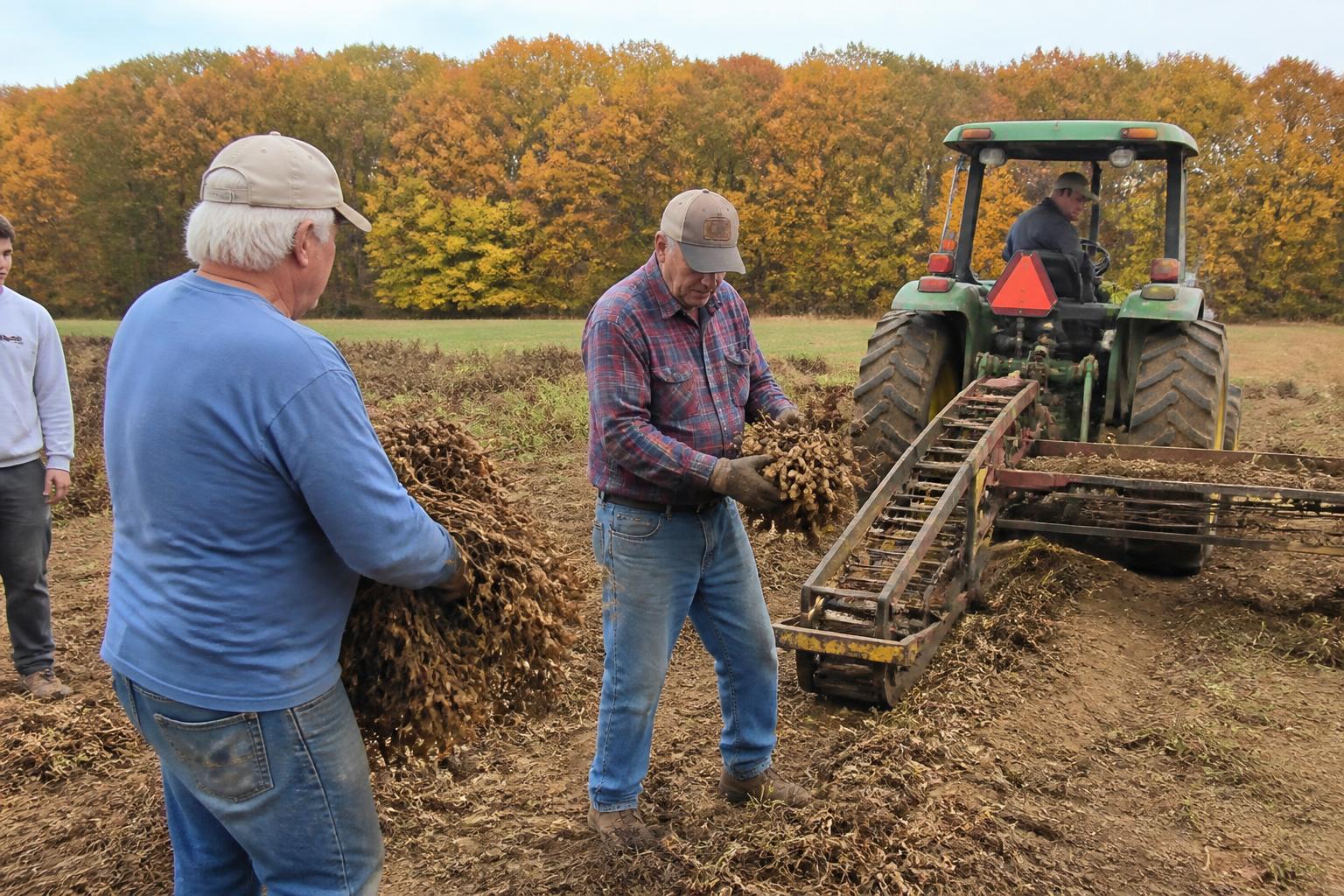
As the fall harvest season continues across Virginia, agricultural communities from the New River Valley to the coastal regions are balancing late-year operations with ongoing market pressures. For producers and grain handlers, this period is often marked by a focus on final yields and the necessary preparation for post-harvest storage and transport.
With harvest cycles winding down, regional attention has also turned toward resource allocation. Recent state-level initiatives, including specialty crop block grant funding, aim to support diverse production sectors, providing critical capital for infrastructure and market development. Growers are encouraged to review local logistics and export trends, as fluctuating demand in key agricultural corridors can significantly influence local storage decisions and elevator capacity as the year closes.
Pest Management and Operational Resilience
Integrated pest management remains a top priority as producers move into the late-fall window. The continued monitoring for invasive threats, such as the spotted lanternfly, requires constant vigilance during equipment movement and product transport. Implementing thorough cleaning protocols before moving machinery between fields or across county lines is essential to limiting the spread of pests that could compromise future seasonal output.
Input Planning and Market Outlook
While current operations focus on the harvest, many agribusinesses are already looking ahead to input procurement for the next cycle. Balancing the costs of essential inputs against potential commodity price volatility is a standard practice for many operations, particularly in the cow-calf and grain sectors. Staying informed on regional supply chain shifts can help handlers and farmers make proactive decisions regarding fertilizer and feed stocks before the winter surge in demand typically settles in.
Key Takeaways:
- Logistics: Monitor regional export throughput to anticipate any potential bottlenecks at grain elevators as seasonal volume peaks.
- Biosecurity: Maintain strict field-to-field sanitation to mitigate the risk of invasive species like the spotted lanternfly during the remainder of the autumn season.
- Grant Funding: Investigate state-supported specialty crop programs that may offer financial relief or expansion support for upcoming projects.
What it means for the market: For Virginia farmers and supply chain partners, the intersection of late-harvest logistics and forward-looking input planning is defining the current market landscape. By leveraging available grant resources and maintaining proactive biosecurity and transport management, agribusinesses can better position themselves to navigate the economic variables heading into the winter months.
Comments
No comments yet - be the first to share your take.