
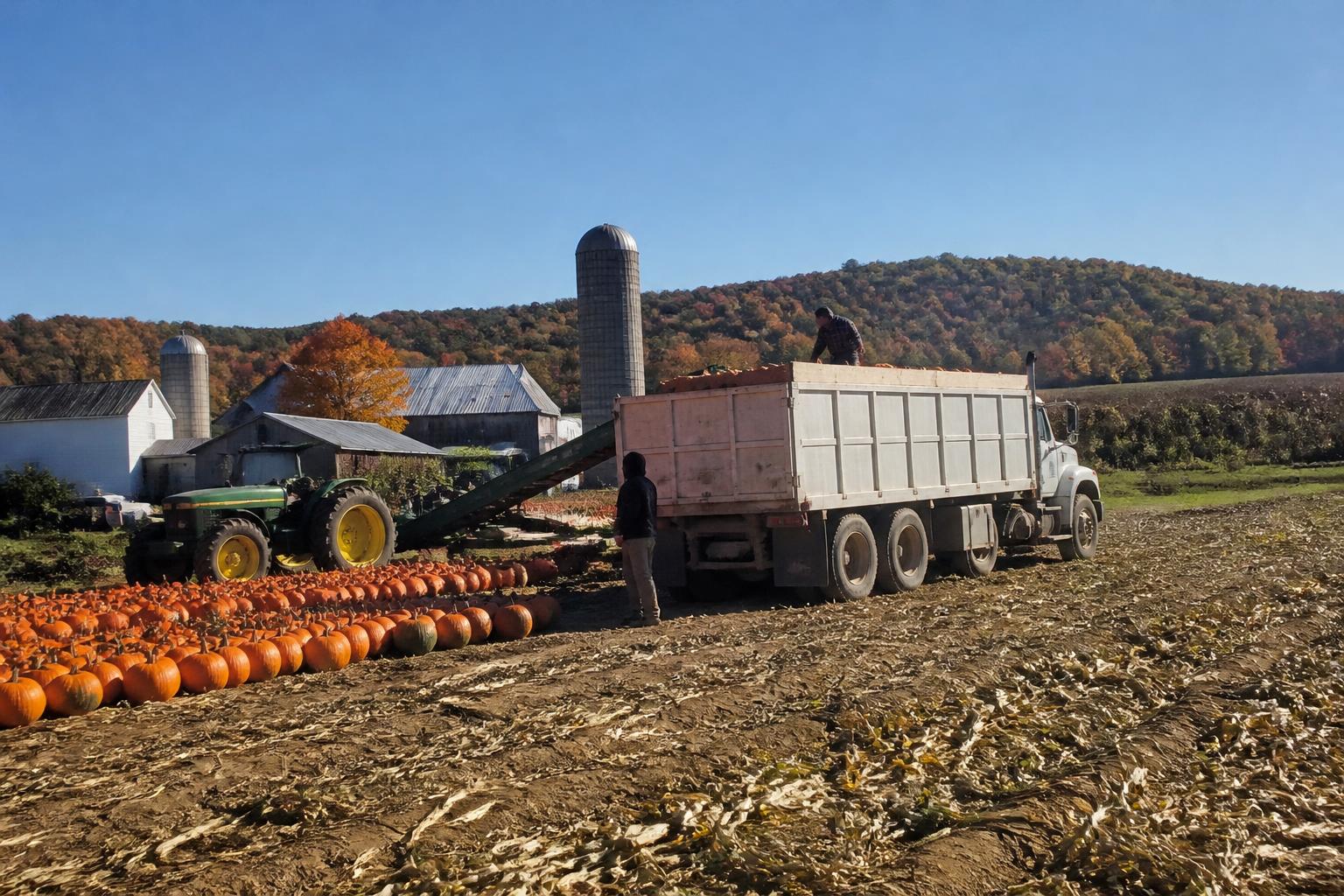
As Massachusetts producers navigate the final stages of the fall harvest, the interplay between regulatory developments and infrastructure stability has become a focal point for the regional agribusiness sector. Ensuring the seamless movement of goods across state lines remains a priority, especially when moving late-season harvests efficiently through key transport corridors.
Farmers should monitor how emerging legal frameworks regarding data privacy may influence operational practices. While these updates focus on digital security, the ripple effects can touch upon the precision technology and logistics management systems that many modern operations now rely on for day-to-day coordination.
Regulatory Impact on Ag Operations
Recent legislative shifts in Massachusetts have introduced new mandates concerning the handling and sale of precise location data. For growers and logistics operators, this may necessitate a review of how fleet management tools, GPS-integrated equipment, and third-party tracking services collect and store data. Ensuring compliance while maintaining data-driven efficiencies in fall operations is an evolving challenge for farm managers across the Commonwealth.
Securing Interstate Logistics
Interstate commerce remains the lifeblood of Massachusetts agriculture. Any threats to the flow of goods across state borders can exacerbate existing supply constraints. With the season nearing its conclusion, the focus shifts to maintaining reliable supply chains and ensuring that inputs for the upcoming cycle can reach their destinations without undue disruption. Staying informed on logistics and supply constraints is essential for minimizing risk in a sensitive market environment.
Key Takeaways
- Review digital data policies to ensure alignment with new state privacy standards.
- Monitor interstate transport corridors for potential bottlenecks as winter weather patterns begin to emerge.
- Prioritize clear communication with logistics partners to mitigate risks associated with regional commerce stability.
What it means for the market
For the Massachusetts agricultural sector, the current environment demands a blend of operational caution and technological readiness. While the harvest concludes, the focus must shift toward securing the administrative and physical infrastructure needed to keep local agribusinesses competitive in a volatile national marketplace.
Comments
No comments yet - be the first to share your take.