
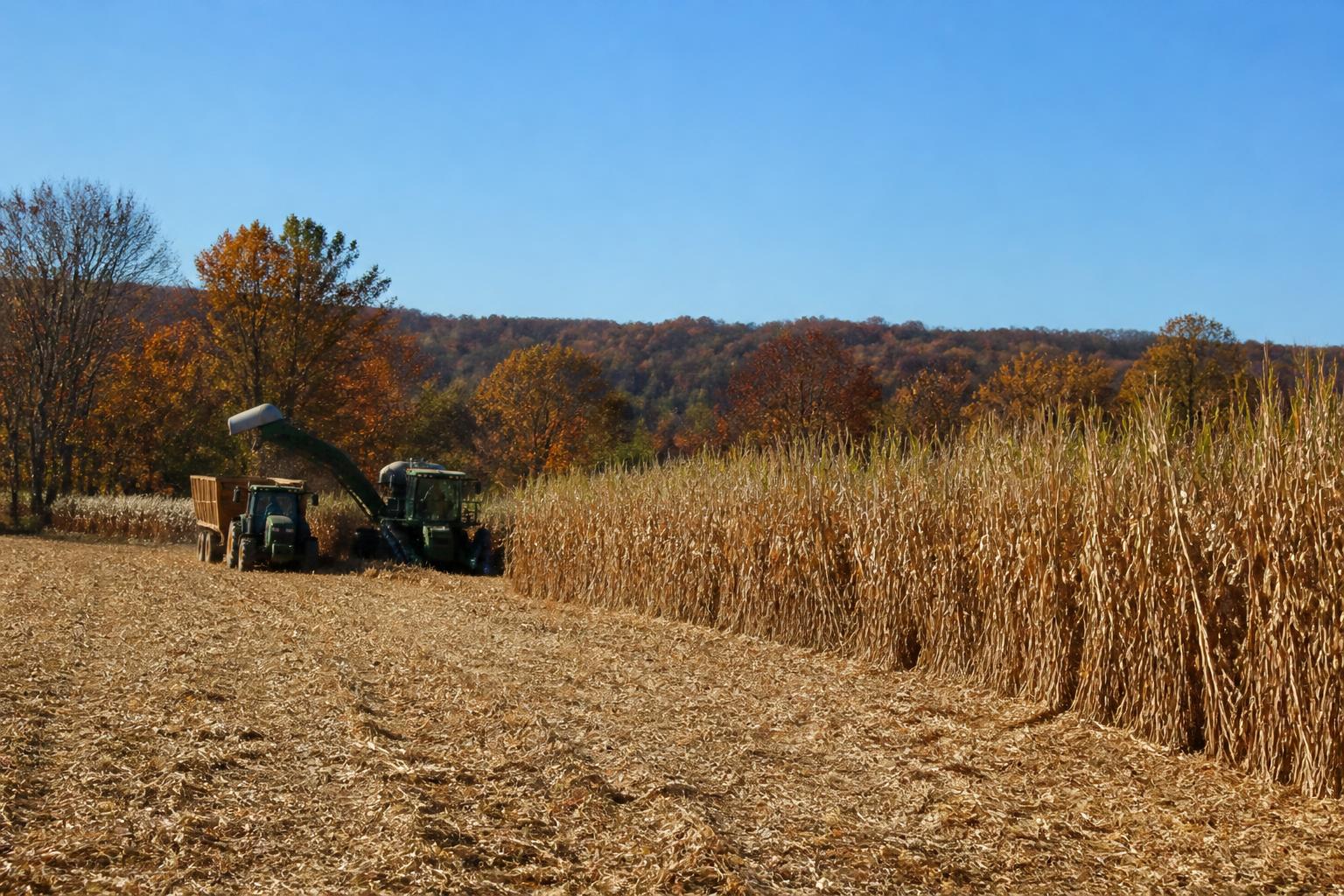
The Louisiana sugarcane harvest is currently in full swing, with producers across the state focusing on optimized extraction and efficient field management to capitalize on the fall window. As operations continue through the cooling autumn weather, maintaining a steady flow of cane to the mills is essential to ensuring high sucrose recovery rates.
For many growers in regions like the Bayou Teche or the river parishes, balancing heavy equipment movement with moisture-sensitive soil conditions is a daily challenge. Producers who focus on minimizing field losses during the loading process often see significant improvements in their final output. Practical approaches, such as regular harvester maintenance and monitoring row integrity, remain foundational to success during this busy period.
Refining Harvesting Efficiency
Maximizing yields starts with careful attention to field data and operational discipline. Many producers are finding that reviewing individual block performance allows for better decision-making when scheduling the harvest. By prioritizing blocks based on maturity and anticipated sugar content, growers can help mills optimize their processing schedules. For those looking to fine-tune their operations, staying informed on current Gulf export dynamics is also vital, as logistics and global demand influence the overall economic environment for Louisiana commodities.
Logistics and Field Infrastructure
In the current market, efficient transportation from field to facility is just as important as the harvest itself. Maintaining local haul routes and managing weight constraints in rural parishes can prevent costly bottlenecks. Growers often coordinate closely with local elevator and transport partners to ensure that labor and equipment are positioned where they are needed most. This coordinated effort is a cornerstone of the state's grain logistics network, which supports both sugar and row crop producers during the peak fall season.
Navigating Market Trends
While local harvest conditions dictate daily activity, broader market signals continue to inform long-term planning. Producers are encouraged to monitor fertilizer market trends and input costs, which play a major role in budget forecasting for the upcoming planting cycle. Staying proactive with input supply planning can help mitigate potential disruptions as the agricultural sector navigates shifting economic landscapes.
What it means for the market
For Louisiana agribusinesses and producers, the current focus is on maintaining harvest momentum. Efficient field management combined with a clear understanding of regional infrastructure needs will be the deciding factors in capturing maximum value this fall. As the season progresses, consistency in mill delivery and attention to crop quality will remain the primary drivers of profitability.
Comments
No comments yet - be the first to share your take.