
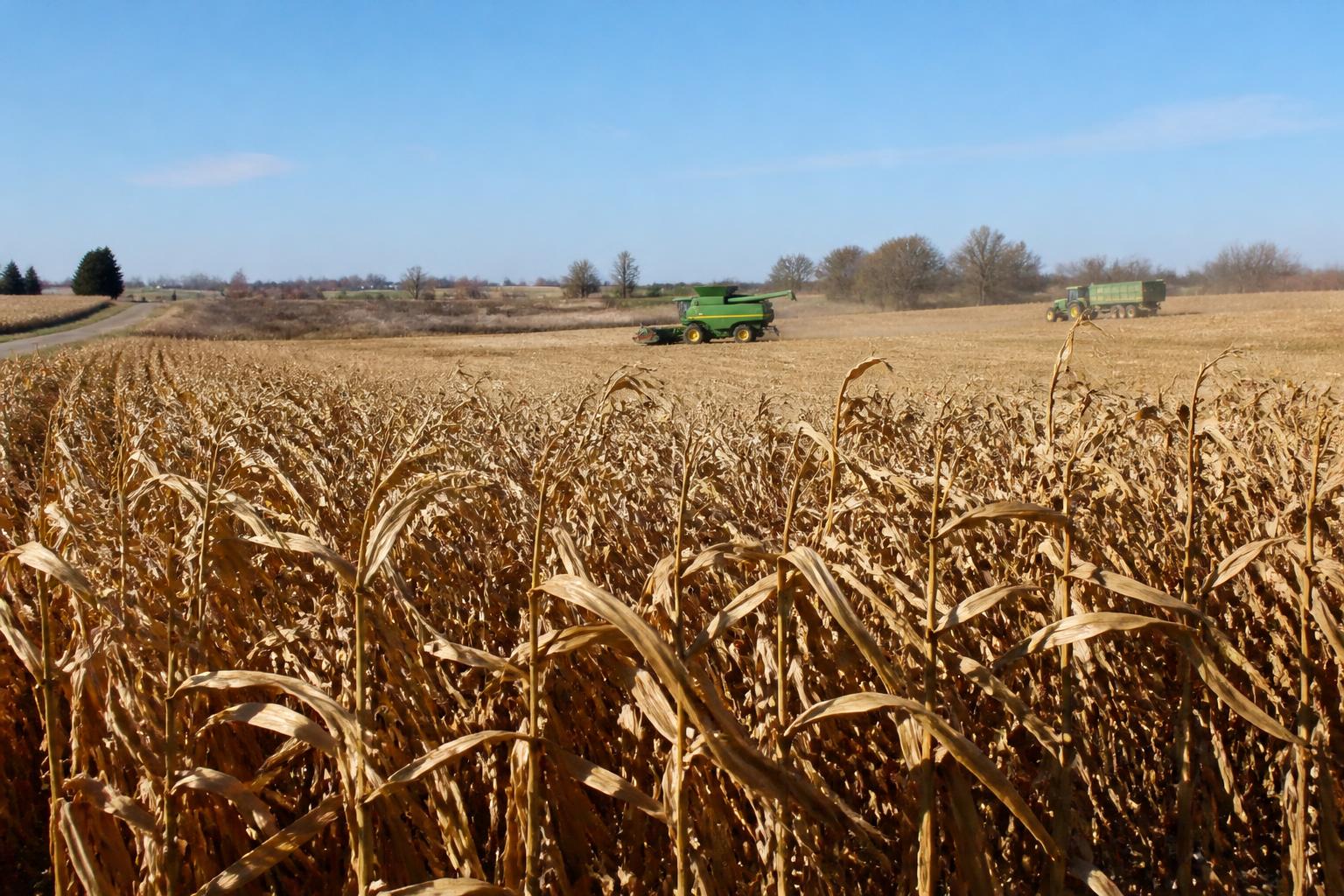
In the heart of the fall season, Louisiana agricultural producers continue to monitor the pulse of the export market. For local grain handlers and growers, the stability of Gulf export bids remains a focal point for regional logistics. While global market conditions fluctuate, recent activity at Louisiana ports suggests a steady environment for corn, soybean, and wheat basis levels.
Understanding these shifts is essential for managing local inventory and planning for future cycles. For those navigating recent price adjustments in the Louisiana grain market, keeping a close eye on transport capacity is as vital as tracking regional commodity prices.
Regulatory Pressures and Market Demand
Beyond local logistics, the broader agricultural community is paying close attention to national policy developments. Recent discussions surrounding state requests for renewable fuel waivers have surfaced, leading to concerns among biofuel groups regarding the potential impact on grain demand. Should these policies shift, they could create ripple effects for feedstocks that many Louisiana farmers rely on to maintain diversified operations.
These developments come at a time when producers are also balancing input costs and supply chain reliability. For more context on managing these variables, operators often look toward optimizing their procurement strategy, as highlighted in recent assessments of the regional fertilizer supply chain.
Operational Considerations for Fall
As the season progresses, agribusinesses in the region continue to adapt to changing environmental and logistical factors. While export infrastructure in the state generally remains robust, stakeholders are encouraged to stay informed on how federal policy and international demand interact with local grain movement from field to elevator.
What it means for the market: The current landscape in Louisiana reflects a cautious stability. Producers who maintain strong communication with their local elevators and stay apprised of national biofuel policy discussions will be better positioned to navigate potential shifts in grain demand and regional export competitiveness through the remainder of the year.
Comments
No comments yet - be the first to share your take.